





The Rise of the Conscious Traveller
The travel landscape in 2026 is being reshaped by a desire for more than just a pretty picture. An increasing number of travellers are seeking authentic experiences that are kind to the planet and beneficial to local communities. [8, 24] This shift is driven
by a growing awareness of tourism's environmental impact and a collective yearning for genuine connection and wellness. [25, 28] People want fresh air, cultural immersion, and the peace that only nature can provide. [7, 29] This trend, sometimes called 'sustainable tourism' or 'eco-tourism', focuses on conserving the natural environment, preserving local culture, and ensuring that the economic benefits of travel reach the people who live in these beautiful places. [24, 25] North India, with its vast, pristine landscapes, is perfectly positioned to meet this demand, offering escapes that rejuvenate the soul while respecting the destination.
Jibhi, Himachal Pradesh: The Riverside Hamlet
Tucked away in the Banjar Valley, Jibhi is the antithesis of a commercial hill station. [10] Often called a hidden gem, its charm lies in its simplicity and deep connection to nature. [19] Instead of large hotels, the area is dotted with traditional wooden homestays that allow for an intimate cultural experience. [10, 12] The village promotes a slower pace of life, where days are spent hiking to hidden waterfalls, walking through dense pine forests, and enjoying the tranquillity of the Tirthan River. [9] Its appeal lies in what it lacks: large crowds, commercialisation, and the noise of city life, making it a perfect retreat for those looking to unwind and connect with their surroundings. [16, 19]
Spiti Valley, Himachal Pradesh: A High-Altitude Sanctuary
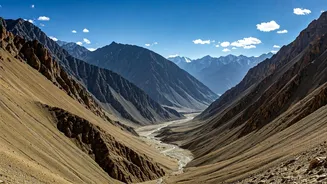
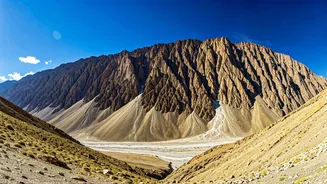
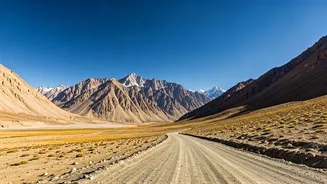
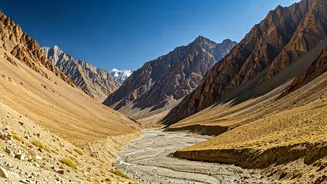
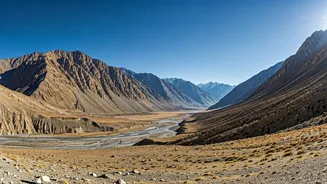
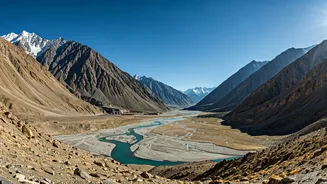
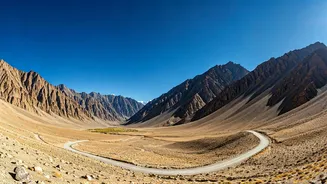
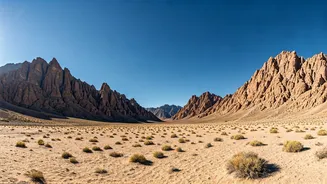
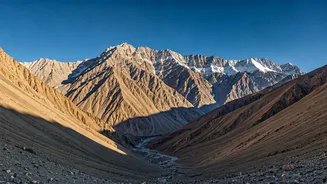
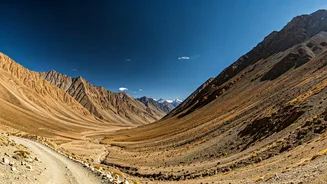
Spiti Valley is a cold desert mountain valley that offers a unique and dramatic landscape. In recent years, it has become a focal point for responsible eco-travel, largely thanks to organisations that work to link tourism with community livelihoods and conservation. [13, 15] This approach aims to create a tourism model that benefits travellers, the local community, and the fragile environment. [13, 20] Travellers to Spiti can stay in community-run homestays, embark on yak safaris, and explore ancient monasteries, all while contributing to the local economy. [13, 18] Initiatives here focus on everything from waste management to the promotion of renewable energy, making a trip to Spiti an experience in sustainable living. [13, 23]
Munsiyari, Uttarakhand: Gateway to Glacial Beauty
Known as the 'Place with Snow', Munsiyari is a fast-growing destination for mountaineers, trekkers, and nature lovers. [37] Located in the Kumaon Himalayas, it offers breathtaking views of the Panchachuli peaks. [21, 37] What sets Munsiyari apart is its community-driven approach to tourism, where visitors are encouraged to stay in homestays and experience life as a local. [21] This model of responsible tourism provides a learning experience for both visitors and villagers, fostering a deep sense of cultural exchange. [21] The focus here is on low-impact activities like trekking, bird watching, and exploring the dense forests of rhododendron and oak, ensuring the pristine beauty of the region is preserved. [30, 37]
Sethan, Himachal Pradesh: The Winter Wonderland
Just a short drive from the hustle of Manali lies Sethan, a small Buddhist village that offers a completely different world. [6, 14] Perched at a high altitude, this quiet hamlet is known for its pristine winter snowscapes and has gained fame as India's 'Igloo Village' due to the unique igloo stays available during winter. [6, 11] Sethan provides an authentic, serene alternative to more crowded tourist spots, appealing to travellers seeking peace and adventure. [11, 14] Beyond the winter, it serves as a base for stunning treks and camping, offering lush green meadows in the summer. [6, 17] Its limited accommodation, consisting mainly of homestays, helps maintain its tranquil, offbeat charm. [14]