


An Underground World Comes Alive
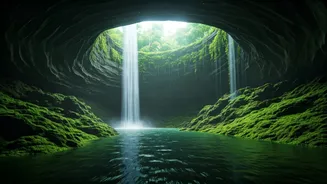
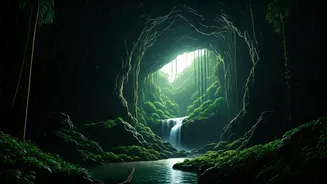
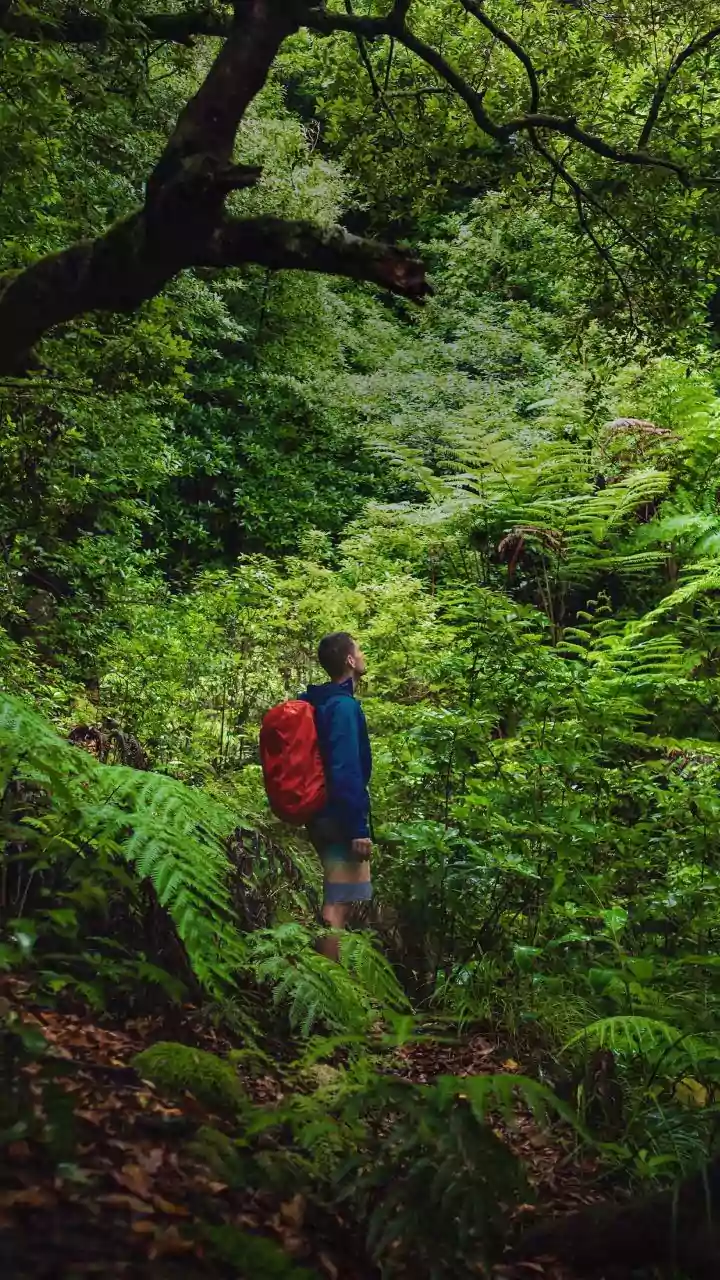
The common perception is that caves and rain don't mix. While this is true for many wild, undeveloped cave systems, the monsoon transforms accessible 'show caves' into vibrant ecosystems. The world outside is a canvas of lush, dripping greenery, making
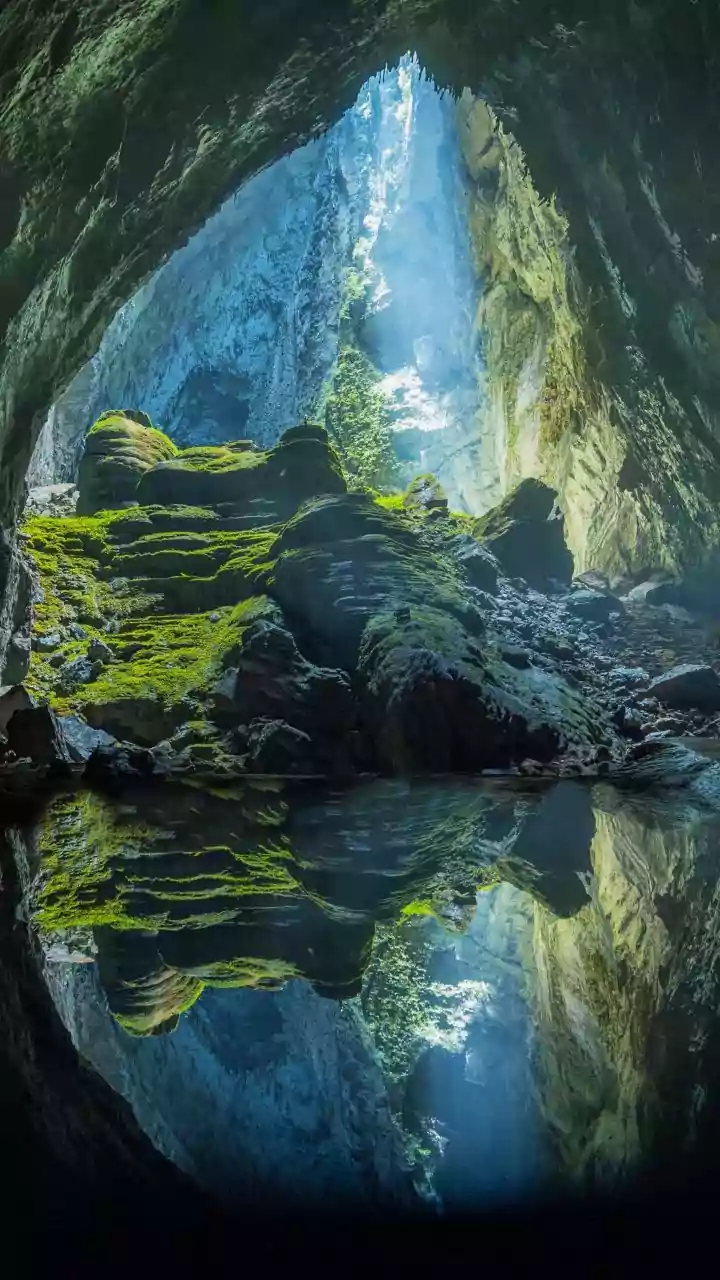
the journey to the cave entrance an adventure in itself. Inside, the season's humidity creates a cool, misty atmosphere that feels otherworldly. The gentle, rhythmic dripping of water seeping through ancient limestone, known as 'cave-kissing,' becomes a natural soundtrack. This is a time when the cave feels most alive, with the scent of damp earth and minerals filling the air, creating a stark, refreshing contrast to the downpour outside. It’s not just about seeing the cave; it’s about feeling, hearing, and smelling it in its most dynamic state.
Safety Is Not Optional
Let’s be clear: the magic of monsoon caving is entirely dependent on prioritising safety. The headline is an invitation, not a blanket permit to enter any hole in the ground. The biggest danger during this season is flash flooding, especially in riverine or vertically extensive cave systems. This is why you must stick to well-established, commercially managed 'show caves'. These are typically well-lit, have paved or maintained pathways, and are monitored by local guides who understand the water levels and risks. Never venture into a wild or unmonitored cave, especially during or after heavy rain. Always check the local weather forecast before you leave. If there are warnings for extreme rainfall, postpone your trip. Your adventure should be memorable for the right reasons.
The Right Gear For The Underworld
Dressing for a monsoon caving trip is about two things: grip and protection from water. The cave floors will be slippery, so a pair of shoes with excellent, deep-treaded rubber soles is non-negotiable. Avoid sandals or casual sneakers. A lightweight, quick-drying outfit is ideal. While it might be cool inside the cave, you'll likely work up a sweat walking. Carry a waterproof jacket for the journey to and from the cave. A headlamp is essential, even if the cave is advertised as 'lit'. Power cuts can happen, and having your own light source is a critical safety measure. Also, pack a small backpack with a water bottle, some energy bars, a basic first-aid kit, and a plastic bag to keep your phone and wallet dry.
Monsoon-Friendly Caves to Explore
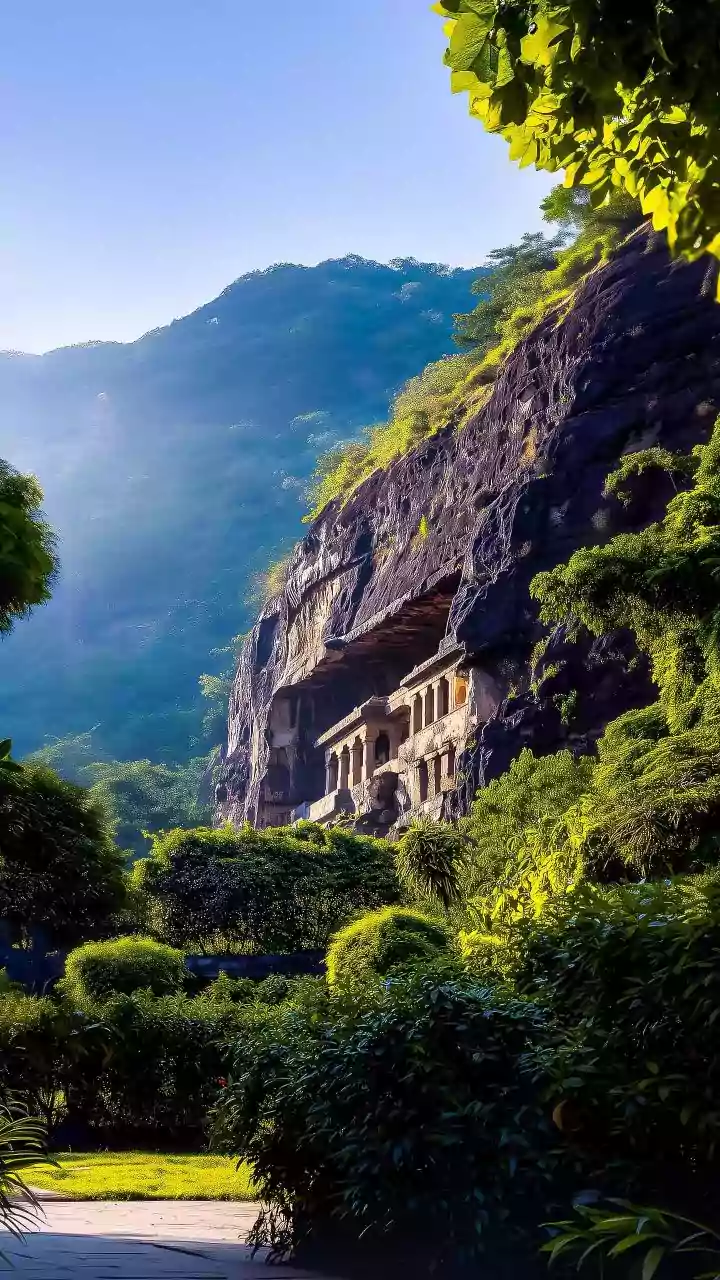
So, where can you safely experience this? Meghalaya, the 'abode of clouds', is India's caving epicentre. Mawsmai Cave, near Cherrapunji, is a perfect starting point. It's a well-lit limestone cave with a clearly demarcated tourist route that remains accessible and stunning during the monsoon. Similarly, Arwah Cave near Sohra offers a fascinating walk past fossils embedded in its walls. In Maharashtra, the ancient rock-cut Buddhist caves like Karla and Bhaja Caves near Lonavala are excellent monsoon destinations. As these are carved high into hillsides rather than being natural limestone formations deep underground, they don't face the same flooding risks. They offer breathtaking views of the green Western Ghats, combining history with natural beauty.
Know When to Say No
The key to enjoying this activity is knowing which caves to avoid. Steer clear of any cave system that is not an established tourist spot with guides and safety infrastructure. This includes most of the 'wild' caving systems in Meghalaya, which are reserved for professional spelunking expeditions with specialised gear and training. If a local tells you a particular path or cave is unsafe during the rains, listen to them. Their knowledge is invaluable. The goal is to explore, not to take unnecessary risks. The thrill of caving comes from discovering a hidden world, not from flirting with danger. Choosing the right location is the most important decision you will make.