







The New Digital Aisle
The rise of e-commerce and quick-commerce platforms has fundamentally altered how many Indians shop for groceries. For households with reliable internet and a smartphone, the local market is no longer the only option. These digital storefronts offer a previously
unimaginable variety of products, from organic vegetables and imported fruits to artisanal cheeses and specialty flours. This newfound access can lead to greater dietary diversity, allowing families to move beyond a limited range of staples. Information is the other key ingredient. A quick search can provide recipes, nutritional information, and cooking techniques for unfamiliar foods, empowering consumers to experiment and diversify their meals. For those with access, the internet is not just a source of information; it has become an extended pantry, bringing a world of food to their doorstep.
Reshaping the Household Budget
The impact on household spending is multifaceted. On one hand, the convenience of online grocery shopping often comes with a focus on value and affordability, with platforms competing on price. This can lead to savings for discerning consumers who can compare prices across different vendors without leaving their homes. On the other hand, the sheer variety and the allure of new products can encourage increased spending. Recent data indicates that digital consumption is expanding rapidly, although it is driven more by non-food categories. Interestingly, studies suggest convenience is often a bigger driver for online grocery shopping than price alone. This shift means households are not just buying food, but also buying back time, a valuable commodity in increasingly busy urban lives. As digital payment systems become more common, tracking and managing food expenditure can also become easier for the digitally literate.
The Other Side of the Divide
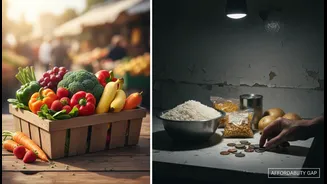
For every household benefiting from this digital bounty, many others are left behind, deepening existing inequalities. A stark digital divide persists between India's urban and rural areas. A 2022 report noted that only 31 percent of the rural population used the internet compared to 67 percent in urban areas. This disparity in access creates two different realities. While one segment of the population enjoys greater dietary diversity, those without digital access remain dependent on local markets and the Public Distribution System (PDS), which can have limitations in variety and nutritional quality. This digital exclusion can exacerbate food insecurity and nutritional deficiencies, particularly for women and marginalized communities who already face barriers to digital literacy and device ownership. Even well-intentioned digital systems, like Aadhaar-linked PDS, have sometimes created hurdles for the most vulnerable due to issues with connectivity and authentication, effectively blocking access to essential food entitlements.
More Than a Connection
Ultimately, the story of internet access and Indian diets shows that digital infrastructure is never just about technology; it's about social and economic equity. The ability to go online is becoming intertwined with the ability to access better nutrition, manage household finances, and participate fully in a changing society. Recent data from NCAER highlights that while internet connectivity is widespread, its use for essential services like education or e-governance remains low compared to entertainment. This suggests that access alone isn't enough. For the benefits of the digital economy to be shared more broadly, efforts must focus on improving digital literacy, ensuring affordability, and creating content and services that are relevant to the diverse needs of the entire population. The connection between a smartphone and a dinner plate is a powerful indicator of India’s evolving socio-economic landscape.