






Understanding Pranayama
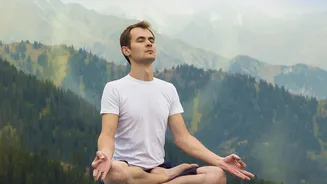
Pranayama is an ancient practice originating from yoga, but you don't need to be a yogi to benefit from it. The word comes from Sanskrit, with 'prana' meaning life force energy and 'ayama' meaning control or extension. So, Pranayama is the practice of
consciously regulating your breath. It goes beyond simple deep breathing; it involves specific techniques of inhaling, exhaling, and holding the breath to influence your physical, mental, and emotional state. The core idea is that by controlling the breath, you can connect the body and mind, calm the nervous system, and improve overall health.
The Power of Breath and Movement
Integrating Pranayama with physical activity can transform your workouts. Conscious breathing enhances oxygen supply to your muscles, which can improve endurance and performance. During a run or weightlifting session, focusing on a steady, rhythmic breath can help you maintain pace and power. For less intense movements like stretching or yoga, techniques like Ujjayi (or "Victorious Breath") create internal heat and help link your breath to each movement, fostering a state of moving meditation. This synergy not only improves physical outcomes but also increases mindfulness, turning your exercise into a more holistic and less stressful experience.
Breathing Your Way to Better Sleep
If you struggle to unwind at night, Pranayama could be a game-changer. Many of us live in a state of chronic stress, which keeps our 'fight or flight' nervous system activated. Certain breathing techniques directly trigger the 'rest and digest' response (the parasympathetic nervous system), telling your body it's safe to relax. Practices like Bhramari (or "Humming Bee Breath"), where you make a soft humming sound on the exhale, have been shown to calm racing thoughts. Another effective technique is the 4-7-8 breath, which involves a long, controlled exhale that can slow the heart rate and prepare you for a restful night. Studies suggest regular practice can improve sleep quality, even for those with conditions like sleep apnea.
The Link Between Breath and Diet
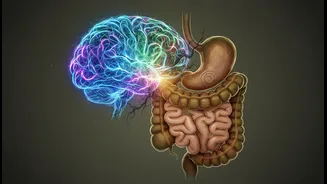
The connection between Pranayama and diet is more subtle but equally important, centering on mindfulness and digestion. Practicing a few rounds of calming breathwork before a meal can shift you out of a stressed state, which is crucial for healthy digestion. When you're stressed, your body diverts blood away from the digestive system. By consciously breathing, you signal your body to relax, which can improve nutrient absorption and reduce issues like bloating. Furthermore, the act of focused breathing cultivates a sense of presence and self-awareness. This mindfulness can extend to your eating habits, helping you make more conscious food choices and better recognize your body's hunger and fullness cues.
How to Get Started with Pranayama
Getting started is simple and doesn't require any special equipment. One of the most accessible techniques is Nadi Shodhana, or Alternate Nostril Breathing. Sit comfortably, close your right nostril with your thumb, and inhale slowly through your left. Then, close your left nostril with your ring finger, release your thumb, and exhale through the right. Inhale through the right, then switch to exhale through the left. That's one round. Even five minutes of this practice can help balance your energy and calm your mind. Another easy starting point is simple diaphragmatic or 'belly' breathing, focusing on expanding your abdomen as you inhale. Consistency is more important than duration; a few minutes each day is a perfect start.