





What Is Iodine and Why Is It Important?
Iodine is a trace mineral that is essential for human health, but our bodies cannot produce it. We must get it from our diet. Its most critical job is to help the thyroid gland produce hormones, primarily thyroxine (T4) and triiodothyronine (T3). These
hormones regulate some of the body's most important functions, including metabolism, which is how your body converts food into energy. They also play a crucial role in brain and bone development, particularly during pregnancy and infancy. Without sufficient iodine, the thyroid cannot function properly, which can lead to a cascade of health issues. In short, while you only need small amounts, iodine's impact on your overall health is enormous.
How Much Iodine Do I Need Daily?
The recommended dietary allowance (RDA) for iodine varies by age and life stage. For most adults, the recommendation is 150 micrograms (mcg) per day. However, needs increase significantly during pregnancy and breastfeeding. Pregnant women are advised to get 220 mcg per day, while lactating women need around 290 mcg daily to support their baby's brain development. Children have lower requirements, typically ranging from 90 to 120 mcg depending on their age. While getting enough is crucial, it's also important not to overdo it. The tolerable upper intake level (UL) for adults is 1,100 mcg per day. Consuming amounts far beyond this, usually from high-dose supplements, can also cause thyroid problems.
What Are the Best Food Sources of Iodine?
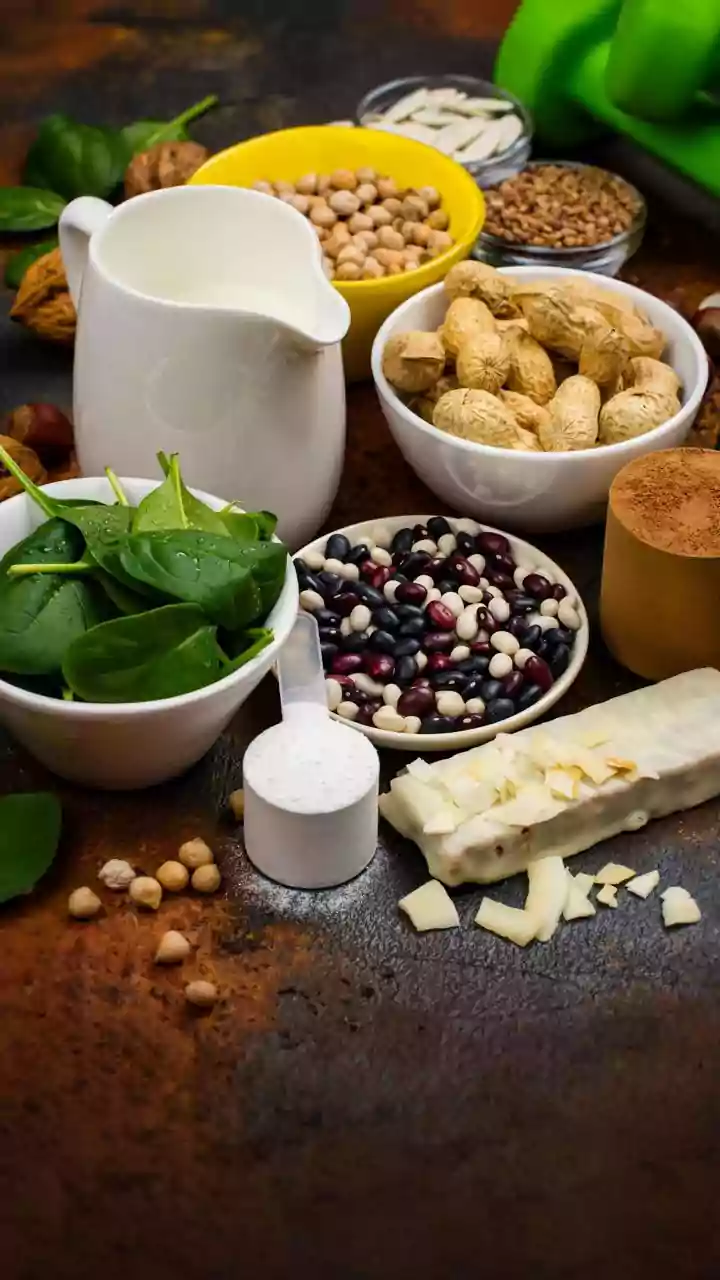
Iodine is found naturally in a variety of foods, particularly those from the sea. Excellent sources include seafood like cod and shrimp, and sea vegetables like kelp, nori, and wakame. Dairy products such as milk, yogurt, and cheese are also good sources, as are eggs. In many countries, including India, iodine is added to table salt in a public health initiative to prevent deficiency. This 'iodized salt' remains one of the most reliable and accessible sources for many people. Since the amount of iodine in soil varies by region, the content in fruits and vegetables can be inconsistent, making these other sources more dependable.
What Are the Signs of Iodine Deficiency?
When your body doesn't get enough iodine, the thyroid gland can't produce enough hormones, a condition known as hypothyroidism. One of the most visible signs is a goiter, which is a swelling of the thyroid gland in the neck. Other common symptoms are often subtle and can be mistaken for other conditions. These include unexplained weight gain, fatigue and weakness, thinning hair, dry skin, feeling colder than usual, and impaired mental function or 'brain fog'. In women, it can lead to heavy or irregular periods. Since these symptoms can have many causes, it's important to see a healthcare provider for a proper diagnosis.
Can You Have Too Much Iodine?
Yes, it is possible to consume too much iodine, though it's less common than deficiency and usually happens from taking high-dose supplements rather than from food. Paradoxically, excessive iodine intake can lead to some of the same problems as deficiency, including goiter and hypothyroidism. In some cases, it can cause the thyroid to become overactive, a condition called hyperthyroidism. Symptoms of acute iodine toxicity might include a brassy taste in the mouth, nausea, and vomiting. Sticking to dietary sources and avoiding mega-doses of supplements is the safest approach unless advised otherwise by a doctor.
What About Iodized Salt?
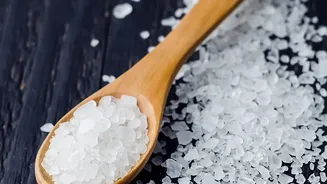
Iodized salt has been a major public health success story in India and around the world, drastically reducing rates of goiter and other iodine deficiency disorders (IDD). Salt is an ideal vehicle because it's consumed by nearly everyone at consistent levels. However, with the rising popularity of specialty salts like sea salt and Himalayan pink salt, which often do not contain added iodine, some people may be unknowingly reducing their intake. While iodized salt is a simple and effective way to meet your iodine needs, it's not the only way. The key is to be mindful of your total diet and ensure you're getting iodine from a mix of sources, especially if you avoid or limit iodized salt.