


The Soul of the Konkan Coast
Konkani cuisine is a direct reflection of its geography—a narrow coastal strip defined by the Arabian Sea and the Western Ghats. This unique landscape yields a bounty of ingredients that shape its food, including rice, seasonal vegetables, jackfruit,
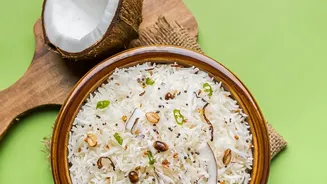
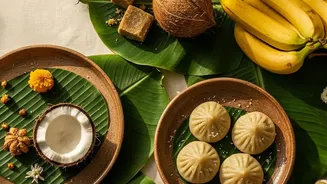
and tangy kokum. But at the heart of it all is the coconut. Revered as the 'KalpaVriksha' or 'Universal Provider', the coconut is woven into the fabric of daily life and cooking. Its omnipresence in the cuisine is not just a matter of taste but a principle of using what the land provides, making it a sustainable and deeply local food culture.
More Than Just an Ingredient
In the Konkani kitchen, coconut is not a single-note ingredient; it is a versatile foundation. It appears in myriad forms: freshly grated coconut provides texture and sweetness to vegetable stir-fries (upkaris), coconut milk forms the creamy, dairy-free base of curries (ghashis), and coconut oil is used for tempering and frying. Even roasted coconut is ground into pastes called 'vatan' that serve as the flavour backbone for many gravies. This adaptability allows it to structure entire dishes, balancing spices and creating layers of flavour without the heaviness of dairy, a defining feature of coastal cooking. Beyond the kitchen, the coconut holds auspicious value in Hindu culture, symbolising prosperity and used in rituals and offerings.
The Philosophy of Flavour
Konkani vegetarian cooking, especially within the Gaud Saraswat Brahmin (GSB) community, follows a philosophy of balance. Flavours are clean yet complex, often built on a trinity of coconut, fiery red chillies, and a souring agent. Instead of the more common tamarind, Konkani cuisine often relies on kokum, a dried mangosteen that imparts a unique, bright tartness without overpowering the other ingredients. Many traditional preparations adhere to sattvic principles, omitting onion and garlic while using asafoetida (hing) for its savoury depth. This results in dishes that are both flavourful and easy to digest, showcasing the natural taste of the vegetables.
Timeless Dishes for a Modern Table
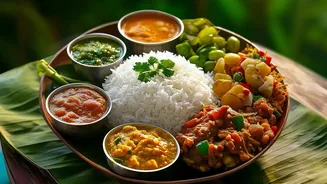
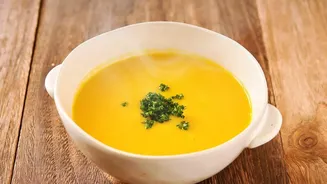
The beauty of Konkani heritage recipes lies in their simplicity and accessibility. 'Valval' is a perfect example—a comforting mixed vegetable stew gently simmered in coconut milk with minimal spices, allowing the sweetness of the vegetables and coconut to shine. Another staple is 'Daali Ambat' or 'Dalithoy', a simple lentil curry often prepared with a ground coconut masala base. For a quick and flavourful side, a 'Tendli Talasani'—ivy gourd stir-fried with simple tempering—is a common household dish. Perhaps the most iconic Konkani beverage is 'Solkadhi', a refreshing pink-hued drink made from coconut milk and kokum, often served as a digestif to cool the palate. These dishes use readily available ingredients and straightforward techniques, making them a perfect fit for today's busy kitchens.