


The Obvious Health Advantage
Let's get the most apparent point out of the way first. Baked samosas are undeniably healthier. Deep-frying involves submerging the pastry in hot oil, which it inevitably soaks up. This dramatically increases the calorie and fat content. By baking, you're
using little to no oil on the exterior, letting the ingredients inside speak for themselves. You can enjoy two or three baked samosas for the caloric price of a single fried one. This isn't about dieting; it's about being able to indulge more often and more freely. For anyone mindful of their oil consumption or looking for a lighter snack that doesn't sit heavily in the stomach, baking is the clear winner. It transforms the samosa from a once-in-a-while treat to a more regular delight.
But What About the Crunch?
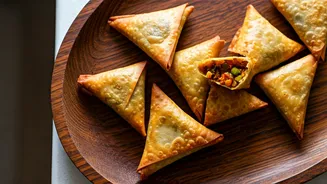
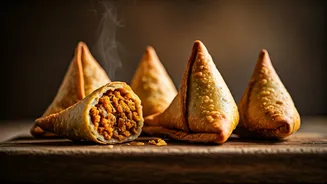
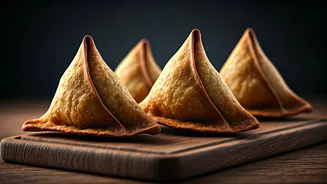
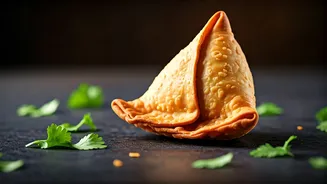
This is the biggest question and the most common point of resistance. Can a baked samosa truly replicate that signature, shatteringly crisp texture of its fried counterpart? The answer is a resounding yes, with a little technique. The crunch of a fried samosa comes from the rapid dehydration of the outer layer of dough when it hits hot oil. We can achieve a similar, albeit slightly different, crispiness in the oven. The secret lies in the dough and the oven temperature. Using a dough with sufficient fat (like ghee or butter) is crucial. Brushing the samosas with a little oil or milk before baking helps them brown beautifully and develop a flaky, crisp crust. While it may not be the exact same texture—it's more of a flaky, pastry-like crunch than a hard shell—it is incredibly satisfying in its own right. Many find they prefer it, as the flavour of the filling isn't masked by a layer of oil.
The Underrated Convenience Factor
Here's where baked samosas truly pull ahead, especially for home cooks. Deep-frying is a messy, hands-on process. You have to stand over a pot of bubbling, splattering oil, carefully turning each samosa. Then there’s the question of what to do with all that used oil. Baking, on the other hand, is a far more relaxed affair. Once you've assembled your samosas, you simply arrange them on a baking sheet, pop them in the oven, and set a timer. You're free to prepare chutney, make chai, or chat with guests. It’s also vastly superior for making large batches. You can bake two dozen samosas in the same time it takes to fry six or eight. There's less mess, less smell, and less active work involved, making it the perfect choice for parties and family gatherings.
Achieving Baking Perfection
Ready to be converted? Keep these tips in mind for a flawless batch of baked samosas. First, ensure your filling isn't too wet, as excess moisture will create steam and make the pastry soggy. Let your filling cool completely before you begin shaping. Second, don't be shy with the fat in your dough; this is essential for a tender, flaky crust. Third, for that golden-brown finish, a simple wash is your best friend. A brush of milk creates a lovely colour, while a beaten egg wash will give you a deeper brown and a nice sheen. Finally, bake at a relatively high temperature (around 200°C or 400°F). This helps the pastry puff up and become crisp quickly before the filling has a chance to make it damp. Follow these rules, and you'll be rewarded with samosas that are golden, crisp, and utterly delicious.