







The Convenience Trap of Automation
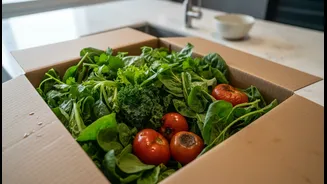
Healthy meal subscriptions have surged in popularity across India, offering a solution to the daily question of 'what to cook?'. The business model is built on convenience; you set your preferences, and a box of pre-portioned ingredients or ready-to-eat
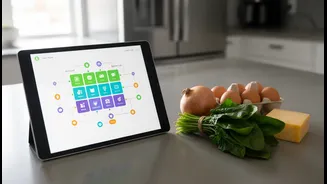
meals arrives like clockwork. This 'set it and forget it' approach is the main attraction, but it's also a significant financial pitfall. The automated nature of recurring billing means payments happen in the background. While this is seamless, it makes it easy to lose track of spending. A weekly charge might seem manageable, but these costs accumulate, and if you're not consuming every meal, you are effectively paying for nothing. This convenience can mask a steady financial drain, turning a helpful service into an unnecessary expense.
The Real Cost of a Wasted Meal
When a meal kit delivery goes unused, it's not just a missed dinner; it's a direct financial loss. Unlike grocery shopping, where leftover vegetables might be used in another dish, a missed meal kit often means the entire package is wasted. Each time you discard an unused meal, you are throwing away the money spent on the pre-portioned ingredients, the preparation, and the delivery. Studies have shown that while meal kits can potentially reduce overall household food waste by providing exact portions, this benefit is completely negated if the entire kit is ignored. Spontaneous dinner plans, travel, or simply not feeling like cooking can all lead to a perfectly good meal box sitting untouched. The cost isn't just the price of the box; it's the premium paid for a convenience that was never used.
Mastering the 'Skip a Week' Feature
Virtually all meal subscription services offer the flexibility to pause or skip deliveries. This feature is your most powerful tool for controlling costs and preventing waste. However, using it effectively requires proactivity. Most companies have a strict cut-off deadline, typically several days before the scheduled delivery, by which you must make changes. Missing this window means you will be charged and the delivery will be sent, regardless of whether you need it. To avoid this, get into the habit of reviewing your schedule weekly. Check for any upcoming travel, dinner invitations, or days when you know you'll be eating out. Set a recurring reminder on your phone for a day or two before the company's cut-off to decide whether you need the next delivery. A few minutes of planning can save you the entire cost of a week's subscription.
Strategies for Smarter Subscription Management
Beyond simply skipping, there are other ways to ensure you get value from your subscription. First, be realistic about your needs. If you find yourself consistently skipping weeks or throwing out meals, consider switching to a smaller plan with fewer meals per week. You can always supplement with other food. Another strategy is to avoid long-term commitments until you understand your usage patterns. Many services offer trial periods or smaller introductory packages. Also, check the flexibility of the plan; some allow you to pause for an extended period, which is ideal for longer holidays or busy work seasons. Don't treat your meal subscription like a utility bill. Instead, view it as an active choice you make each week. This mindset shift is crucial for preventing the automated convenience from turning into a source of waste and financial regret.
Are They Still Worth It?
Despite the potential for waste, healthy meal subscriptions can still be a valuable tool for busy individuals and families in India. They offer variety, nutritional control, and save significant time on meal planning and grocery shopping. The key is active management. When used thoughtfully, these services can be more cost-effective than ordering from food aggregators, which often include numerous hidden fees. The value proposition holds up, but only if you treat the subscription as a flexible resource rather than a rigid contract. The service works for you only when you actively manage your skips, align the deliveries with your actual schedule, and choose a plan that reflects your real-life eating habits. Without this oversight, you risk paying a premium for convenience you don't actually use.