



For centuries, Indian kitchens have harnessed the power of fermentation, creating dishes that are not only delicious but also brimming with health benefits. Modern science now shows how these traditional foods support gut health, immunity, and more.
The Ancient Magic of Fermentation
Fermentation
is a natural process where microorganisms like bacteria and yeast break down sugars and starches in food. This transformation does more than just preserve food and create tangy, complex flavours; it unlocks a wealth of health benefits. The process pre-digests complex compounds, making foods easier for our bodies to absorb and use. It also increases the bioavailability of essential nutrients like B vitamins, iron, and calcium, meaning your body can absorb them more effectively. In essence, fermentation turns a simple meal into a nutritional powerhouse, a practice deeply embedded in Indian culinary wisdom long before terms like 'probiotics' became mainstream.
A Gut Feeling: The Probiotic Powerhouse
Your gut is home to trillions of microorganisms, collectively known as the microbiome, which are crucial for overall health. Fermented foods are rich in probiotics, which are the 'good' live bacteria that help maintain a healthy balance in your gut. These beneficial microbes help crowd out harmful bacteria, creating an environment where your digestive system can thrive. A balanced gut microbiome is essential for smooth digestion, reduced bloating, and regular bowel movements. By regularly consuming fermented dishes, you are continuously replenishing these friendly bacteria, fortifying your body's first line of digestive defence.
Strengthening Immunity from Within
A significant portion of your immune system—around 70%—resides in your gut. This makes the health of your gut microbiome fundamentally linked to your body's ability to fend off illness. The probiotics and other beneficial compounds produced during fermentation, known as postbiotics, interact directly with your immune cells. This communication helps regulate your immune response, reducing chronic inflammation, which is linked to various diseases. Studies have shown that a diet rich in fermented foods can lower inflammatory markers in the blood, effectively strengthening your natural defences.
Fueling an Efficient Metabolism
The connection between gut health and metabolism is becoming increasingly clear. A balanced gut microbiome helps regulate how your body stores fat, balances blood sugar levels, and expends energy. Dysbiosis, or an imbalance of gut microbes, can lead to issues like insulin resistance and inflammation, which can slow down metabolic function. Fermented foods can play a supportive role by promoting a diverse and healthy gut environment. The short-chain fatty acids produced by gut bacteria when they ferment dietary fibre are particularly important, providing energy to colon cells and contributing to overall metabolic balance.
India's Fermented Superfoods
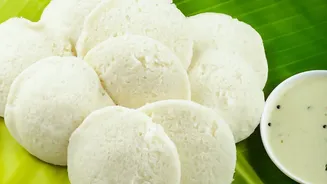
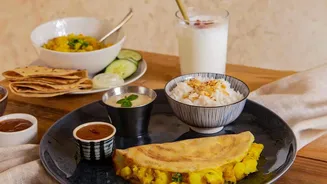
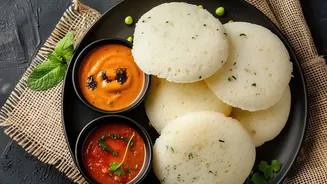
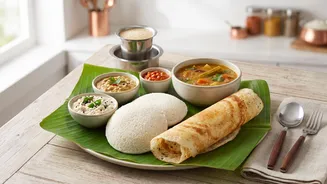
Indian cuisine offers a delicious variety of fermented foods. Idli and Dosa, staples in South India, are made from a fermented batter of rice and urad dal, making them light, easy to digest, and rich in probiotics. Dhokla, a spongy snack from Gujarat, is made from fermented gram flour, offering both probiotics and protein. Kanji, a tangy North Indian drink made from fermented carrots or beets, is packed with antioxidants and beneficial bacteria. Even humble homemade curd (dahi) and the fermented rice water known as Panta Bhat or Pazhaya Sadam are potent sources of probiotics that support digestion and cool the body.