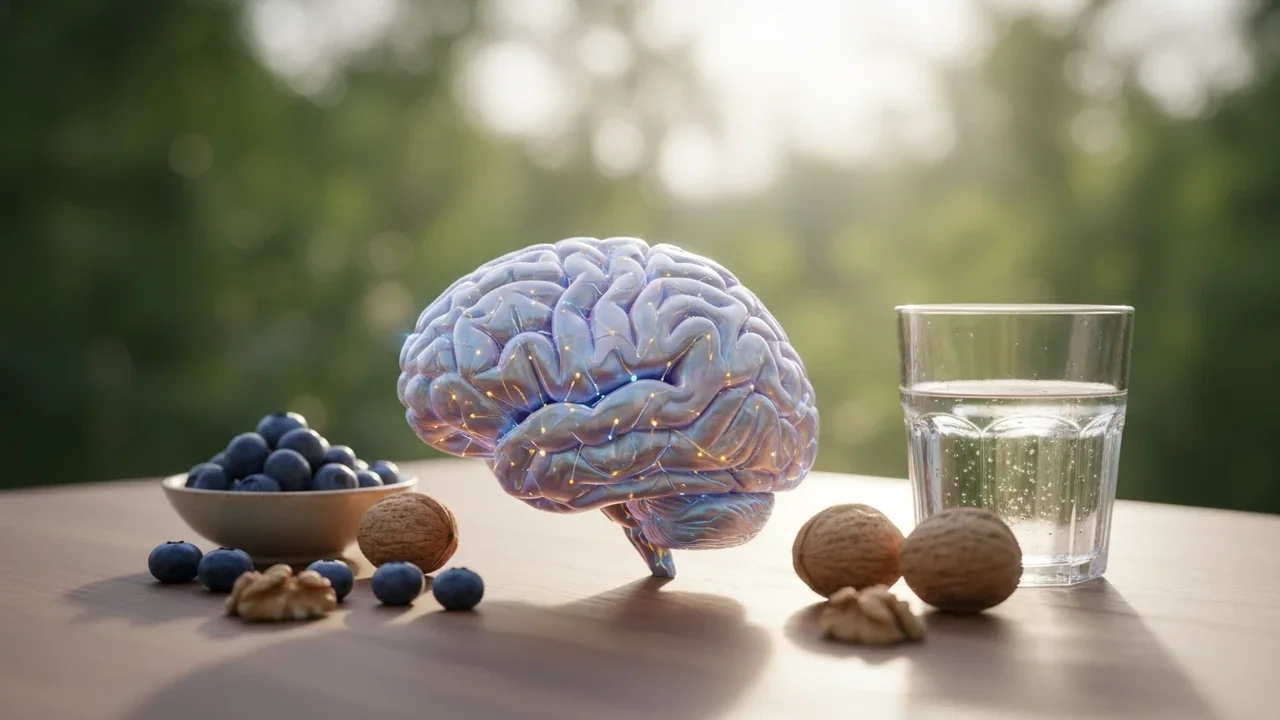







For decades, many believed that brain health was largely a matter of genetic luck. But a growing body of research reveals a more empowering truth: our daily choices play a massive role in keeping our minds sharp, resilient, and healthy for years to come.
Fueling Your Brain
What's good for the heart is good for the brain. Research consistently shows that diets rich in whole foods are linked to better cognitive function and a lower risk of age-related decline. Think of it as providing your brain with the premium fuel it needs to operate. Nutrients like omega-3 fatty acids, found in fatty fish, walnuts, and flaxseeds, are vital for memory and learning. Antioxidants, abundant in colorful fruits and vegetables like berries and leafy greens, help protect brain cells from damage and inflammation. On the flip side, diets high in processed foods, sugar, and unhealthy fats have been shown to impair memory and even contribute to brain inflammation. Making small, sustainable changes—like adding a side of vegetables, snacking on nuts, or choosing whole grains over refined ones—can make a significant difference over time.
Move Your Body, Boost Your Mind
Physical activity is one of the most powerful tools for maintaining a healthy brain. Exercise increases blood flow, delivering more oxygen and nutrients to brain cells. It also stimulates the release of factors that support the growth of new neurons and connections, a process known as neuroplasticity. Studies show that regular physical activity can improve memory, reasoning, and reaction time, and may even help prevent or delay cognitive decline. You don’t need to run a marathon to reap the benefits. The goal is consistency. Aiming for about 150 minutes of moderate-intensity activity per week—like brisk walking, swimming, dancing, or even gardening—can have a profound impact. The key is to find an activity you enjoy so it becomes a sustainable part of your routine.
The Importance of Restorative Sleep
Sleep is not a luxury; it's essential maintenance for your brain. While you rest, your brain is hard at work performing critical housekeeping tasks. It consolidates memories, strengthens neural pathways, and clears out toxins and waste products that accumulate during waking hours, including proteins associated with Alzheimer's disease. Chronic sleep deprivation can impair concentration, learning, decision-making, and emotional regulation. Most adults need 7 to 9 hours of quality sleep per night. To improve your sleep hygiene, try to establish a consistent sleep schedule, create a relaxing bedtime routine, and avoid caffeine and alcohol in the evening. Prioritizing sleep is a direct investment in your cognitive wellness.
Stay Curious and Engaged
Just like your muscles, your brain benefits from a good workout. Engaging in mentally stimulating activities helps build what scientists call "cognitive reserve." This reserve is like a mental buffer that allows your brain to stay resilient and adapt to age-related changes. Any activity that challenges your mind can contribute to this reserve. Learning a new skill, like a musical instrument or a language, is a fantastic way to forge new neural pathways. Hobbies like reading, painting, coding, or playing strategy games also provide excellent mental exercise. Even engaging in deep, thoughtful conversations counts. The goal is to move beyond passive entertainment and actively challenge your brain to learn and adapt.
The Power of Social Connection
Humans are social creatures, and our brains thrive on connection. A growing body of research highlights a strong link between social engagement and cognitive health. Meaningful social interactions can act as a form of mental stimulation, challenging our memory and communication skills. Conversely, chronic loneliness and social isolation are considered significant risk factors for cognitive decline and dementia. Nurturing your relationships is a crucial aspect of a brain-healthy lifestyle. This can mean scheduling regular calls with family, joining a club or community group, volunteering, or simply making time for friends. These connections provide not only emotional support but also a vital workout for the social parts of your brain.