



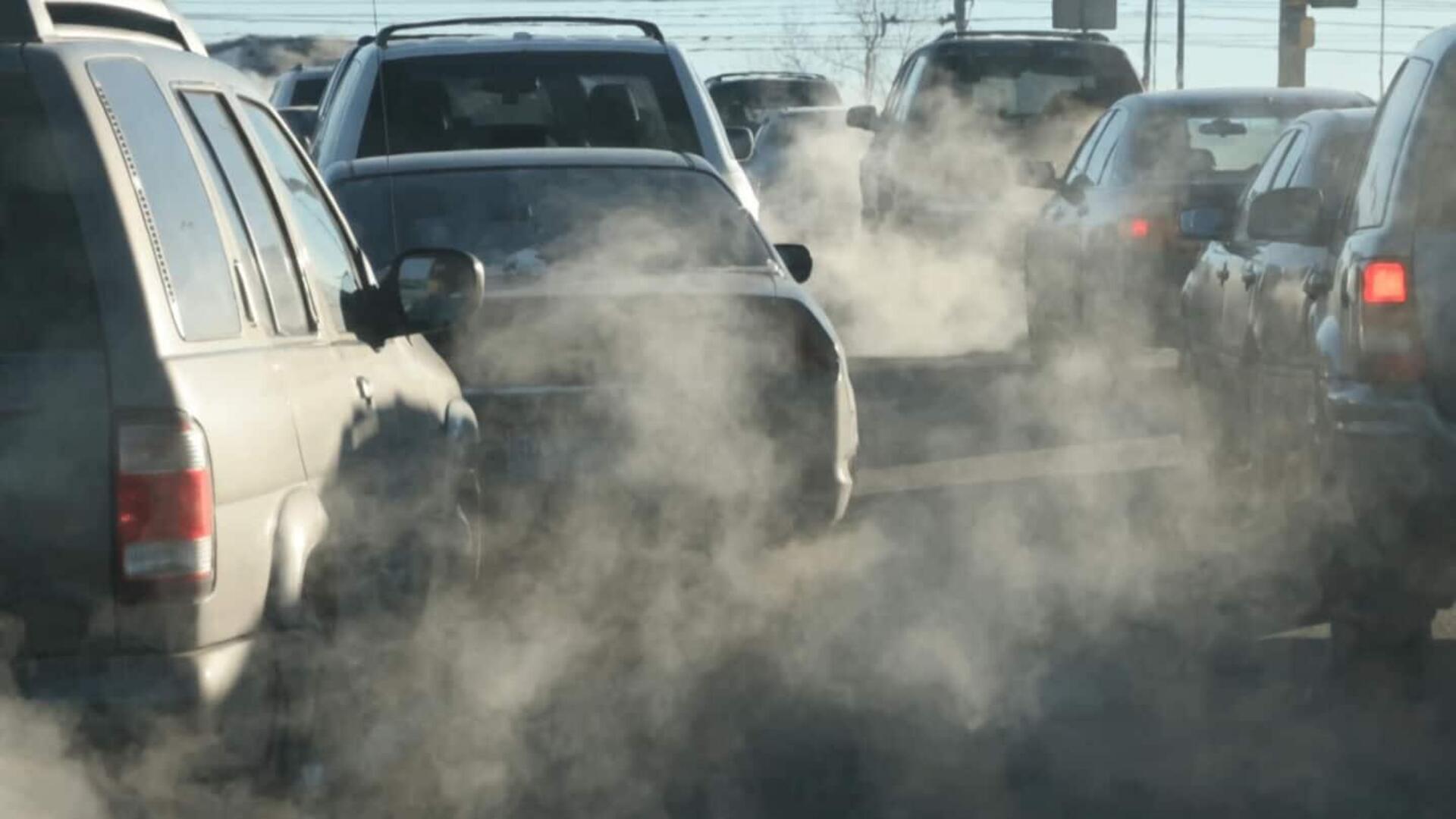
First, What Are CAFE Norms?
Think of CAFE norms as a report card for a car company's entire lineup, not just a single car. The rules, first introduced in India in 2017, require each manufacturer to meet a fleet-wide average for fuel consumption and, consequently, CO2 emissions.
This means a company can still sell a large, less efficient SUV, but they must balance it by selling a significant number of highly efficient small cars, hybrids, or electric vehicles (EVs) to bring their overall average down to the government-mandated target. It’s all about the average across every car they sell in a year.
The Major Leap from Phase II to III
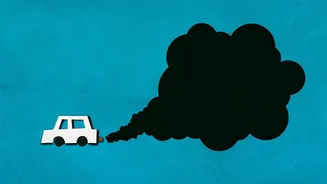
The new CAFE-III regulations, set to be implemented from April 1, 2027, represent a substantial tightening of the rules. While the current CAFE-II norms have a limit of around 113 grams of CO2 per kilometre (g/km), the new targets will become progressively stricter each year until 2032. For a carmaker with an average fleet weight, the target will drop to about 94.8 g/km in the first year (FY28) and all the way down to about 78.9 g/km by FY32. This marks a massive reduction, forcing manufacturers to rethink their entire product strategy rather than making minor tweaks. The targets are also weight-based, meaning the exact goal for a company depends on the average weight of the vehicles it sells.
A Push Towards Electrification and Hybrids
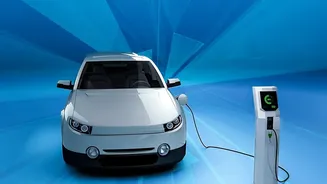
CAFE-III is designed to aggressively promote cleaner technologies. The regulations include a system of 'super credits' which gives extra weight to the sale of certain types of vehicles. For example, the sale of one battery electric vehicle will be counted three times in the manufacturer's compliance calculation. Strong hybrids and plug-in hybrids also receive significant benefits. This mechanism creates a powerful business incentive for carmakers to invest in and sell more EVs and hybrids. These vehicles, with their very low or zero tailpipe emissions, will become crucial tools for manufacturers to offset the emissions from their popular petrol and diesel models and meet their increasingly stringent fleet-wide targets.
What Carmakers Will Do to Adapt
Automakers now have a clear five-year roadmap and must make significant long-term product and technology plans. We can expect to see an acceleration in the launch of strong hybrids, plug-in hybrids, and EVs. Furthermore, carmakers will heavily promote models that run on alternative fuels like CNG and ethanol-blended petrol, which receive discounts on their declared CO2 emissions under the new rules. Companies can also earn smaller credits by fitting cars with specific fuel-saving technologies like start-stop systems, tyre pressure monitors, and more efficient transmissions. In a major strategic shift, the final rules did away with a proposed concession for small cars, putting more pressure on all segments to become more efficient.
What This Means for Car Buyers
For the Indian car buyer, showrooms in 2027 and beyond will look quite different. You can expect a much wider variety of strong hybrids and EVs at various price points. The flip side is that making traditional petrol and diesel engines compliant with these strict norms will add to their cost, which could be passed on to the consumer. For manufacturers who fail to meet their targets, the penalties are steep; they can buy credits from other compliant carmakers or from the Bureau of Energy Efficiency at a high price, adding another layer of cost pressure. Ultimately, the rules are designed to accelerate a market shift, pushing both carmakers and consumers towards a future dominated by more fuel-efficient and environmentally friendly vehicles.