

Embrace the Monsoon Mindset
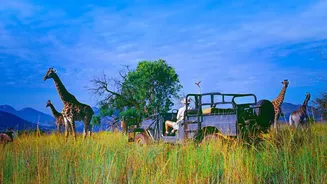
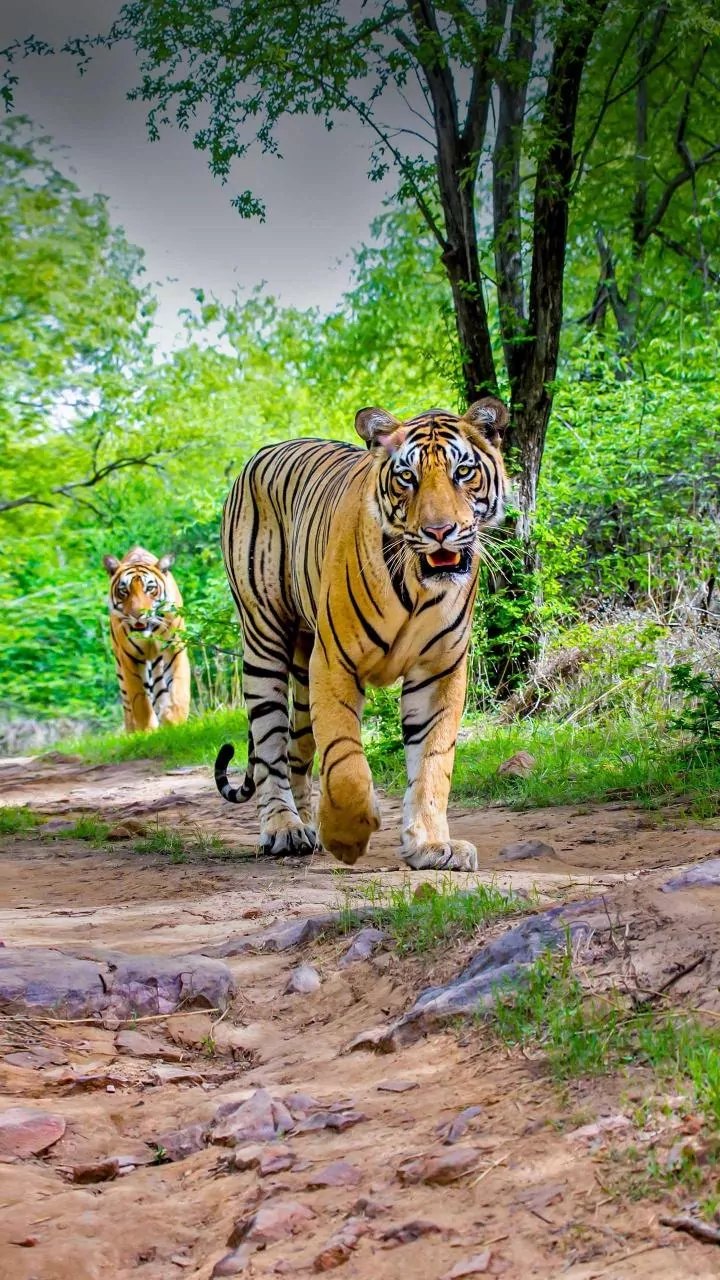
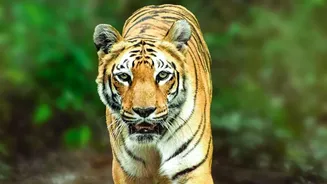
The annual closure of core zones in major tiger reserves like Ranthambore, Kanha, and Jim Corbett is a necessary pause. It allows the forest to rejuvenate, prevents vehicles from getting stuck on slushy tracks, and gives wildlife an undisturbed breeding
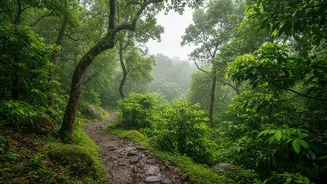
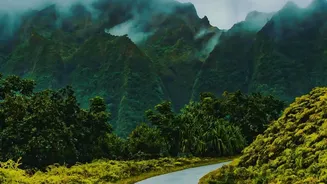
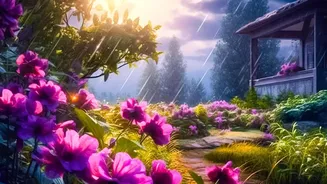
season. Instead of seeing this as a limitation, consider it an invitation to shift your perspective. The monsoon transforms the familiar Indian landscape into a lush, dramatic, and vibrant canvas. The air is thick with the scent of wet earth, the skies are a theatre of rolling clouds, and life, from insects to birds, is bursting forth with renewed energy. This is a season for appreciating nature's subtler, more intimate dramas close to home.
Discover Your Local Waterways
During the monsoon, local lakes, ponds, and even temporary wetlands become bustling hubs of activity. Water bodies that are quiet for much of the year suddenly fill up, attracting a host of resident water birds that are at their most active. Look out for species like the Pheasant-tailed Jacana, easily recognisable in its spectacular breeding plumage, and the Bronze-winged Jacana. Herons, egrets, and Indian spot-billed ducks are common sights. These accessible spots, often on the outskirts of cities like the Basai wetlands near Gurugram, offer fantastic opportunities for birdwatching without the need for a long journey. The best times to visit are early in the morning or just after a spell of rain when bird activity is at its peak.
The Untapped Potential of Urban Parks
Don't underestimate the green spaces within your own city. Public parks, botanical gardens, and university campuses can become surprisingly rich birding spots during the monsoon. The season is a crucial breeding period for many resident birds, making them more vocal and visible. Listen for the distinctive calls of cuckoos, which are particularly active at this time. Keep an eye out for the Indian Pitta, a jewel-like bird that is often easier to spot as it forages on the damp ground. Even common birds like bulbuls and sunbirds are busy with nesting activities. Urban birding in the monsoon is a lesson in finding the wild in the familiar.
Photographing the Monsoon Landscape
The monsoon is a landscape photographer's dream, offering soft, diffused light and moody skies. Instead of seeking grand, sun-drenched vistas, focus on the unique elements the season offers. Capture the drama of dark, heavy clouds rolling over a city skyline or a rural landscape. Use the rain-slicked streets to your advantage, looking for vibrant reflections of lights and colours. This is also a perfect time for macro photography; focus on the small details, like water droplets clinging to a spider's web or the saturated colours of a flower petal after a shower. Overcast conditions eliminate harsh shadows, making it ideal for capturing the rich, deep greens of the revitalised foliage.
Explore the Fringes and Buffer Zones
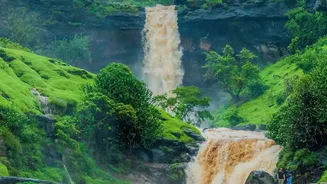
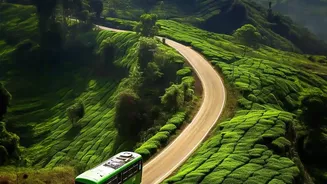
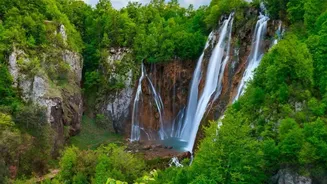
While the core areas of many national parks are inaccessible, their buffer zones often remain open for tourism. These areas can still offer rewarding wildlife and birding experiences, with fewer crowds and lower costs. Similarly, hill stations in the Western Ghats like Munnar, Coorg, or Mahabaleshwar, though receiving heavy rain, come alive with countless waterfalls and mist-laden landscapes. Sanctuaries like Thattekad in Kerala or parts of the Satpura Tiger Reserve remain accessible and are prime spots for monsoon birding, hosting species like the Malabar Trogon and Sri Lanka Frogmouth. Always check local conditions before travelling, as heavy rains can sometimes lead to road closures or landslides.