




Why Your New Car Will Cost More
It’s not just one thing, but a combination of factors pushing car prices upward. Major automakers like Tata Motors, Hyundai, and Maruti Suzuki have all pointed to persistent inflationary pressures and rising input costs as primary drivers. This means
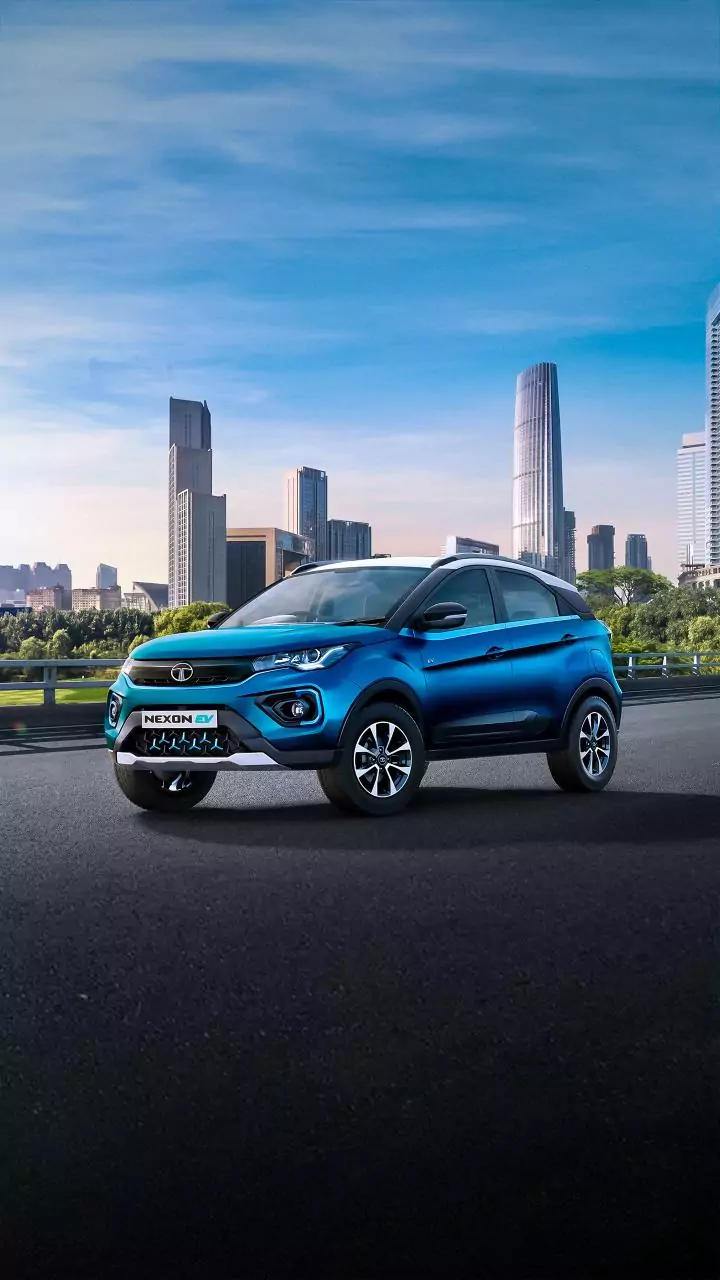
the raw materials used to build cars, from steel and aluminum to the components in complex electronics, are more expensive for manufacturers. These companies have stated that while they are absorbing a portion of these increased costs, they are compelled to pass some of the burden onto customers. For instance, Tata Motors announced a price hike of up to ₹25,000 across its range of petrol, diesel, and electric vehicles from September 1. Similarly, Hyundai is set to increase its prices by up to 1% from September. These announcements are part of a broader trend, with brands like Maruti Suzuki and Mahindra & Mahindra also having recently revised their prices upwards.
The Big Question: Buy Now or Wait?
With confirmed price hikes, the most pressing question for prospective buyers is whether to rush to a dealership now or hold off. The answer depends on your personal situation. Buying before September 1 could allow you to lock in the current, lower prices, potentially saving you a significant amount. Dealerships might also be keen to clear existing inventory before the new pricing kicks in, which could open up negotiation opportunities. However, rushing a purchase is never ideal and could lead to compromises on the model, variant, or colour you truly want. Waiting has its own risks and rewards. The immediate drawback is facing a higher sticker price. A 1% increase on a ₹10 lakh car means an extra ₹10,000, and that's before on-road costs. On the other hand, the festive season from October to December is traditionally a period of aggressive discounts and special offers as brands compete for customers. Waiting could give you access to these deals, but they would be applied to an already higher base price.
Smart Strategies for a Tough Market
Feeling priced out? Don't be discouraged. A tougher market calls for smarter strategies. Instead of focusing only on the final price, think about the total value. First, widen your consideration set. A model you previously overlooked might now offer better value. Second, focus your negotiation efforts. While dealers may be firm on the ex-showroom price, there is often more flexibility on other costs like insurance, accessories, and extended warranties. Don't be afraid to get quotes from outside insurance providers. Third, consider a nearly new or certified pre-owned car. A one- or two-year-old vehicle can offer tremendous savings, as the first owner has already absorbed the steepest depreciation and initial taxes. Finally, evaluate the total cost of ownership. A car that's cheaper to buy might be more expensive to run and maintain. Consider fuel efficiency, service costs, and potential resale value before making a final call.
Looking Ahead: More Changes on the Horizon
The current price increases are part of a larger trend. The automotive industry is constantly evolving, with upcoming regulatory changes poised to further influence costs. India is preparing for stricter safety norms, including the eventual implementation of Bharat NCAP 2.0, which will require more advanced safety features like additional airbags and electronic stability control as standard on many vehicles. These safety upgrades, while excellent for consumers, add to the manufacturing cost. Furthermore, the industry's continuous shift towards hybrid and electric technologies, along with more sophisticated in-car tech like large touchscreens and connected features, also contributes to a gradual rise in vehicle prices. Understanding this long-term trend can help frame your purchase decision—prices are unlikely to fall significantly in the future, but the features and safety offered will continue to improve.