








The Science of a Simple Breath
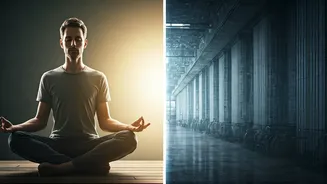
When your mind races, your body is often stuck in its 'fight-or-flight' mode, also known as the sympathetic nervous system. [27] This state of high alert, fueled by daily stress and worry, keeps your heart rate up and your muscles tense, making sleep
feel impossible. [6, 27] Conscious, controlled breathing is a powerful tool to counteract this. By intentionally slowing your breath, you activate the parasympathetic nervous system, often called the 'rest-and-digest' system. [12, 18, 21] This sends calming signals throughout your body, lowering your heart rate, reducing stress hormones like cortisol, and telling your brain it's safe to relax and power down for the night. [21, 27, 28]
Diaphragmatic Breathing: The Foundation
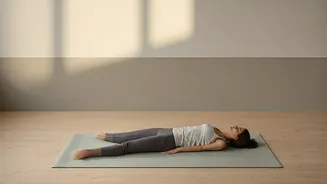
Also known as 'belly breathing', this technique is the cornerstone of almost every relaxation practice. [7, 15] It encourages you to use your diaphragm, the large muscle at the base of your lungs, for a deeper and more efficient breath that naturally calms the body. [15, 25] To practice it, lie comfortably on your back with your knees slightly bent. [17] Place one hand on your chest and the other on your stomach. [14, 17] Inhale slowly through your nose, focusing on making your stomach rise while your chest remains relatively still. [7, 14] Then, exhale slowly through your mouth or nose, feeling your belly fall. [7] Continue this for several minutes, focusing on the gentle rhythm. This practice helps retrain your body to breathe more deeply, reducing tension and promoting a state of calm. [25, 26]
4-7-8 Breathing for Deep Relaxation
Developed by Dr. Andrew Weil and based on an ancient yogic practice called pranayama, the 4-7-8 technique is renowned for its ability to soothe a racing mind and help people fall asleep. [1, 10, 12, 23] The extended exhale is key to activating the relaxation response. [17] To start, get into a comfortable position. [1] Place the tip of your tongue on the tissue just behind your top front teeth and keep it there. [1, 12] Exhale completely through your mouth, making a 'whoosh' sound. [1, 10] Next, close your lips and inhale silently through your nose for a count of four. [2] Hold your breath for a count of seven. [2] Finally, exhale completely through your mouth for a count of eight, again making a whoosh sound. [2, 14] Repeat this cycle three to four times to start, gradually working up to eight repetitions as you get more comfortable. [14]
Box Breathing to Reset Your System
Also known as 'square breathing', this technique is famously used by Navy SEALs to stay calm and focused under pressure. [4, 9] Its simplicity and rhythmic nature make it an excellent tool for interrupting anxious thought loops. [3, 5] The structure is easy to remember: each part of the breath lasts for a count of four. [8, 13] Find a comfortable position and exhale all the air from your lungs. [5] Then, slowly inhale through your nose for a count of four. [5, 8] Hold your breath at the top for another count of four. [5, 8] Gently exhale through your mouth for a count of four. [5, 8] Finally, hold your breath at the bottom for a count of four before beginning the next cycle. [5, 8] Visualising drawing a square as you breathe can help you maintain the rhythm. [3] Repeat the cycle for a few minutes until you feel your mind begin to settle. [4]
Make It a Nightly Ritual
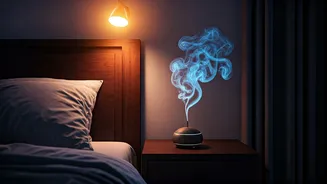
The key to making these breathing exercises effective is consistency. Like any skill, their power grows with regular practice. [19] Choose one or two techniques that feel most comfortable to you and incorporate them into your bedtime routine. [29] You might practice for five minutes right after getting into bed or while listening to calming music. The goal is to create a signal for your brain that the day is over and it's time to transition to rest. Don't be discouraged if your mind still wanders at first; that's perfectly normal. [29] When you notice your thoughts drifting, gently guide your focus back to the sensation of your breath. [28] Over time, this simple nightly ritual can become a reliable and empowering way to quiet your mind and welcome a night of deep, restorative sleep.