



From Heirlooms to Hoodies
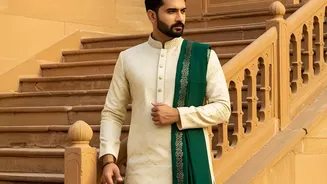
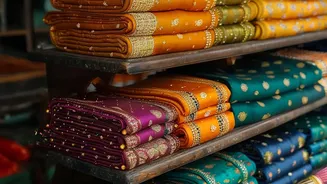
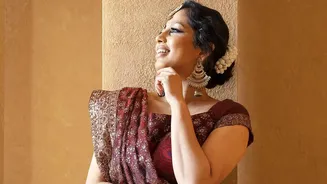
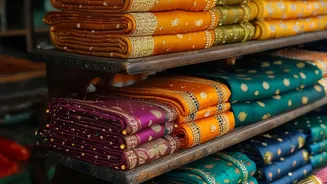
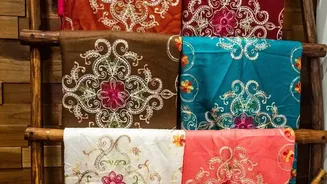
For generations, textiles like Banarasi silk, Gujarati Patola, and Bengali Kantha were reserved for saris, dupattas, and ceremonial attire. They were heirlooms, lovingly stored and brought out for special occasions. Streetwear, on the other hand, was
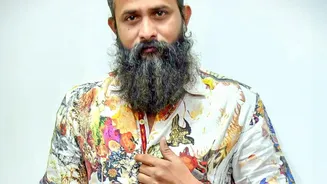
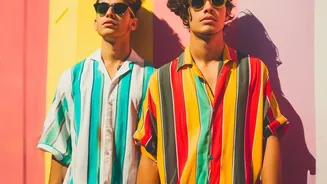
the uniform of the youth—global, casual, and often disconnected from traditional aesthetics. Today, that wall is crumbling. A new generation of Indian designers is rejecting the idea that heritage and modernity are mutually exclusive. They are taking the fabrics and techniques once associated with their grandparents' wardrobes and using them to craft hoodies, bomber jackets, joggers, and sneakers. This isn't just about slapping a traditional motif on a t-shirt; it's a deep, thoughtful reinterpretation of cultural identity for a globalised world.
The Block Print Revolution
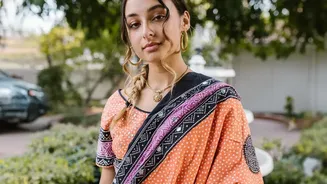
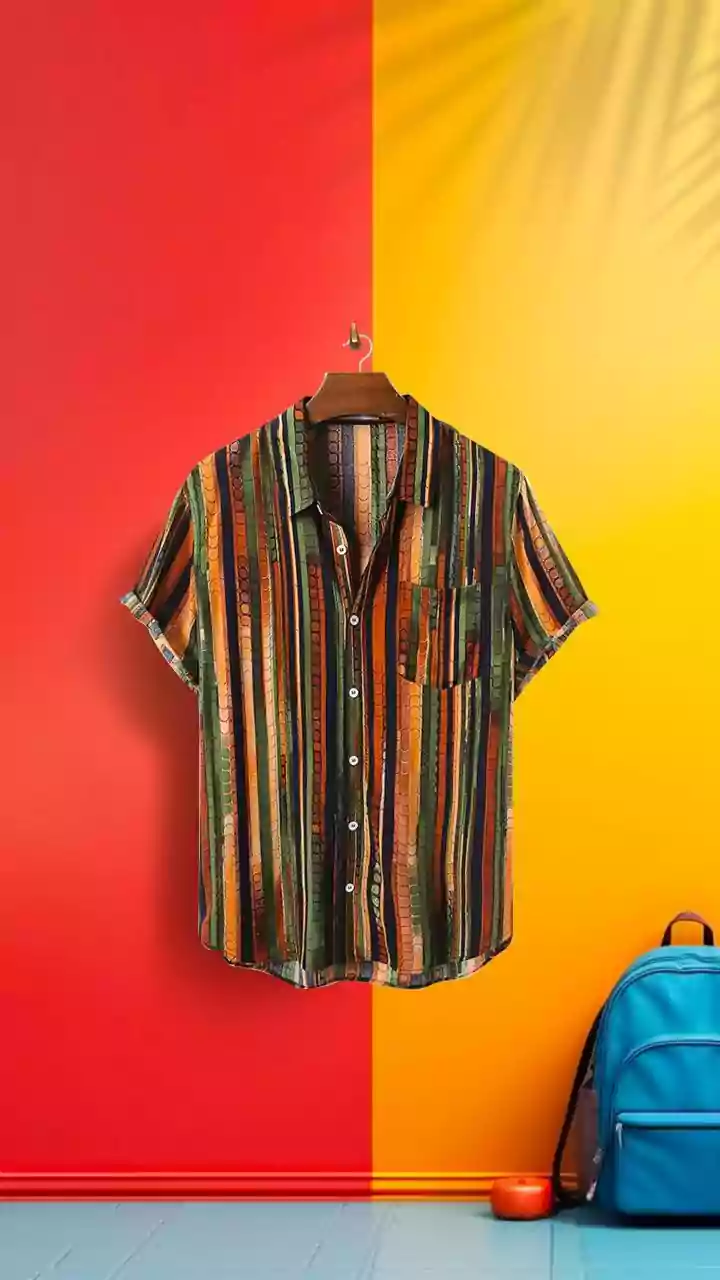
Take, for example, the art of hand-block printing, such as Ajrakh from Gujarat and Kalamkari from Andhra Pradesh. Traditionally seen on kurtas and bed linens, these intricate, hand-carved patterns are now appearing on oversized shirts and relaxed-fit trousers. Brands like Farak have built their identity on this fusion, creating pieces that tell a story of Indian craftsmanship in a contemporary language. The process involves artisans meticulously pressing carved wooden blocks dipped in natural dyes onto fabric. By incorporating this slow, deliberate craft into streetwear's fast-paced silhouettes, designers are creating a powerful contrast. It’s a way of wearing a piece of history, celebrating the artisan's skill, and making a statement that is both stylish and culturally resonant.
Weaving a New Narrative with Khadi and Ikat
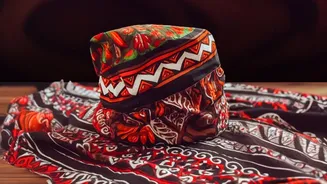
Khadi, the hand-spun and hand-woven fabric synonymous with India's freedom movement, is also being reimagined. Once seen as coarse or purely political, it is now being used to create everything from denim-style jackets to minimalist dresses. Its raw texture and breathability lend themselves perfectly to the comfortable, utilitarian ethos of streetwear. Similarly, the mesmerizing patterns of Ikat, a complex dyeing technique used to pattern textiles, are finding new life. Brands like NorBlack NorWhite have been instrumental in blending traditional techniques like Ikat and Bandhani with unconventional silhouettes, bringing them to a global audience. This revival turns a traditional weave into a bold graphic statement on a modern garment, connecting the wearer to centuries of weaving tradition without sacrificing contemporary style.
More Than Just a Trend
This movement is about more than just aesthetics; it's a conscious choice. For many young designers, using heritage textiles is a way to promote sustainability. Handloom weaving and natural dyeing processes have a much smaller environmental footprint than industrial manufacturing. It's also a powerful way to support artisan communities. By creating a modern market for ancient skills, these designers are helping to provide livelihoods and ensure that these invaluable crafts don't fade away. Brands like Johargram, which focuses on the textiles of Jharkhand, are built on this very principle of empowering local artisans through contemporary design. In a world dominated by fast fashion, choosing a piece of clothing that is hand-woven or hand-printed becomes a radical act—a vote for quality, authenticity, and cultural preservation.