




The Challenge of Damp Corners
That subtle musty smell or the dark patch in a forgotten corner is a common issue in smaller homes and apartments. Damp corners are usually a sign of two culprits: condensation and poor air circulation. Small spaces can trap moisture from daily activities
like cooking and showering. When this humid air hits a cold surface, like an exterior wall or a corner with no airflow, it condenses into water, creating a prime environment for mould. This is especially true in areas with limited ventilation, such as behind large pieces of furniture or in rooms that aren't heated as frequently.
A Practical Guide to Keeping Corners Dry
First, identify the source. Check for any obvious leaks from pipes or roofing. If the dampness is from condensation, the key is to improve ventilation. Simply opening windows for 15 minutes a day can make a significant difference in replacing stale, moist air. For more persistent issues, use exhaust fans in bathrooms and kitchens to pull moisture out of the air. Strategically placed fans can also help circulate air throughout your home, preventing stagnant pockets. In particularly damp areas, a dehumidifier can actively remove excess moisture from the air. Also, try to leave a small gap between furniture and exterior walls to allow air to circulate freely.
Understanding the Essence of Calm Light
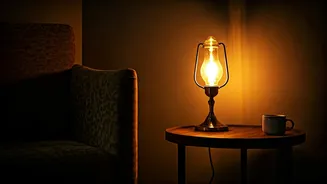
Once your space is dry and healthy, the next step is creating a soothing atmosphere. “Calm light” is about the quality and mood of the light, not just its brightness. Harsh, single-source overhead lighting can create stark shadows that make a room feel smaller and more clinical. The key to calm lighting lies in its warmth and diffusion. This is determined by the bulb's color temperature, measured in Kelvins (K). For a relaxing, cozy environment similar to candlelight, look for bulbs in the 2700K to 3000K range. Temperatures above 4000K can feel sterile and are often better suited for commercial spaces.
Creating Ambiance Through Layered Lighting
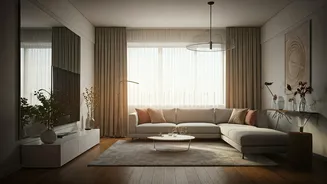
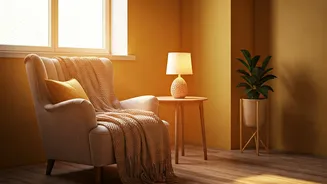
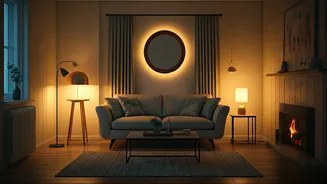
The most effective way to achieve calm lighting is through layering. Instead of relying on one central light, aim to use three to four different light sources at varying heights. Interior designers break this down into three types: ambient, task, and accent lighting. Ambient light provides overall illumination. This can come from a ceiling fixture with a diffuser, a floor lamp that bounces light off the ceiling, or wall sconces. Task lighting is focused light for specific activities, like a reading lamp by a chair or under-cabinet lights in the kitchen. Accent lighting highlights features you love, such as artwork or a plant, adding depth and personality to the room. Hidden LED strips behind shelves or a television can provide a soft, ambient glow.
Fixtures and Tricks for a Serene Glow
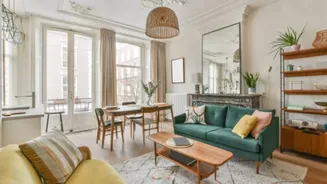
In small spaces, every choice matters. Opt for fixtures that save space and enhance the feeling of openness. Wall sconces are excellent because they provide light without taking up floor or table space. Slender floor lamps can brighten dark corners and draw the eye upward, creating an illusion of height. Arc floor lamps are a great solution for rooms without an overhead fixture, providing light over a seating area without needing to be hardwired. Always use lampshades made of fabric or frosted glass to diffuse the light and reduce glare. Finally, don't underestimate the power of mirrors. Placing a large mirror opposite a window or near a lamp will bounce light around the room, doubling the brightness and making the space feel larger and more open.