



Understanding Heart-Healthy Snacking
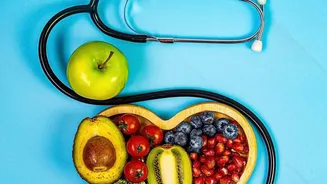
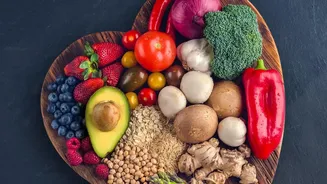
Before diving into recipes, it's helpful to know what makes a snack heart-friendly. It comes down to a few key elements. First, high-fibre foods, like fruits, vegetables, and whole grains, help manage cholesterol and keep you feeling full. Second, healthy
fats, specifically monounsaturated and polyunsaturated fats found in nuts, seeds, and avocados, can help lower 'bad' LDL cholesterol levels. Finally, limiting sodium, added sugars, and saturated fats is crucial, as these can contribute to high blood pressure and other heart disease risk factors. The goal is to choose whole, minimally processed foods as often as possible.
Power Up with Nuts and Seeds
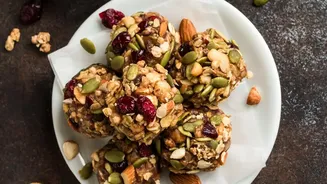
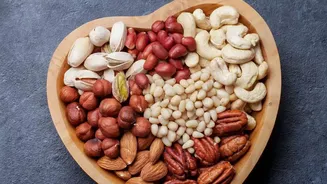
Nuts and seeds are nutritional powerhouses for heart health. Studies show that regular consumption can significantly lower the risk of heart disease. Almonds, walnuts, and pecans are packed with healthy fats, protein, and vitamin E, which helps prevent plaque buildup in arteries. For a simple and portable snack, create your own trail mix. Combine a handful of unsalted, raw or roasted nuts like almonds and walnuts with seeds such as pumpkin or sunflower seeds. For a touch of sweetness, add a few raisins or dried apricots, but be mindful of portion sizes to control sugar intake.
Embrace Fruits and Vegetables
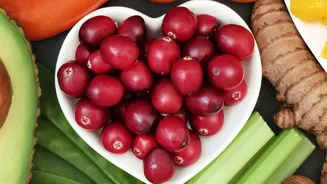
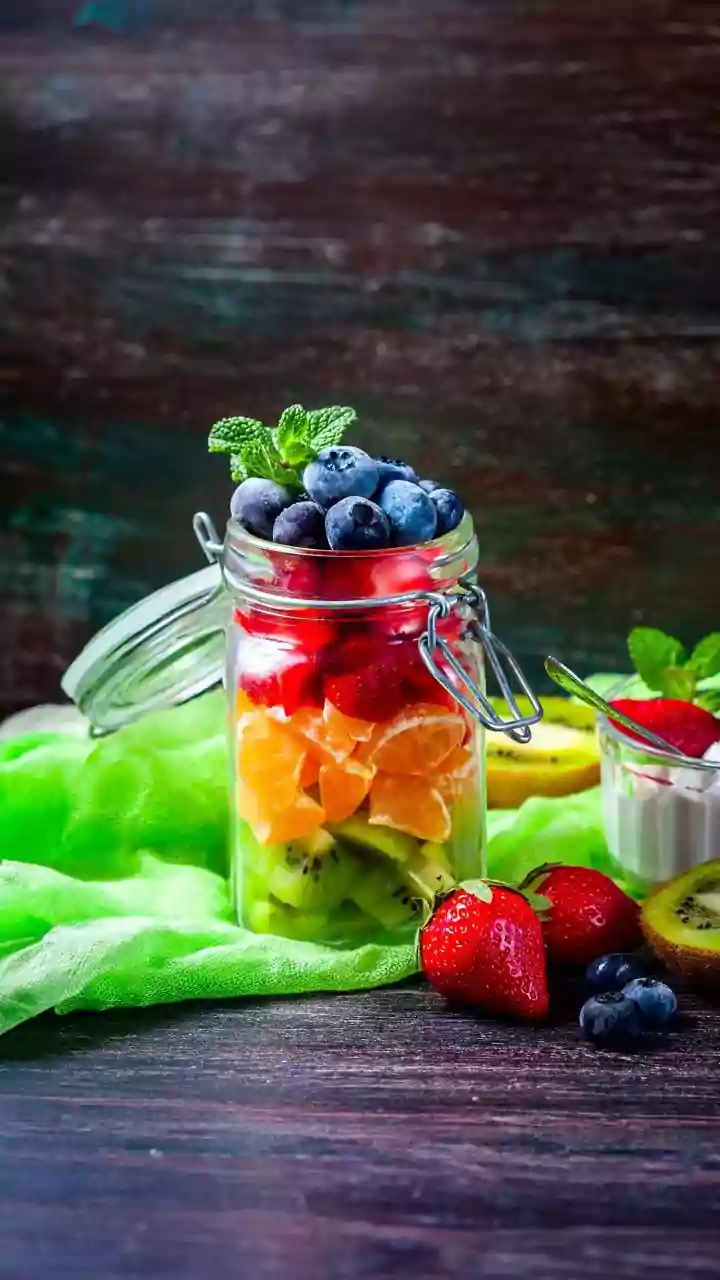
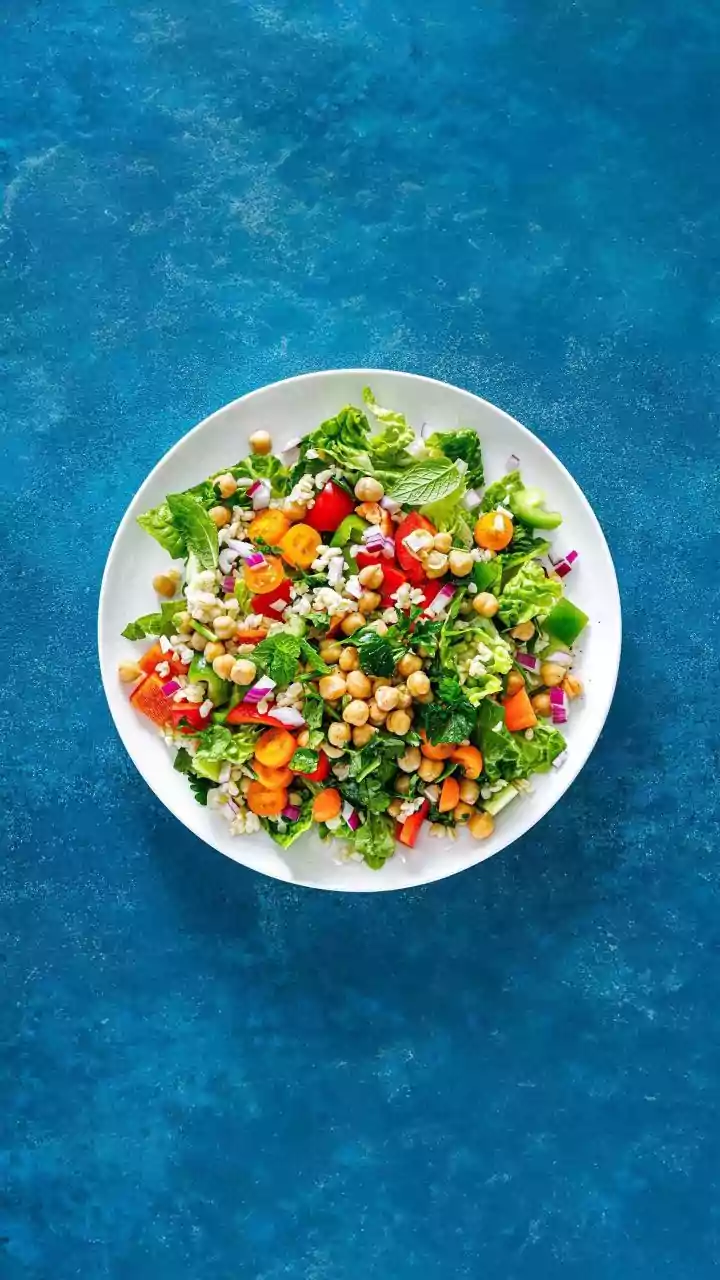
The simplest snacks are often the most effective. Fresh fruits and vegetables are loaded with fibre, vitamins, and antioxidants. Instead of reaching for a bag of chips, grab an apple or a pear; their high fibre content is excellent for heart health. To make it a more substantial snack, pair apple slices with a tablespoon of natural, unsalted peanut butter for a boost of protein and healthy fats. Another great option is dipping crunchy vegetables like carrot sticks, cucumber slices, or bell peppers into hummus. Hummus, made from chickpeas, provides plant-based protein and fibre, making for a satisfying and heart-smart choice.
Go for Whole Grains
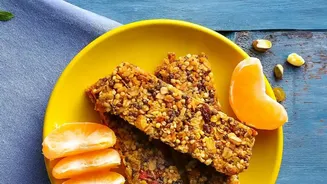
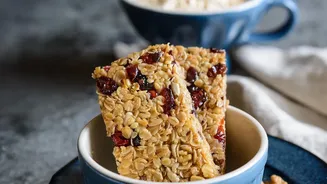
Whole grains are a fantastic source of fibre, which plays a role in lowering cholesterol and blood pressure. Swapping refined snacks for whole-grain options provides lasting energy and supports cardiovascular health. A simple bowl of oatmeal isn't just for breakfast; a small portion can be a comforting and healthy snack. You can also try air-popped popcorn, which is a whole grain, seasoned with herbs instead of salt and butter. For a savoury Indian-inspired snack, consider a healthy bhel puri made with puffed rice, finely chopped vegetables like onion and tomato, and a squeeze of lemon juice, leaving out the fried components.
Lean on Protein-Rich Options
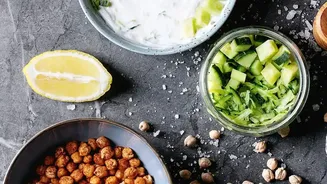
Protein helps with satiety, keeping you full and preventing overeating. For a creamy, protein-packed snack, opt for plain Greek yogurt or traditional dahi. Top it with fresh berries for natural sweetness and an extra dose of antioxidants and fibre. Another excellent high-protein snack is roasted chana (chickpeas). You can easily make these at home by tossing boiled chickpeas with a little oil and your favourite spices (like cumin or paprika) and baking them until crispy. This creates a crunchy, savoury snack that satisfies cravings without the excess fat and sodium of deep-fried alternatives.