





What Exactly is Sumac?
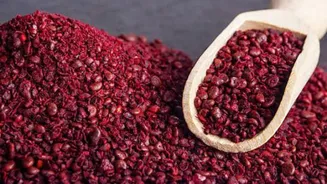
Sumac is a coarse powder made from the dried and ground berries of the Rhus coriaria shrub, which is native to the Mediterranean, Turkey, and parts of Iran. Its name comes from the Arabic word for 'dark red', a nod to its beautiful crimson hue. A staple
in Middle Eastern and Mediterranean cuisine for centuries, it was even used by the ancient Romans as a souring agent before lemons became widely available. The edible Rhus coriaria should not be confused with its relative, poison sumac, which produces white berries and is toxic. The sumac you find in spice aisles is perfectly safe and ready to transform your cooking.
A Burst of Tangy Flavour
The primary flavour of sumac is a bright, pleasant tartness that is often compared to lemon. However, it's generally considered less harsh and more balanced than citrus juice, with subtle fruity and earthy undertones. One of its greatest culinary advantages is that it provides acidity without adding liquid. This allows you to brighten the flavour of a dish without altering its texture, making it uniquely versatile for everything from dry rubs to delicate salads.
Elevating Your Salads
Sumac is a game-changer for salads. It is a key ingredient in the classic Middle Eastern fattoush salad, a mix of fresh vegetables and toasted pita bread. You can easily incorporate it into your own creations by whisking it into a vinaigrette with olive oil and a touch of lemon juice or vinegar. The spice pairs beautifully with simple tomato and cucumber salads, where a final sprinkle adds both vibrant colour and a zesty finish. For a creamy dressing, try whisking sumac and finely chopped garlic into Greek yoghurt to serve alongside salads or as a dip.
Transforming Roasted Vegetables
Roasted vegetables gain a new dimension with the addition of sumac. Its tartness cuts through and balances the natural sweetness and richness that emerges from roasting. Vegetables like carrots, cauliflower, sweet potatoes, broccoli, and red onions are excellent candidates. For an easy side dish, simply toss your chopped vegetables with olive oil, salt, pepper, and a generous teaspoon or two of sumac before roasting in a hot oven until tender and lightly caramelised. Because high heat can slightly dull its flavour, some cooks prefer to add another light sprinkle of sumac just before serving to bring its bright notes forward.
Beyond the Basics
The uses for sumac don't stop with salads and vegetables. It is a fantastic finishing spice for dips like hummus and baba ghanoush, where it adds a pop of colour and acidity. You can use it in marinades for tofu or sprinkle it over grain bowls, eggs, and lentil dishes. A popular and simple condiment in Middle Eastern cuisine is sumac onions, made by tossing thinly sliced red onions with sumac, salt, and a bit of lemon juice and olive oil. These are a wonderful topping for sandwiches, falafel, and tacos.