







The Visa Shuffle: What’s New for Indians?
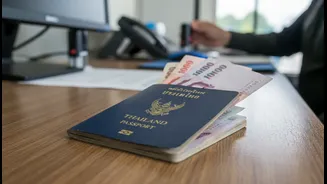
The most significant change revolves around visa-free entry. After a period of policy confusion, the Thai government confirmed in mid-July 2026 that it would scrap a broader 60-day visa exemption scheme that had been in place for 93 countries. Instead,
it has instituted a new 30-day visa-free stay for visitors from 59 countries, including India. While this is a step up from a visa-on-arrival, it effectively halves the potential duration for those who previously enjoyed a 60-day exemption. The decision to keep India on the visa-free list came after an earlier proposal to remove it caused a sharp decline in tourist arrivals, highlighting India's importance to the Thai tourism economy. For the budget backpacker dreaming of a two-month sojourn, this means trips must now be shorter or require a formal visa application process before leaving home.
More Planning, Less Spontaneity
The days of landing in Bangkok with just a backpack and a loose plan are being re-evaluated by the authorities. There is now a stronger emphasis on structured travel. Immigration officials are advising travellers to have a clear itinerary, confirmed hotel bookings for their stay, and proof of a return flight ticket. Adding another layer of digital paperwork, all visitors must now complete the Thailand Digital Arrival Card (TDAC) online within 72 hours before their flight. This move, part of a broader effort to improve security and monitor foreign arrivals, signals a shift away from the freewheeling travel style that many budget holidaymakers cherish, demanding more preparation and less on-the-fly decision-making.
Show Me The Money: The Cash Rule
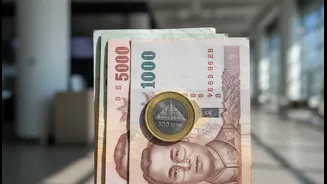
A significant point of concern for budget travellers is the reinforced requirement to show proof of funds. Under the updated guidelines, visitors travelling under visa waiver or visa-on-arrival facilities may be randomly selected and asked by immigration officials to show they are carrying at least 20,000 Thai Baht in cash per person, which is approximately ₹57,000. This is not a new rule, but its renewed emphasis poses a challenge. Many budget travellers prefer to rely on cards or digital payments to avoid carrying large amounts of cash. This requirement means travellers must have a substantial amount of physical currency on hand upon arrival, which can be a security concern and a logistical hurdle for those managing a tight budget.
The Tourist Taxes You Can’t Avoid
Two new costs will affect your travel budget. First is a planned tourist entry fee of 300 Baht (around ₹700) per person. Authorities have stated this fee will be used to develop tourism infrastructure and provide a small amount of accident insurance for visitors. While its exact implementation date in 2026 is still being finalised, it's an additional cost to factor in. Second, an increased international departure tax came into effect on June 20, 2026. For flights leaving from Thailand's six main international airports, including Bangkok and Phuket, the tax rose from 730 Baht to 1,120 Baht (approx. ₹2,600). This tax is typically built into your flight ticket price, but it represents an indirect hike in the overall cost of your trip.
Why Is Thailand Making These Changes?
These new measures are part of a larger strategy by the Thai government to balance its booming tourism industry with national security and sustainability. Officials have cited the need to curb foreigners who might be misusing visa-free policies to work illegally or engage in criminal activities. By shortening visa-free stays and requiring more documentation, the government aims to encourage what it deems 'quality tourism'. The collection of tourist fees is also a global trend, with many countries seeking to ensure that visitors contribute directly to the maintenance and improvement of the destinations they enjoy. While these changes may add a few hurdles, the goal is to create a more sustainable and secure tourism environment for everyone.