


When to Go: A Tale of Two Seasons
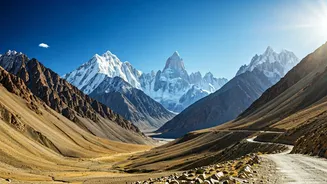
Choosing when to visit Ladakh is crucial, as the experience differs dramatically with the seasons. The most popular time is from late May to early September. During these summer months, the weather is pleasant, daytime temperatures are comfortable, and
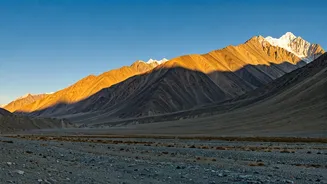
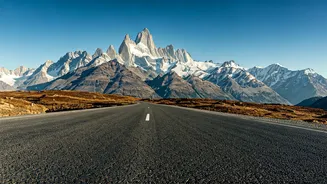
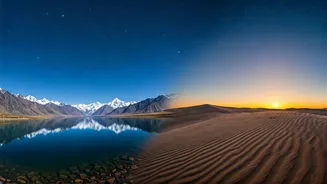
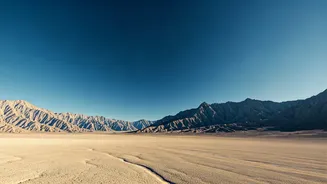
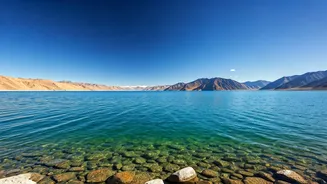
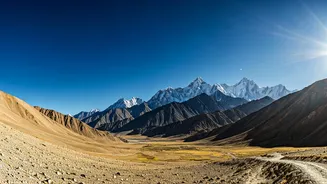
the crucial mountain passes, including the Srinagar-Leh and Manali-Leh highways, are open. This is the ideal window for road trips, trekking, and visiting high-altitude lakes like Pangong Tso and Tso Moriri. The landscape is a stunning mix of brown, barren mountains and patches of green. Conversely, the winter season, from late October to March, offers a completely different, more challenging adventure. The region is blanketed in snow, roads are closed, and access is primarily by air. This is the time for the famous Chadar Trek on the frozen Zanskar River and for experiencing Ladakh in its most serene, isolated state, but it requires serious preparation for extreme cold.
The Golden Rule: Acclimatise Properly
This is the most important piece of advice for any Ladakh traveler. Leh is situated at an altitude of over 11,500 feet, and Acute Mountain Sickness (AMS) is a real risk. Regardless of your fitness level, your body needs time to adjust to the lower oxygen levels. The standard recommendation is to do absolutely nothing for the first 24-48 hours after arriving in Leh. This means no strenuous walking, no immediate sightseeing trips. Just rest, stay hydrated by drinking plenty of water, and avoid alcohol. This simple precaution is the key to enjoying the rest of your trip. Most itineraries are designed with gradual ascent in mind, so trust the process and give your body the time it needs.
Essential Circuits: Beyond Leh Town
While Leh itself is charming with its market, palace, and Shanti Stupa, the true magic of Ladakh lies in its circuits. The most popular route takes you to the Nubra Valley via Khardung La, one of the world's highest motorable passes. The valley offers a surprising landscape of sand dunes (where you can see the double-humped Bactrian camels), lush green villages, and the beautiful Diskit Monastery. Another unmissable destination is Pangong Tso, a breathtaking high-altitude lake that famously changes colour throughout the day. The journey itself is spectacular. Reaching the lake requires an Inner Line Permit, which can be easily arranged by tour operators in Leh or obtained online. For those with more time, the journey to the more remote Tso Moriri lake offers a less crowded but equally stunning experience.
Spiritual Sojourns: Monasteries and Culture
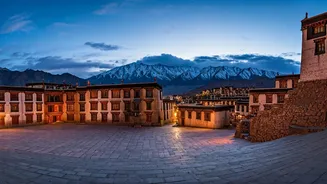
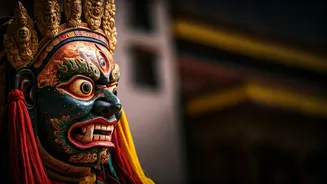
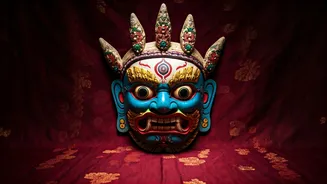
Ladakh's cultural fabric is deeply woven with Tibetan Buddhism, and its monasteries (gompas) are living museums of faith and art. Perched on hilltops, they offer both spiritual solace and panoramic views. Thiksey Monastery, with its striking resemblance to the Potala Palace in Lhasa, is a must-visit, especially for its morning prayer ceremony. Hemis Monastery, the largest in Ladakh, is famous for its annual festival featuring masked dances. Other notable gompas include Alchi for its ancient Kashmiri-influenced art, Diskit in Nubra Valley with its towering Maitreya Buddha statue, and Spituk, which overlooks the Leh airport runway. When visiting, remember to dress modestly, walk clockwise around stupas and prayer wheels, and always ask for permission before taking photographs of monks or religious ceremonies.
Getting There and Getting Around
You can reach Ladakh in two main ways: by air or by road. Flying into Leh's Kushok Bakula Rimpochee Airport is the quickest and only year-round option. It offers spectacular aerial views of the Himalayas but makes proper acclimatisation even more critical. The alternative is a classic road trip, either from Srinagar via Kargil or from Manali via Keylong. Both routes are legendary for their dramatic scenery and high passes, but they are only open during the summer months. The Manali-Leh highway is particularly challenging but incredibly rewarding. Once in Ladakh, the most common way to get around is by hiring a local taxi with an experienced driver. For shorter distances within Leh, auto-rickshaws are available. For the more adventurous, renting a motorcycle is a popular, albeit demanding, way to explore the region.