


Your Eyes Are The Best Starter Kit
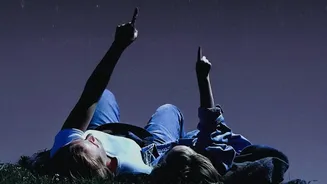
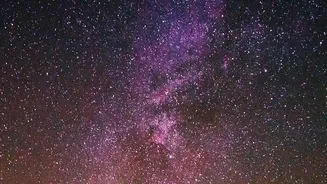
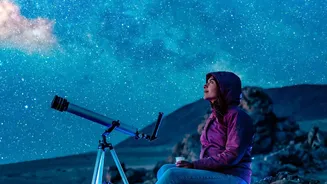
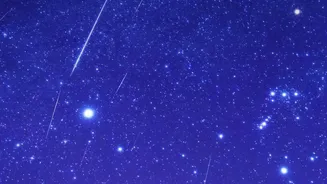
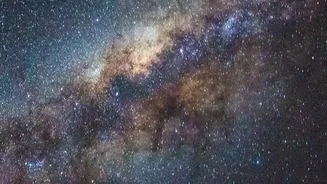
The most powerful tool for stargazing is the one you already have: your eyes. Before even thinking about telescopes, start with naked-eye observation. Give your eyes at least 20-30 minutes to adjust to the darkness, avoiding your phone screen. You'll
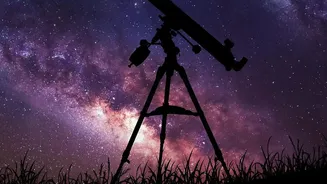
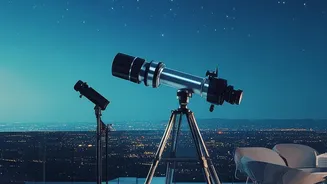
be amazed as thousands of stars, constellations, and even the faint band of the Milky Way begin to appear. For a little help, download a stargazing app like Stellarium or SkyView, which uses your phone's GPS to identify stars, planets, and constellations in real-time. A simple pair of binoculars is a fantastic next step, revealing details like the craters on the moon or the moons of Jupiter, without the complexity of a large telescope.
Hanle, Ladakh: India's Dark Sky Sanctuary
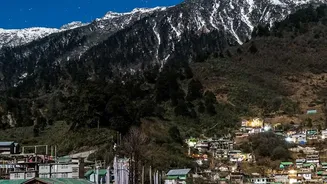
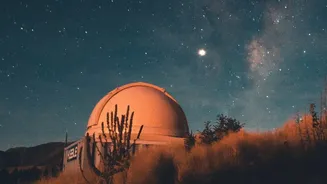
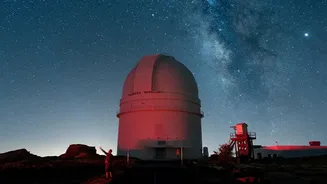
If there is one undisputed champion of stargazing in India, it's Hanle. Located in the remote Changthang region of Ladakh, this is home to India's first and only officially designated Dark Sky Reserve. Situated at an altitude of 4,500 metres, Hanle offers bone-dry air, over 250 clear nights a year, and virtually zero light pollution, giving it the highest possible rating for darkness. This is where the Indian Astronomical Observatory is located, a testament to its world-class conditions. Astro-tourism is being developed sustainably, with local villagers trained as 'Astronomy Ambassadors' to guide visitors, making a trip here a community-supporting experience. The journey from Leh is long, around 8-10 hours, and requires permits, but the reward is a view of the cosmos you'll never forget.
Spiti Valley, Himachal Pradesh: A High-Altitude Haven
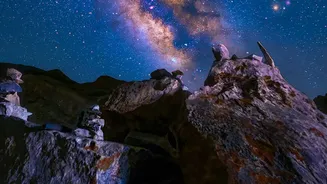
Another Himalayan gem, Spiti Valley, is a cold desert renowned for its dramatic landscapes and pristine night skies. Villages like Kibber, Langza, and Komic, all situated at altitudes over 4,000 metres, are far from major urban centres, ensuring minimal light pollution. The dry air and high elevation lead to exceptional clarity, making constellations and meteor showers appear incredibly sharp. In recent years, community-run stargazing facilities have been established, complete with telescopes and trained local guides, particularly in Kaza. For photographers, the iconic Buddha statue at Langza provides a stunning foreground for shots of the Milky Way.
Coorg, Karnataka: Coffee Plantations and Constellations
You don't have to go to the high Himalayas for a stellar view. Nestled in the Western Ghats, Coorg surprises with its clear night skies, especially during the winter months from October to February when humidity is low. The region's elevation and distance from major cities create pockets of darkness perfect for stargazing. Imagine sipping freshly brewed coffee on a plantation as constellations like Orion twinkle above. Many eco-lodges and campsites in Coorg are now offering stargazing sessions as part of their experience, sometimes with telescopes available for guests. It's a serene and accessible option for those in South India.
Neil Island, Andamans: A Coastal Cosmos
For a truly unique experience, try stargazing by the sea. Neil Island (Shaheed Dweep) in the Andamans offers a spectacular celestial show thanks to its remote location and minimal light pollution. Once the sun sets, beaches like Sitapur and Laxmanpur become pitch-dark auditoriums. Laying on the sand with the sound of waves as your soundtrack, you can see the Milky Way on clear nights. The best time to visit for stargazing is during the dry season, from November to April, when the skies are consistently clear. It’s an unforgettable combination of tropical tranquility and cosmic drama.
Simple Tips for a Better Starry Night
To make the most of your stargazing adventure, a little planning goes a long way. First, check the moon phase; plan your trip around a new moon, as a bright full moon will wash out fainter stars. Second, check the weather forecast for clear, cloudless skies. Third, dress in layers. Even on warm days, nights can get surprisingly chilly when you're sitting still. Finally, bring a blanket or a comfortable chair to lie back on. Using a red flashlight instead of a white one will help you move around without ruining your night vision, which takes time to build.