







The New Travel Gatekeeper
Not long ago, planning a trip during the monsoon was a broad calculation. You knew the hills might be risky and coastal areas humid, but the decision was largely based on seasonal generalities. Today, travel planning has become a highly tactical, short-term
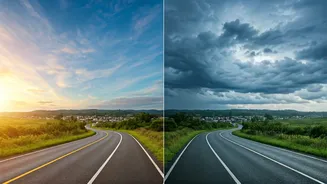
exercise. The India Meteorological Department (IMD) now issues highly specific, colour-coded alerts (yellow, orange, red) for districts, and these warnings are instantly blasted across our smartphones. This constant stream of data has turned our weather apps into powerful gatekeepers. A 'red alert' for a district in Uttarakhand or a 'heavy rainfall' warning for the Konkan coast is no longer just a forecast; it's a direct command to reconsider, postpone, or reroute.
From Nuisance to Genuine Danger
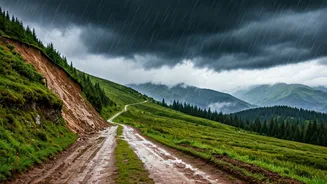
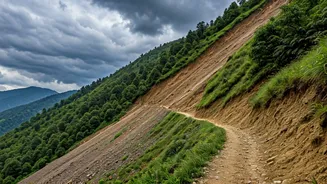
This heightened caution isn't paranoia; it's a learned response to recent history. In the past few years, India has witnessed devastating flash floods and landslides in popular tourist destinations like Himachal Pradesh, Uttarakhand, and Kerala. Viral videos of roads collapsing, cars being washed away, and tourists being stranded have ingrained a sense of caution in the collective psyche. What was once seen as an adventurous drive through the rains is now correctly perceived as a potential risk. Travellers are more aware that heavy rain in the mountains doesn't just mean a damp holiday—it can mean blocked highways, no connectivity, and life-threatening situations. The fun-loving road-tripper has become a risk-assessing planner.
The Great Destination Shuffle
This new reality is causing a noticeable shift in travel patterns. Instead of automatically booking a trip to a favourite hill station like Manali or Mussoorie during the monsoon, travellers are now actively seeking out 'monsoon-proof' alternatives. Travel agents report a growing interest in destinations in the rain-shadow regions, such as parts of the Deccan plateau, or drier states like Rajasthan, which offer a different kind of charm without the risk of landslides. The focus has shifted to resorts and staycations with plenty of indoor activities, where a downpour is a cosy backdrop rather than a holiday-ruining event. People are asking: "Where can we go that won't have a red alert?" This question is fundamentally changing the map of monsoon travel in India.
Embracing Spontaneity, Backed by Data
Ironically, while long-term plans are being shelved due to uncertainty, the precision of forecasts is also fuelling a new kind of spontaneity. Instead of booking a month in advance, many are now adopting a 'wait-and-watch' approach. A clear 72-hour forecast for a nearby destination can trigger an impromptu trip. If the apps show a window of clear weather in the Western Ghats or a dry spell near a favourite coastal town, people are more willing to pack their bags and leave at a moment's notice. This creates a more dynamic travel culture, where the weekend plan is fluid until Wednesday or Thursday's weather update. The car is ready, the bags are half-packed, and the final decision rests on what the satellite imagery predicts.
How to Plan in the Age of Alerts
Navigating this new landscape doesn’t mean giving up on road trips. It just requires smarter planning. Firstly, always have a Plan B. If your primary destination is in a high-risk zone, have a backup in a safer area. Secondly, rely on multiple sources. Check the official IMD website alongside your preferred app for a more complete picture. Thirdly, pack for the worst-case scenario. This includes a car emergency kit, power banks, extra food and water, and waterproof gear. Finally, be flexible. The most important rule of modern road-tripping is the willingness to change your plans, or even turn back, for the sake of safety. A cancelled trip is always better than a dangerous one.