

More Than Just a Box
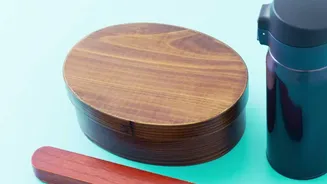
At first glance, a bento box is simply a lunch container with compartments. But its Japanese origins reveal a deeper philosophy rooted in balance, aesthetics, and convenience. Unlike the traditional stacked steel tiffin, which is designed for generosity
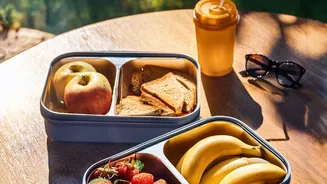
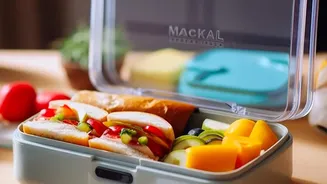
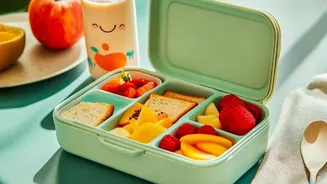
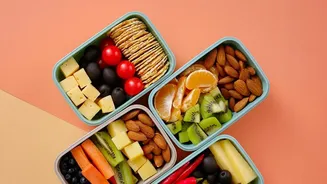
and warmth, the bento focuses on single, well-portioned meals where every element has its place. The core idea is to pack a variety of foods—typically a carbohydrate, a protein, and vegetables—in a way that is visually appealing and prevents flavours from mixing. This neat separation is a key part of its charm.
A Modern Solution for Indian Kitchens
The rise of the bento in India is driven by modern-day needs. With growing health consciousness, families are looking for ways to manage portion sizes and ensure a balanced diet, both for adults and children. The compact compartments of a bento box naturally encourage portion control. Furthermore, in an age of social media, the visual appeal of a neatly packed, colourful lunchbox is undeniable. Parents, in particular, are finding that the attractiveness of a bento can tempt even the pickiest eaters to try new things.
Giving the Bento an Indian Makeover
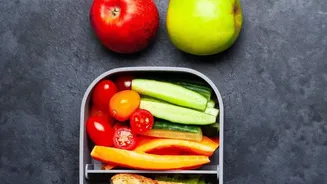
While the container may be Japanese, the food inside is getting a distinctly Indian twist. Families are creatively adapting their daily menus to fit the bento format. Instead of sandwiches and sushi, compartments are being filled with small portions of jeera rice, a scoop of dry sabzi, a few paneer cubes, or mini uttapams. A small, folded roti can be tucked into one section, while another holds a colourful carrot and cucumber salad. Some leak-proof bento models even allow for thicker dals or yogurt to be packed without spilling, addressing a key requirement for Indian meals. Cloud kitchens and delivery services have also caught on, offering fusion bento boxes with options like paneer teriyaki and masala rice balls.
Tackling the Picky Eater Problem
For parents of fussy children, the bento box has emerged as a secret weapon. The struggle to get kids to eat a varied and nutritious meal is a universal challenge. The bento's design helps by presenting food in a fun, less intimidating way. The small, distinct portions make different food groups look more approachable. A child who might refuse a large plate of mixed food may be more willing to nibble on small amounts of fruit from one compartment, vegetables from another, and a main dish from a third. The clear separation ensures that a disliked food doesn't 'touch' a favourite one—a common complaint from young eaters.
Convenience and Sustainability
Beyond nutrition and aesthetics, bento boxes offer practical advantages. The all-in-one design means fewer containers to pack and wash. It also significantly reduces the need for single-use packaging like plastic wrap and aluminum foil, making it an environmentally friendly choice. For working professionals in bustling cities, a compact, mess-free bento is a convenient and portable solution that fits perfectly into a modern, fast-paced lifestyle. This blend of convenience, portion control, and visual delight is what is helping the bento box carve a permanent space on the Indian lunch table.