







The Rush for Rainy Retreats
The perception of India's monsoon season is changing. Once a time to stay indoors, it is now one of the fastest-growing travel periods. Hotels in popular destinations like Goa, Kerala, and hill stations in Uttarakhand and Himachal Pradesh are seeing a surge
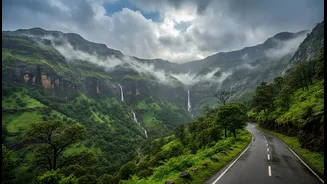
in bookings. Destinations such as Munnar, Coorg, Wayanad, and Lonavala have reported booking growth several times higher than last year. Travellers are drawn by the promise of emerald green hills, overflowing waterfalls, and a quieter, more immersive experience. This boom is also fueled by a shift towards shorter, more frequent trips and attractive deals offered by hotels. However, while prices might be lower, the hidden costs of a monsoon trip can appear if you’re not prepared.
Understanding the Real Weather Risks
The magic of the monsoon also comes with significant and unpredictable risks. Heavy rainfall doesn't just mean getting wet; it can lead to serious travel disruptions. The India Meteorological Department (IMD) frequently issues warnings for heavy to very heavy rainfall that can cause localised flooding, waterlogging, and traffic disruptions. In hilly regions like the Himalayas or the Western Ghats, this translates to a very real danger of landslides and mudslides, which can block roads for hours or even days. Areas like Lonavala, popular for weekend trips, can see ghat roads become risky due to poor visibility and falling stones. Flights and trains can also be delayed or cancelled, particularly in major hubs like Mumbai during intense downpours.
Decoding Hotel Cancellation Policies
This is where reading the fine print becomes crucial. Before you click 'book', understanding the hotel's cancellation policy is as important as checking the room's view. Policies can vary drastically. Some offer a full refund if you cancel a certain number of days in advance, while others are entirely non-refundable. A typical tiered policy might offer a 90% refund for a cancellation 60 days prior, but no refund if you cancel less than 72 hours before check-in. Look for terms like "force majeure" or "act of God" to see if weather-related events are covered. Often, they are not, leaving you to bear the cost. Always check the policy for specific dates, especially during peak seasons or weekends, when terms can be stricter. It's a two-minute read that can save you from losing money on a trip you couldn't take.
Your Pre-Booking Checklist
To travel smarter during the monsoon, a little prep goes a long way. First, always check official weather updates from sources like the IMD before and during your trip. When booking your stay, compare the cancellation terms offered directly by the hotel versus online travel agencies; sometimes booking direct gives you more flexibility. Take screenshots of the cancellation policy at the time of booking. This creates a record you can refer to if there's a dispute. Pay attention to hidden costs like resort fees or taxes that aren't included in the headline price. Finally, build buffer time into your itinerary. The very nature of monsoon travel means delays are possible, so a rigid schedule is more likely to break.
The Case for Travel Insurance
While a hotel's cancellation policy protects your accommodation costs, it won't help if your flight is cancelled or you face a medical issue. This is where travel insurance becomes a critical safety net. Though not mandatory for travel in India, it is highly recommended. A good travel insurance policy can cover non-refundable expenses from trip cancellations or interruptions due to weather, such as hotel bookings, flights, and pre-paid tours. It also offers protection against flight delays, lost baggage, and, most importantly, medical emergencies. Given that your standard health insurance is unlikely to cover you in another city or state, travel insurance provides crucial financial protection against the unexpected.