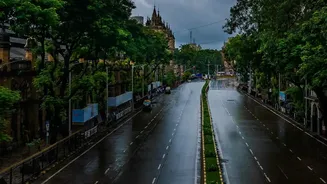




Decoding the IMD's Colour-Coded Warnings
The IMD uses a simple colour-coded system to communicate the severity of expected weather. Understanding these colours is the first step to planning your day effectively. Green (No Warning): This means weather conditions are normal and no specific advisory
is needed. You can proceed with your day as planned. Yellow (Watch/Be Aware): A yellow alert indicates the possibility of bad weather. It serves as a heads-up to stay updated, as conditions could worsen and cause minor disruptions to your daily routine. Orange (Alert/Be Prepared): This is a more serious warning. An orange alert is issued when heavy to very heavy rainfall is expected, which is likely to disrupt transport, power supply, and could lead to waterlogging. Preparation is key when you see this alert. Red (Warning/Take Action): This is the highest level of alert, signifying that extremely heavy rainfall is predicted. A red alert warns of a significant risk to life and property, with the potential for severe flooding and major disruptions to travel and essential services.
What a 'Yellow' Alert Means for Your Commute
When the IMD issues a yellow alert, think of it as a signal to be cautious. While it doesn't mean you need to cancel your plans, a little foresight can save you a lot of trouble. Check the weather forecast before you leave and consider allowing for extra travel time. Traffic may be slower than usual, and certain low-lying areas might experience some waterlogging. It’s a good day to carry an umbrella and ensure your electronic devices are in a waterproof bag. If you use public transport, keep an eye on live tracking apps for potential delays.
The 'Orange' Alert: Time to Step Up Preparations
An orange alert demands more than just awareness; it requires active preparation. Heavy rainfall is likely, meaning significant disruptions are possible. Before leaving for college or work, check traffic advisories from local authorities and use navigation apps to identify waterlogged routes to avoid. This might be a day to leave earlier than usual or consider if remote work or study is an option. For two-wheeler riders, ensuring your brakes and tyres are in good condition is crucial, and wearing brightly coloured rain gear will increase your visibility. Car drivers should maintain a safe distance from other vehicles and avoid driving through deep water, as hidden potholes or open drains can be a major hazard.
Responding to a 'Red' Alert: Safety First
A red alert is a clear signal that your safety should be the top priority. The IMD issues this when severe, potentially life-threatening weather is expected. In almost all cases, the best course of action is to avoid travel altogether. Many schools, colleges, and offices may declare a holiday. Follow the instructions from local disaster management authorities. If you are already on your commute when a red alert is issued or conditions become severe, find a safe, sturdy building to take shelter in and wait for the storm to pass. Do not attempt to walk or drive through heavily flooded areas.
Your Monsoon Commuting Survival Kit
Being prepared can make even the most challenging monsoon commute manageable. Consider keeping a small, dedicated kit in your bag during the rainy season. Essential items include a sturdy umbrella or a reliable raincoat for better protection. A waterproof bag or cover is a must-have to protect your laptop, phone, and important documents. A fully charged power bank can be a lifesaver if travel delays leave you stranded with a dying phone. It's also wise to carry a small microfibre towel, a bottle of drinking water, and some snacks in case your journey takes longer than expected. Keeping a basic first-aid kit and any personal medications is also recommended.