






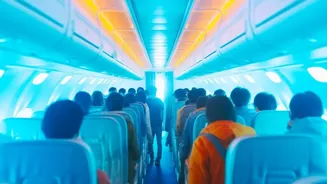
The High Cost of Travel Stress
According to SITA's 2026 Passenger IT Insights report, the stress associated with air travel has a real commercial impact. The survey, which included nearly 8,000 travellers across 24 countries, found that four in ten passengers have decided against booking
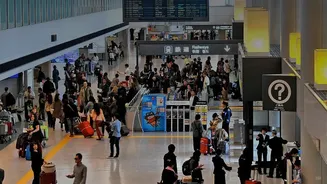
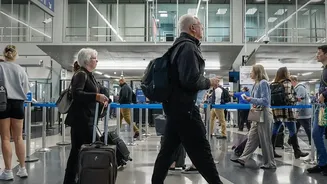
a trip because they anticipated it would be too stressful. This isn't just a minor inconvenience for the industry; it represents lost revenue from seats that were never booked. The problem is particularly pronounced among the most valuable customer segments: six in ten frequent flyers and more than half of travellers under 30 have been deterred by potential travel hassles. These findings send a clear message to airlines and airports: improving the passenger experience is no longer just about comfort, but a commercial necessity.
Delays and Baggage Woes Top the List
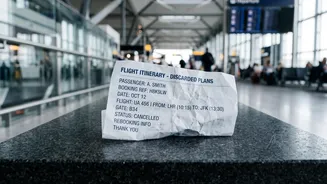
At the heart of passenger frustration are operational issues. The SITA report highlights that the most common problems experienced by travellers are flight delays, long waiting times, and poor baggage handling. The core of the anxiety isn't just the delay itself, but the lack of information that follows. Passengers crave real-time, proactive communication when plans change. Knowing a flight is rescheduled is one thing, but also knowing the new departure time, the updated gate, and the status of checked luggage is what truly puts minds at ease. This 'information gap' creates significant stress, especially in the period between clearing security and boarding the aircraft, where passenger anxiety has tripled since 2023.
A Call for Smarter Technology
While technology is a part of modern travel, passengers are demanding that it work better and more seamlessly. The research shows a strong belief that technology is the answer, with eight in ten travellers convinced it can reduce stress. There is a clear appetite for digital solutions that give passengers more control over their journey. This includes real-time notifications about their bags from check-in to collection, live information on security queue times displayed on airport screens, and the use of biometrics to create a more touchless journey. Interestingly, four in ten passengers are now comfortable receiving real-time updates from AI-powered systems, showing a growing trust in automated, intelligent communication.
The Way Forward for Indian Aviation
For India's rapidly growing aviation market, these insights are crucial. While the SITA report is global, its findings resonate deeply with the experiences of Indian flyers, who are increasingly tech-savvy and have high expectations for digital services. Other recent surveys have also highlighted specific issues within the Indian market, from poor customer service to a lack of timely communication about cancellations. The message from passengers is clear: they are willing to embrace technology, but it must be reliable and integrated. Airlines and airports that invest in systems that provide transparency and control—from biometric check-ins to real-time baggage tracking—will not only reduce passenger stress but also build loyalty and win back customers who might otherwise choose not to fly at all.