








Become a Tech-Savvy Commuter
Leaving home early is old advice; the modern student leaves smart. Before you even step out, use real-time traffic apps to your advantage. Tools like Google Maps, Waze, and the homegrown Mappls provide live updates on traffic conditions, waterlogging,
and accidents. These apps use data from thousands of users to show you where the snarls are, allowing you to choose a faster, clearer route. Many city traffic police departments also provide real-time updates on social media platforms like X (formerly Twitter). Following your local authorities' handle can give you crucial information on diversions and closures before the apps even catch up. Some local police forces, like in Kalimpong, have even launched their own apps for specific, landslide-prone highways.
The Ultimate Monsoon-Proof Kit
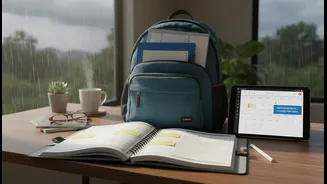
Your first line of defense is a well-packed bag. A sturdy raincoat and a strong umbrella are non-negotiable, but true preparedness goes deeper. Invest in a fully waterproof backpack to protect your books and, more importantly, your electronics. If that's not possible, use plastic bags or waterproof pouches to compartmentalize everything inside your bag—especially your phone, charger, and laptop. Always pack an extra pair of dry socks; changing into them upon reaching school or college can make a huge difference in comfort and hygiene. Keeping a small, quick-dry towel is another pro-move. And don't forget footwear. Sturdy, anti-skid waterproof shoes or sandals are essential for navigating slippery, uneven surfaces safely.
Build a Digital Safety Net
Sometimes, despite the best planning, the rain wins and you are stuck at home. Recent heavy rainfall has forced authorities in cities like Gurugram and Shivamogga to advise working from home or shut schools entirely. This is where digital preparedness is key. Before the monsoon sets in, make digital copies of important notes and assignments. Use cloud storage so you can access your study materials from any device. Create WhatsApp or Telegram groups with classmates to share updates on class schedules, notes from missed lectures, and coordinate on group projects. If your institution uses online learning platforms, ensure you have all necessary apps downloaded and logins handy. This ensures that a day of heavy rain doesn't become a lost day of learning.
Prioritise Your Health to Avoid Sick Days
The monsoon is notorious for bringing a spike in water-borne and vector-borne diseases like malaria and dengue. Falling ill can set you back far more than a single rain delay. Basic hygiene is your strongest shield. Wash your hands frequently, especially before eating. Be cautious about street food, particularly anything uncooked or served with water from doubtful sources, as contamination risks are higher during this season. Staying hydrated by drinking clean, filtered water is also crucial for flushing out toxins. A strong immune system is built on a good diet, so focus on home-cooked meals and nutrient-rich foods to keep your defenses up throughout the season.
Master Public Transport and Routes
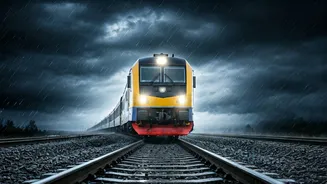
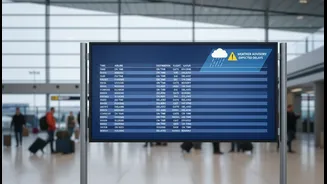
If you rely on public transport, the monsoon requires a different level of strategy. Heavy rains can disrupt train and bus schedules significantly. Apps like m-Indicator in Mumbai are invaluable, providing not just schedules but also live updates and chat forums where commuters share real-time information on delays. Before the season starts, identify and familiarize yourself with alternative routes to your destination. Knowing a backup way to get home, whether it's a different bus route or a combination of transport modes, can save you hours of being stranded. Always keep your travel cards topped up and have some cash on hand in case digital payments fail. Planning for carpooling with neighbours or classmates on extremely heavy rain days is another smart alternative.