




The Science of Smoothness
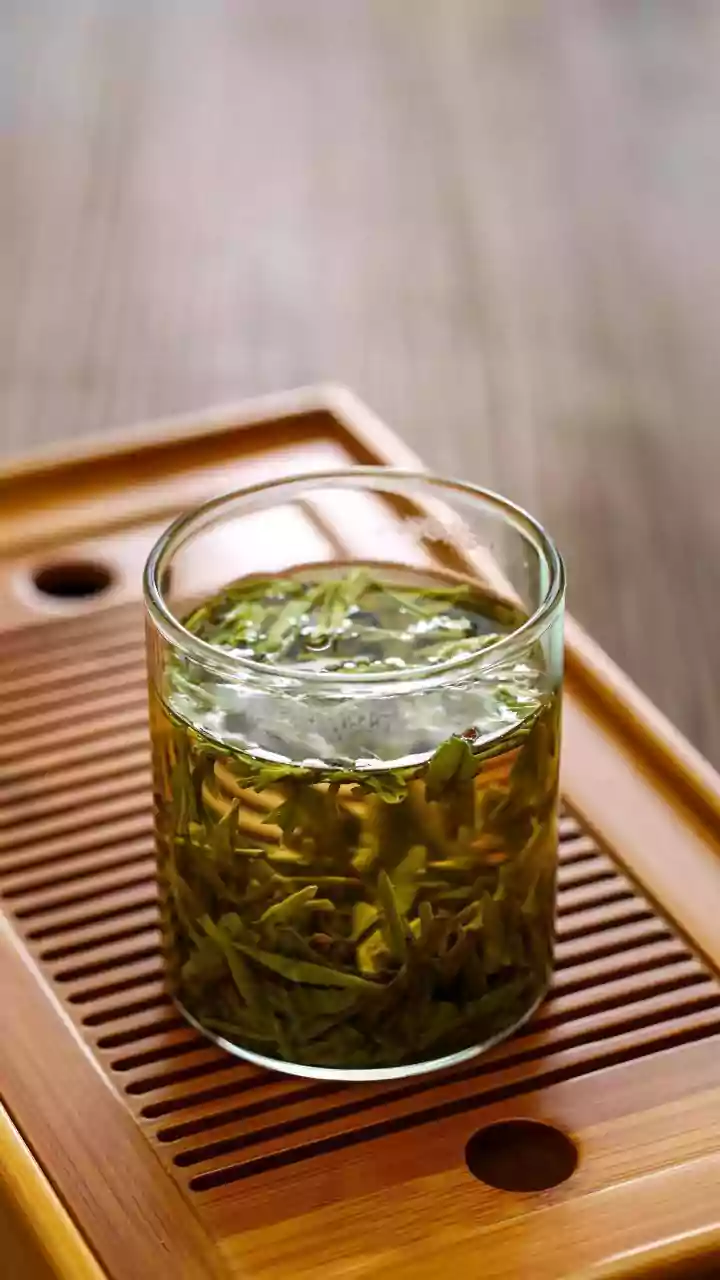
Cold infusion, or cold brewing, is the simple act of steeping tea leaves in cold or room-temperature water for an extended period—typically between 8 to 12 hours. Unlike hot water, which rapidly extracts all compounds from the leaf, cold water works slowly
and selectively. The main difference lies in tannins, the polyphenols responsible for the bitter, astringent taste you sometimes get in an over-steeped hot tea. Tannins are far less soluble in cold water. This gentle process results in a brew that is naturally sweeter, smoother, and significantly less bitter. It also extracts less caffeine, making it a refreshing, all-day beverage that's kinder to your stomach.
Why Single-Estate Teas Shine
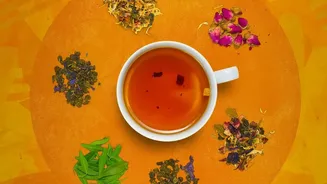
This technique is particularly magical for single-estate teas. These are teas sourced from one specific tea garden, not blended with leaves from other locations. Think of it like a single-origin wine; the tea's flavour is a direct expression of its unique terroir—the specific soil, climate, and altitude of the estate. India is home to exceptional single-estate teas from regions like Darjeeling, Assam, and the Nilgiris, each with its own delicate and complex profile. Hot brewing can sometimes overwhelm these subtle floral, fruity, or muscatel notes with a wave of bitterness. Cold infusion, however, preserves these fragile characteristics, allowing the true, nuanced personality of the tea to come forward in its purest form.
Enter Tulsi: The Perfect Aromatic Partner
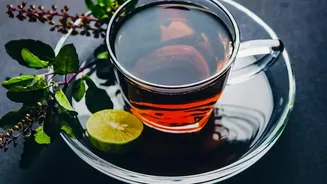
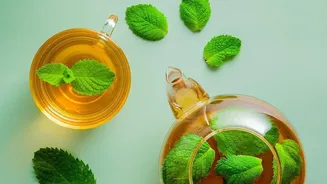
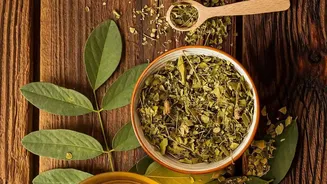
Pairing these delicate teas with Tulsi, or Holy Basil, creates a uniquely harmonious and healthful infusion. Revered in India for centuries as "The Queen of Herbs," Tulsi is an adaptogen known for its ability to help the body manage stress. Its flavour profile—peppery, slightly sweet, and wonderfully aromatic—makes it a perfect companion for cold brewing. When steeped in cold water, Tulsi’s volatile oils are gently extracted without being damaged by heat, resulting in a cleaner, more floral aroma and taste. It complements the subtle character of a single-estate tea without overpowering it, adding a layer of calming fragrance and creating a beverage that is both sophisticated and soothing.
Your Guide to Cold Infusion
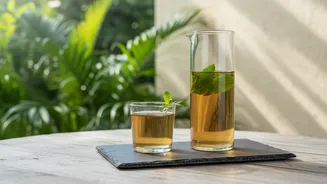
Making your own cold-infused tea is surprisingly simple and requires no special equipment. Here’s how to get started: 1. Choose Your Ingredients: Select a high-quality single-estate tea, such as a Darjeeling first flush or a floral Nilgiri tea. Use fresh or dried Tulsi leaves. About one to two teaspoons of loose-leaf tea and a similar amount of Tulsi per 250ml of water is a good starting point. 2. Combine and Steep: Place the tea and Tulsi leaves in a clean glass jar or pitcher. Pour cold, filtered water over them, stir gently, and cover the container. 3. Be Patient: Refrigerate the mixture for 8 to 12 hours, or overnight. The long, slow steep is where the magic happens, so don't rush it. 4. Strain and Serve: Once steeped, strain the leaves out using a fine-mesh sieve. Serve the cold brew as is or over ice. You might find it’s so naturally sweet that it doesn’t need any sugar at all. Your brew will stay fresh in the fridge for up to three days.