




The Old Way of Fighting Floods
For decades, managing urban stormwater has been a largely reactive process. Municipal teams have relied on historical data, seasonal drain cleaning schedules, and, ultimately, responding to citizen complaints once a street is already inundated. This approach
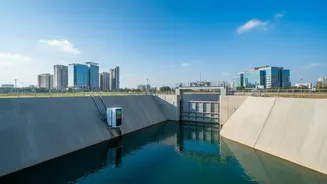
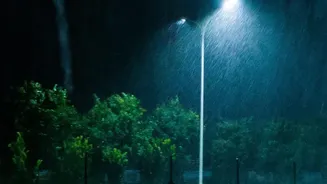
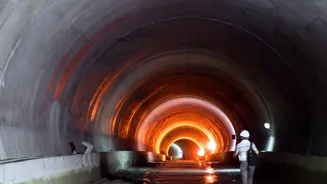
is like trying to heal a wound after it has already occurred. Workers manually inspect drains for blockages, and flood control gates, where they exist, are often operated based on delayed information. During a torrential downpour, this manual, delayed system is quickly overwhelmed. The consequences are predictable: widespread traffic disruption, damage to property and public infrastructure, and significant risks to public health and safety. With urban areas expanding and impermeable concrete surfaces replacing natural ground, traditional drainage systems are simply no longer adequate to handle the intense, concentrated rainfall of modern monsoons.
A City’s New Nervous System
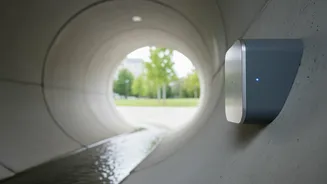
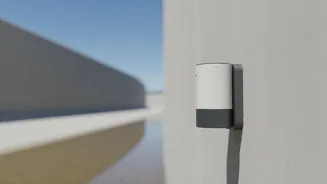
Enter the Internet of Things (IoT). Imagine a network of small, intelligent sensors placed at critical points throughout a city’s drainage system—in canals, underground pipes, and flood-prone intersections. These connected devices act as a digital nervous system for the city's water infrastructure. They continuously monitor key data points in real time: water levels, flow velocity, and even potential blockages detected by changes in pressure or flow. This information is then transmitted wirelessly to a central control hub. Instead of a blind, aging network of pipes, the drainage system becomes a smart, responsive grid that provides a live, second-by-second view of what’s happening underground.
From Reaction to Prediction
This is where the transformation truly begins. The constant stream of data from IoT sensors feeds into powerful analytical software. By using machine learning and artificial intelligence, these systems can identify patterns and predict problems before they escalate. For example, the system can detect a gradual reduction in water flow in a specific pipe, flagging a potential blockage from silt or waste long before it causes a complete backup. It can see that water levels in one part of the network are rising dangerously fast and, based on rainfall data, predict that a specific neighbourhood will flood within the next hour. This shifts the entire paradigm of stormwater management from a reactive exercise of damage control to a proactive strategy of prevention.
Enabling Smarter, Faster Action
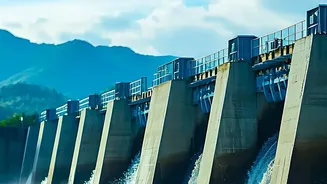
Predictive insights are only useful if they lead to action. IoT-enabled systems automate and accelerate this response. When the system predicts a flood, it can automatically send an alert directly to the mobile device of the nearest maintenance crew, pinpointing the exact location of the issue. This eliminates wasted time and ensures that resources are deployed efficiently where they are most needed. In more advanced setups, the system can even take direct control of infrastructure. It can operate smart gates to divert excess water flow to under-utilised parts of the drainage network or into holding reservoirs, balancing the load across the city. Simultaneously, this data can be used to power real-time public warning systems, alerting citizens to avoid certain routes and helping to prevent them from being stranded in floodwaters.
Challenges on the Path to Adoption
While the potential is immense, rolling out smart stormwater management systems is not without its challenges. The initial cost of deploying thousands of sensors and the supporting data infrastructure can be substantial. Integrating this new technology with older, existing drainage systems requires careful planning and engineering. Furthermore, ensuring data security and training municipal staff to effectively use these new tools are critical hurdles. However, several Indian cities are already moving forward, integrating IoT monitoring into their 'Smart City' and AMRUT scheme plans. Pilot projects in cities like Chennai and Chandigarh are demonstrating the value of this technology, providing a roadmap for wider adoption.