



Guarding Against Skin and Coat Issues
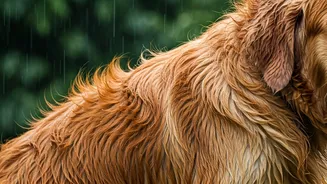
The constant dampness during the monsoon is a primary cause of skin infections in pets. When a dog's coat remains wet, it traps moisture against the skin, creating an ideal breeding ground for bacteria and fungi. This can lead to acute moist dermatitis,
commonly known as 'hot spots'—painful, inflamed, and oozing patches of skin that can appear suddenly and spread quickly. Fungal infections, particularly from yeasts like Malassezia, also thrive in humid conditions, causing itchiness, redness, and a foul odour, especially in skin folds, ears, and paws. To prevent this, thoroughly dry your pet with a clean towel after every walk, paying special attention to their belly, paws, and any skin folds. For long-haired breeds, using a pet-friendly dryer on a low heat setting can ensure their coat is completely dry. Regular grooming and brushing help remove tangles and dirt, improving air circulation to the skin.
Winning the War on Ticks and Fleas
The rainy season is peak season for parasites. Ticks and fleas flourish in the warm, humid environment, hiding in damp grass and bushes. These pests are not just an itchy nuisance; they are carriers for serious illnesses. Tick fever, which includes diseases like ehrlichiosis and babesiosis, is a significant threat that can be fatal if not treated promptly. Daily checks are crucial. After every walk, inspect your pet’s entire body for ticks, especially in hidden spots like between the toes, under the ears, around the neck, and near the tail. Using a fine-toothed flea comb can help you spot these parasites deep in the fur. It's vital to continue your pet’s year-round tick and flea prevention plan as recommended by your veterinarian, which may include spot-on treatments, oral medications, or medicated collars.
Protecting Paws from Puddles
Your pet’s paws are on the front line, coming into direct contact with muddy, contaminated water. Puddles can harbour harmful bacteria and germs that lead to paw infections. It is essential to clean and dry their paws thoroughly after every outing. A simple routine of washing their feet with lukewarm water and wiping them dry, especially between the toes, can prevent most issues. Trimming the hair between the paw pads can also reduce the amount of mud and moisture that gets trapped. For extra protection, you can consider using pet boots if your dog is comfortable with them, or applying a pet-safe paw balm to create a protective barrier.
Managing Tummy Troubles and Diet
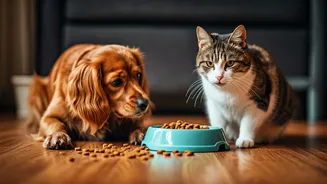
Digestive issues often spike during the monsoon. Pets may drink from contaminated puddles, which can expose them to water-borne diseases like leptospirosis, a serious bacterial infection that can be transmitted to humans. Always provide fresh, clean drinking water, and consider boiling it before cooling and serving to be extra safe. High humidity also causes food to spoil faster, so avoid leaving wet or home-cooked meals out for extended periods. Store dry kibble in airtight containers to keep it fresh and free from mould. If your pet has a sensitive stomach, a light, fibre-rich diet can help maintain good bowel health.
Keeping Them Active and Engaged Indoors
Fewer and shorter walks on rainy days can leave your pet with unspent energy, leading to boredom and restlessness. The key is to provide mental stimulation alongside physical activity indoors. Engage them with puzzle feeders, snuffle mats, or a simple game of hide-and-seek with treats to work their brain and sense of smell. A game of tug-of-war or indoor fetch in a hallway can help burn off physical energy. Even short training sessions to practice old commands or learn a new trick can be mentally tiring and a great bonding experience.
Easing Thunderstorm Anxiety
The loud claps of thunder and flashes of lightning can be terrifying for many pets, causing them to tremble, hide, or pace anxiously. It’s not just the noise; animals can also sense changes in barometric pressure and static electricity in the air before a storm hits. Create a 'safe space' for your pet, such as an interior room, a closet, or a crate covered with a blanket where they can retreat. Closing windows and playing some calming music or white noise can help muffle the storm's sounds. Stay calm yourself, as your pet will pick up on your anxiety. Offering a special chew toy or a lick mat can provide a welcome distraction and help soothe their nerves.