







The Science of Speed
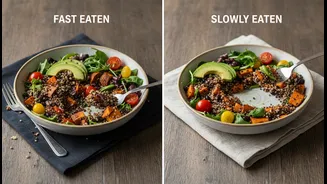
You might not think about it, but how quickly you finish your meal has drawn considerable interest from researchers. Multiple studies have found a consistent association between a faster eating speed and higher Body Mass Index (BMI). A systematic review
and meta-analysis of numerous studies confirmed that fast eaters tend to have a higher BMI compared to their slower-eating counterparts. The link isn't just about BMI; it also extends to other important body-composition measures. Research, including a 2026 study conducted in Gujarat, India, found that fast eaters showed significantly higher levels of visceral fat—the metabolically active fat stored around the organs. Many studies also connect fast eating to a larger waist circumference. These findings suggest that the habit of eating quickly is tied to measures of adiposity, or body fatness.
Your Brain on a Fast Meal
The connection between eating speed and weight isn't just a coincidence; it's rooted in our biology. It takes approximately 20 minutes for your stomach to send signals to your brain that it is full. This communication happens through the release of specific hormones that tell your brain you've had enough. When you eat too quickly, you can easily consume more food than your body needs before this crucial signal has a chance to kick in. This delay can lead to chronic overeating, which over time contributes to weight gain. Slowing down gives your gut-brain axis the time it needs to synchronise, allowing you to recognise feelings of fullness and stop eating when you are genuinely satisfied.
The Hormonal Connection
Two key hormones involved in this process are ghrelin and leptin. Ghrelin is often called the 'hunger hormone' because it stimulates appetite, while leptin is the 'satiety hormone' that signals fullness. When your stomach is empty, ghrelin levels rise, telling you to eat. After a meal, ghrelin levels fall and leptin levels rise, telling you to stop. Rapid eating can interfere with this delicate hormonal dance. By not giving your body enough time to respond to the food you've consumed, you may disrupt the normal suppression of ghrelin and the rise of leptin and other satiety hormones like peptide YY (PYY) and cholecystokinin (CCK). This hormonal disruption means you might not feel as full as you should, making you more likely to overeat.
Beyond Body Composition
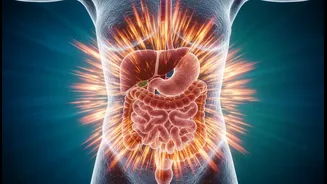
The consequences of eating too fast aren't limited to weight gain. Rushing through meals can also lead to poor digestion. Digestion begins in the mouth, where chewing breaks down food and saliva starts the enzymatic process. Swallowing large, poorly chewed pieces of food forces your stomach to work harder and can lead to discomfort, bloating, and indigestion. Fast eaters also tend to swallow more air, which can cause gas and bloating. Furthermore, rushing means you're less likely to savour the flavours and textures of your food, leading to a less satisfying and mindful eating experience.
Simple Tips to Slow Your Pace
Adopting a slower pace at mealtimes doesn't have to be complicated. One of the most effective strategies is to simply be more mindful. Put away distractions like your phone or the television and focus on your food. Try putting your fork or spoon down between each bite to build a natural pause into your meal. Chewing your food thoroughly is another powerful tool; it not only aids digestion but naturally slows you down. Sipping water during your meal can also help you pace yourself. You could even set a timer for 20-30 minutes and aim to make your meal last that long, giving your body's fullness signals ample time to work.