



Become a Sunlight Detective
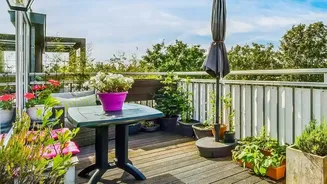
Before buying a single plant, the most crucial step is to understand the sunlight your balcony receives. Don't just guess if it's 'sunny'; observe it. Over a clear day, take note of when direct sun first hits your balcony and when it leaves. A spot is in direct sun if objects
cast a sharp, clear shadow. Soft, fuzzy shadows indicate bright, indirect light. You might find your balcony has multiple 'light zones'; the railing could get six hours of direct sun, while the area near your wall gets only two. Mapping this pattern helps you choose the right plants for the right spot, which is a foundational step for a thriving garden. As a general guide, six or more hours of direct sun is considered 'full sun', while three to six hours is 'partial sun'. Less than three hours is 'full shade'.
The Golden Rule of Watering
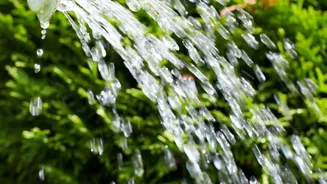
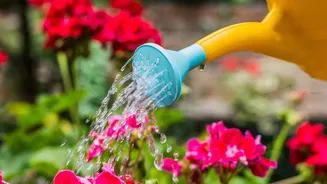
The most common mistake in balcony gardening is improper watering, often from following a rigid schedule. Plants in containers dry out faster than those in the ground due to wind and heat, but overwatering is just as deadly as underwatering. The solution is simple: check the soil first. Stick your finger about an inch or two into the soil. If it feels dry at that depth, it’s time to water. If it feels moist, wait another day. This 'finger test' is more reliable than any calendar. When you do water, do it thoroughly. Pour water slowly at the base of the plant, aiming for the soil, not the leaves, to prevent fungal diseases. Keep watering until you see excess draining from the holes at the bottom of the pot. This ensures the entire root ball is hydrated and helps flush out excess salts from the soil.
Creating a Simple Routine
While a strict schedule is a bad idea, a routine for checking your plants is not. The best time to water is in the early morning. This allows the plant to absorb moisture before the heat of the day, reducing evaporation and preparing it for afternoon sun. Watering in the evening is the next best option, but avoid it if you can, as persistently wet foliage overnight can encourage disease. Your routine should be to check the soil moisture each morning. As you do this, you'll naturally learn your plants' rhythms. A small terracotta pot in direct sun might need water daily in the summer, while a large pot in the shade may only need it once a week. Your observation is the most important tool you have.
Match Plants to Your Conditions
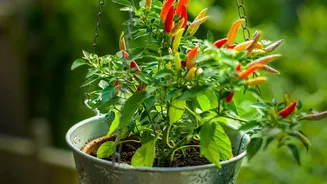
Once you know your balcony's light conditions, you can choose plants that will flourish. For sunny, hot balconies that receive over six hours of sun, consider hardy bloomers like Bougainvillea, Hibiscus, Marigolds, or Portulaca (Moss Rose). Herbs like Lavender also love the sun. For balconies with partial sun or only bright, indirect light, plants like Snake Plant, Money Plant, and Begonias are excellent choices. Many native Indian plants are well-adapted to local climates and can be very low-maintenance. Choosing plants suited to your environment is far easier than trying to make a plant adapt to the wrong spot. Also, ensure your pots have drainage holes, as this is non-negotiable for healthy roots.