

Beyond Your Everyday Dal
Most households tend to rely on one or two familiar pulses, like toor dal for sambar or chana dal for tadka. While any pulse is a good addition to your diet, falling into a 'dal rut' means you might be missing out on a wider spectrum of nutritional benefits.
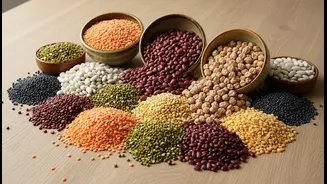
Different pulses—from moong and masoor to rajma and urad—each have a unique profile of proteins, vitamins, and minerals. By rotating them throughout the week, you provide your body with a more diverse and complete range of essential nutrients that no single dal can offer on its own. It's a simple shift that can significantly upgrade your nutritional intake without drastically changing your eating habits.
The Complete Protein Puzzle
One of the most significant benefits of varying your pulses is achieving a complete protein profile. Proteins are made of amino acids, and while most dals are rich in the amino acid lysine, they are often low in methionine. Grains like rice and wheat, on the other hand, are low in lysine but contain methionine. This is why the classic combination of dal and rice is so nutritionally sound. However, by rotating different pulses, you diversify the amino acids you consume even further. Urad dal, for instance, has one of the highest protein counts among common dals, while moong dal is known for being easily digestible. Mixing and matching ensures your body gets all the essential building blocks it needs for muscle repair and overall function.
A Rainbow of Micronutrients
Each pulse shines in its own way when it comes to micronutrients. Rajma (kidney beans) is a powerhouse of potassium and has one of the lowest glycaemic indexes, making it excellent for blood sugar management. Masoor dal (red lentils) is prized for its high iron and folate content, which are crucial for blood production and preventing anaemia. Urad dal is a fantastic source of calcium and phosphorus, contributing to bone health. Toor dal is exceptionally rich in folate, a B-vitamin essential for cell growth. By eating a variety, you ensure you're not just getting protein and fibre, but also a wealth of minerals like iron, magnesium, zinc, and potassium that are vital for everything from energy levels to heart health.
Fueling Your Gut Microbiome
A healthy gut is a diverse gut. The trillions of bacteria living in your digestive system, known as the gut microbiome, thrive on different types of fibre. Each variety of pulse contains a unique blend of fibres and resistant starches that feed different beneficial bacteria. For instance, research has shown that lentils and beans can significantly increase health-promoting bacteria like Akkermansia muciniphila, which is associated with reduced inflammation and a healthier metabolism. A varied diet of pulses helps cultivate a more diverse and resilient gut ecosystem, which in turn improves digestion, strengthens immunity, and can even impact your mood.
Your Weekly Pulse Playbook
Making variety a habit is easier than it sounds. The key is to plan ahead. Dedicate specific days to different dals to create a simple, repeatable rotation. Here’s a sample week to get you started: Monday: Light and easy-to-digest Yellow Moong Dal. Tuesday: Hearty and iron-rich Masoor Dal. Wednesday: Classic Toor Dal in a sambar or simple tadka. Thursday: Protein-packed Chana Dal, perhaps as a dry curry. Friday: Comforting Rajma Masala with brown rice. Saturday: Urad Dal, used in dosa, idli, or a creamy dal makhani. * Sunday: A creative mix, like Panchmel Dal (a mix of five lentils) to get a bit of everything.