






Why Calories Still Matter
Before we dismiss the calorie count, let’s be clear: it has its place. A calorie is a unit of energy, and understanding how much energy you consume versus how much you expend is a fundamental principle of weight management. If your goal is to lose, gain,
or maintain weight, being mindful of your total caloric intake is a practical and effective starting point. Think of it as your body's energy budget. Consuming significantly more calories than you burn will lead to weight gain over time, and vice versa. This basic equation is why calorie information became so prominent in the first place—it provides a straightforward metric for managing energy balance. For anyone beginning their health journey, it can be a valuable tool to gain initial awareness of the energy content in different foods.
More Than Just a Number
However, stopping at the calorie count is like judging a book by its cover. The quality of those calories is far more important for your overall health, energy levels, and long-term well-being. This is where the idea of a 'nutrition report card' comes in. A report card doesn't just give you a single score; it breaks down performance across multiple subjects. Similarly, a food's true value isn't captured by a single number. Two foods can have the exact same calorie count but have wildly different effects on your body. For instance, a handful of almonds and a can of sugary soda might have similar calories, but one provides healthy fats, fibre, and protein, while the other offers mostly 'empty calories' with little to no nutritional benefit.
The Quality of Your Calories
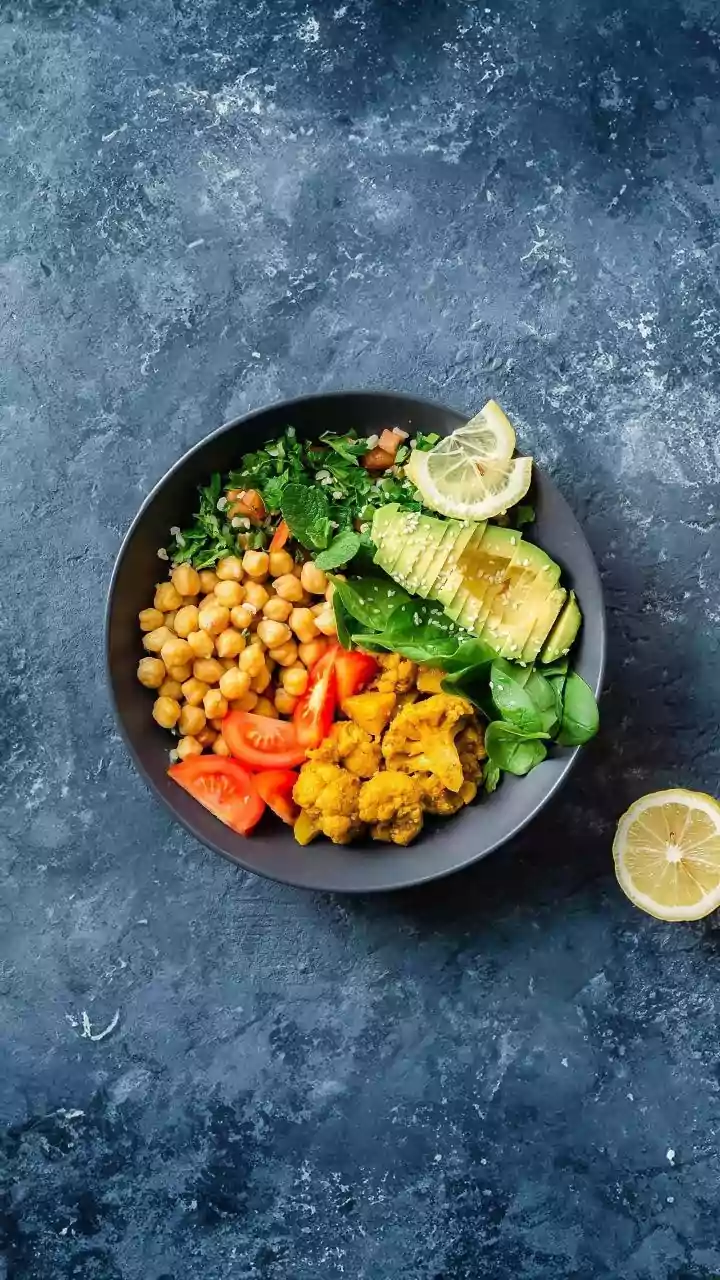
The key concept to grasp is nutrient density. This refers to the amount of beneficial nutrients—vitamins, minerals, protein, and fibre—a food contains relative to its calorie content. Nutrient-dense foods give you more nutritional bang for your caloric buck. Vegetables, fruits, whole grains, lean proteins, and legumes are all great examples. A diet rich in these foods keeps you feeling full and satisfied, stabilises blood sugar, and provides the building blocks your body needs to function optimally. In contrast, calorie-dense but nutrient-poor foods, like fried snacks (samosas, pakoras) and sweets, can lead to weight gain and leave you feeling fatigued because your body is still craving the nutrients it didn't receive.
Meet the Macronutrients
Beyond the total calorie count, the composition of those calories matters immensely. This is where macronutrients—protein, fat, and carbohydrates—come into play. Each plays a different role. Protein is crucial for building and repairing tissues and is highly satiating, meaning it helps you feel full for longer. Healthy fats are essential for hormone production and brain health. Complex carbohydrates, found in whole grains and vegetables, provide sustained energy. A food's report card should include a good balance of these macros. A low-calorie snack that's all sugar and refined carbs will likely cause an energy spike followed by a crash, leaving you hungry again soon after. A snack with protein and fibre will sustain you for hours.
Reading the Full Story
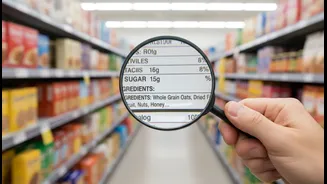
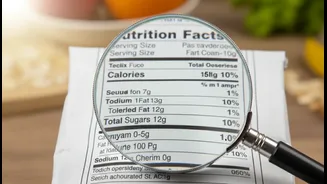
So, how do you look beyond the calorie count? By reading the entire nutrition label. In India, FSSAI guidelines mandate that labels provide a wealth of information. After glancing at the calories, check the serving size, as all the numbers are based on that amount. Then, look at the macronutrients. Pay attention to dietary fibre, which aids digestion and satiety, and protein. Be wary of 'Added Sugars,' as these are the empty calories you want to limit. Finally, scan the ingredients list. Ingredients are listed in descending order by weight, so the first few items make up the bulk of the product. If sugar or refined flour (maida) are at the top, it’s a red flag, even if the calorie count seems reasonable.