








The Brain-Gut Disconnect
One of the most significant consequences of eating too fast is the disruption of communication between your stomach and your brain. It takes approximately 20 minutes for hormonal signals, like leptin, to travel from your gut to your brain to register
that you are full. [2, 7, 19] When you eat rapidly, you can easily consume more food than your body needs before this natural fullness cue kicks in. [2, 20, 21] This consistent overconsumption is a primary driver of weight gain, with research showing that fast eaters are significantly more likely to be overweight or obese compared to their slower-eating counterparts. [7, 22]
The Risk of Metabolic Syndrome
The habit of fast eating is strongly linked to an increased risk of metabolic syndrome, a cluster of conditions that includes high blood pressure, excess belly fat, high cholesterol, and high blood sugar. [2, 5, 15] These factors dramatically increase your risk for heart disease, stroke, and type 2 diabetes. [16] Studies have shown a direct correlation between eating speed and the incidence of metabolic syndrome. One five-year study found that fast eaters had an 11.6% chance of developing the syndrome, compared to just 2.3% for slow eaters. [8, 12, 16] Experts believe this is because rapid eating can cause larger fluctuations in glucose and lead to insulin resistance, a key precursor to type 2 diabetes. [8, 20, 22]
Digestive Distress and Poor Nutrition
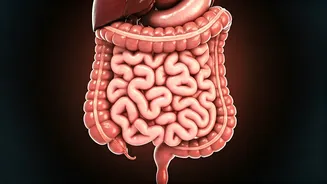
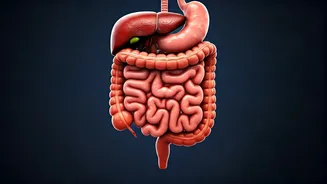
The digestive process begins in your mouth. [7] Chewing thoroughly not only breaks down food into manageable pieces for your stomach but also mixes it with saliva, which contains enzymes that kick-start digestion. [2, 6] When you eat too fast, you tend to take larger bites and chew less, forcing your stomach to work harder to break down the food. [6, 9] This can lead to a host of uncomfortable issues, including indigestion, bloating, gas, and acid reflux. [2, 6, 15] Swallowing excess air while rushing through a meal is a common cause of bloating and discomfort. [2, 23] Over the long term, insufficient chewing and poor digestion can also mean your body isn't absorbing all the available nutrients from your food. [2, 9]
Simple Strategies to Slow Down
Breaking the habit of fast eating doesn't require a drastic lifestyle overhaul. It's about building mindfulness into your meals. A great first step is to set aside a dedicated time for eating—ideally at least 20-30 minutes per meal—without distractions like your phone or the TV. [4, 12] Pay attention to the flavours and textures of your food. [3, 13] Another effective technique is to consciously put your fork or spoon down between bites. [3, 10] This simple pause allows you to chew more thoroughly—aiming for 15 to 30 chews per bite can be a helpful goal. [4] Sipping water throughout the meal can also help you pace yourself and aids in digestion. [4, 13]