


The Middle-Order Muddle
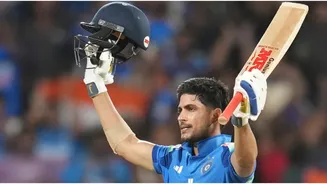
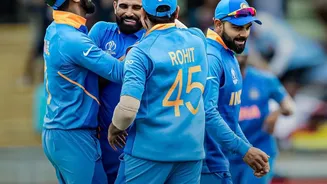
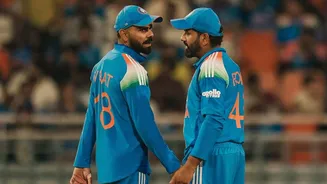
For years, India’s top order, featuring titans like Rohit Sharma and Virat Kohli, has been its engine room. They were formidable again in this series, with Shubman Gill's record-breaking double-century in a historic chase in Guwahati a clear highlight.
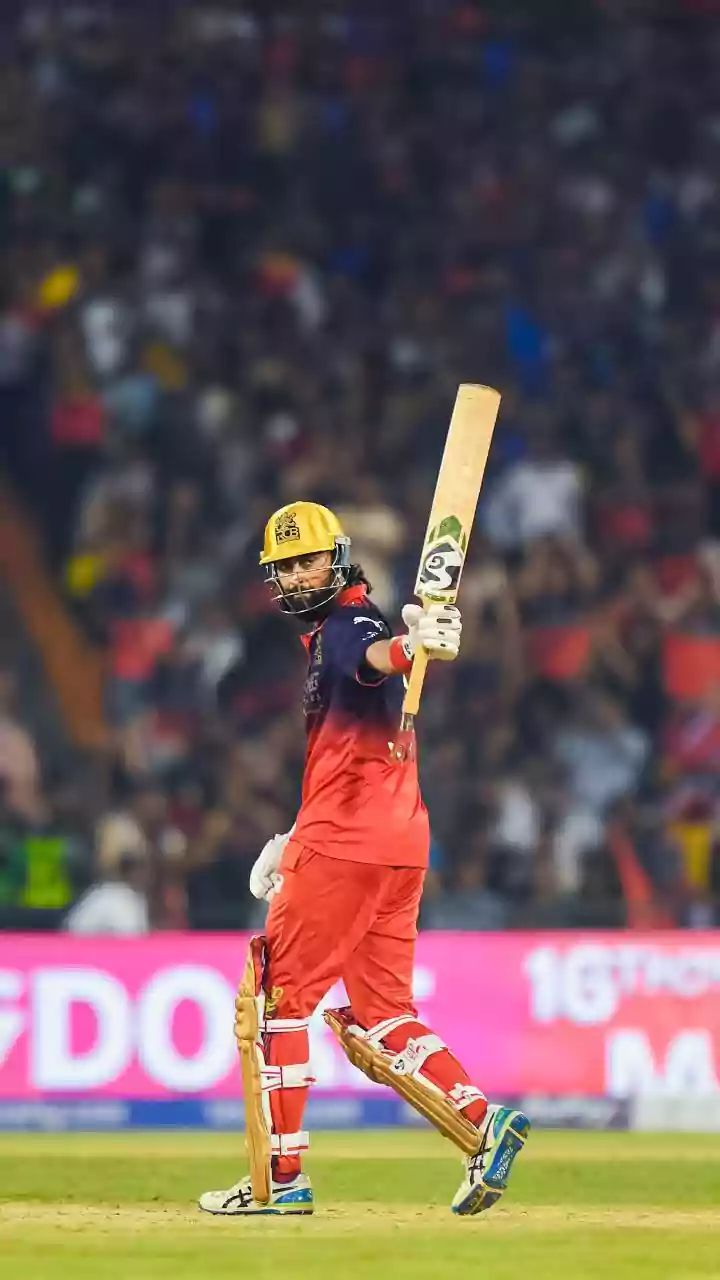
However, the age-old problem remains: what happens when the top three fail? The team's middle order continues to look unsettled. In a previous series against England, a collapse from 178/3 saw India bowled out for a paltry 233, a scenario that has repeated itself in crucial knockout games. The recent series offered glimpses of this fragility again. While KL Rahul's brilliant 129 in the final ODI showcased his class, it came in a losing effort where the team couldn't defend a massive 351 runs. The reliance on individual brilliance, rather than a settled and reliable unit at numbers four, five, and six, is a high-risk strategy. The 2027 World Cup will be played in South Africa, where conditions can often challenge the top order. Without a dependable middle order to absorb pressure and rebuild, India's campaign could be derailed before it even begins.
The Search for a Finisher
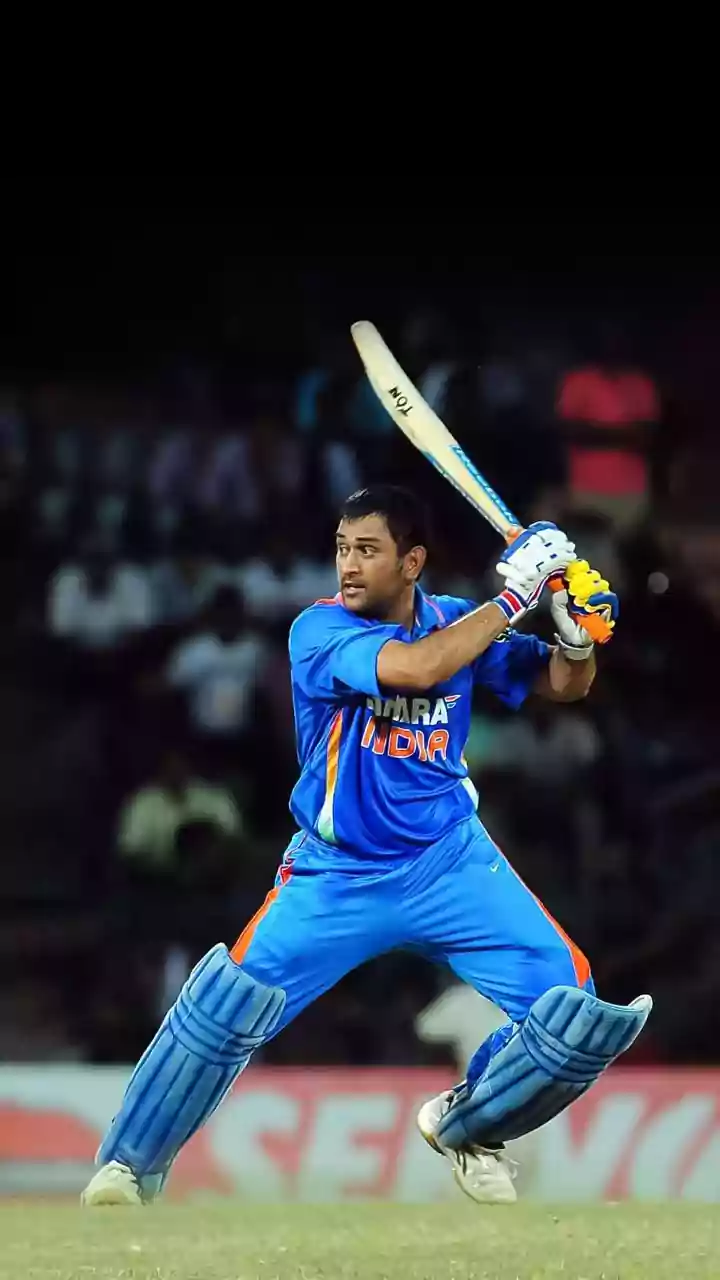
Since the heyday of MS Dhoni, India has struggled to find a player who can consistently own the finishing role. A finisher isn't just a power-hitter; they are calculated players who can absorb pressure, manipulate the field, and steer the team home in tense run-chases. The loss in the final ODI against the West Indies was a classic example of this void. After setting a formidable target of 352, India's bowlers couldn't contain Shai Hope, who masterfully anchored the chase with an unbeaten 162. This exposed not just bowling frailties but also highlighted what India's batting lineup often lacks in the late stages of an innings. While players are being groomed for the role, there is a clear difference between providing a late flourish and controlling the game's final phase. The pressure of a World Cup knockout match is immense, and games are often won or lost in the final ten overs. India needs to identify and back a player who demonstrates the unique temperament required for this specialist job, someone who, like Dhoni, can remain calm and back themselves to get the team over the line when it matters most.
The All-Rounder Imbalance
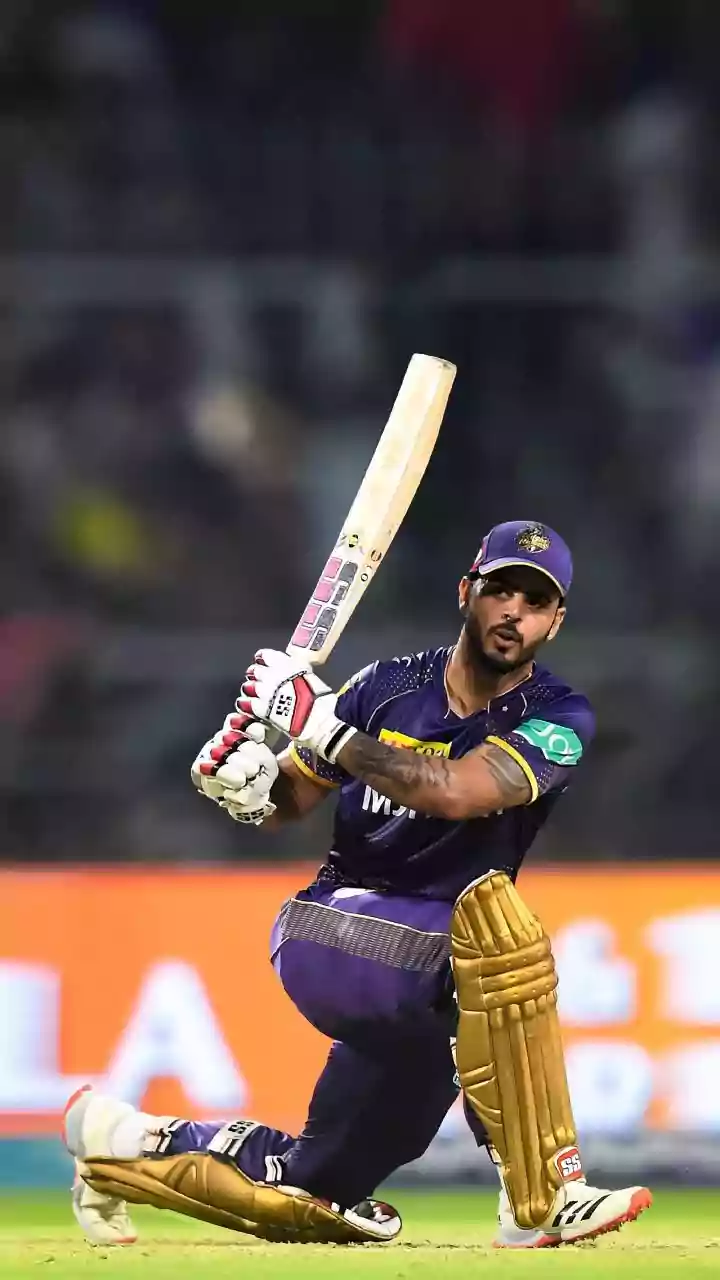
Team balance is everything in ODI cricket, and the key to that balance is often a genuine pace-bowling all-rounder. Hardik Pandya's recurring injury concerns have left a gaping hole in the squad's structure. His absence forces the team into a difficult choice: play an extra batter, which weakens the bowling, or play an extra bowler, which leaves the batting thin. During the West Indies series, India experimented by giving all-rounder Nitish Kumar Reddy a chance, but he was dropped for the second ODI, leading to confusion about the team's strategy. This constant search for a sixth bowling option creates instability. The lack of a reliable all-rounder puts immense pressure on the five specialist bowlers, a fact highlighted by the over 1000 runs conceded across the three ODIs against the West Indies. With Jasprit Bumrah and Mohammed Siraj not playing the full series, the reserve bowlers were exposed. For a long tournament like the World Cup, having a player who can reliably bowl 7-8 overs and bat effectively at number six or seven is non-negotiable. It provides the captain with flexibility and covers for a frontline bowler having an off day. Without solving this puzzle, India will always seem a player short.