



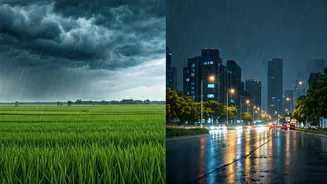



An Anxious Start to the Season
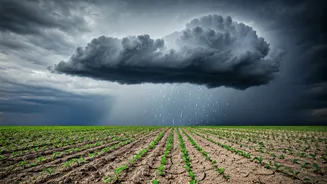
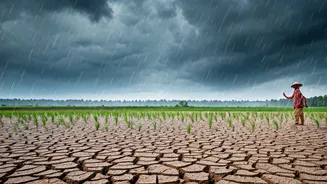
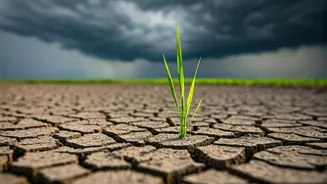
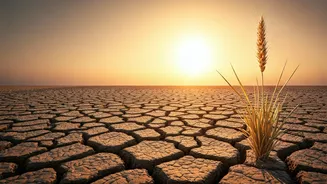
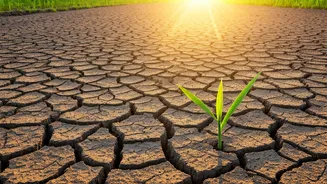
The 2026 southwest monsoon has had a sluggish start, raising concerns across the country. After one of the driest Junes in over a century, with a nationwide rainfall deficit of nearly 40%, the India Meteorological Department (IMD) has forecast a below-normal
July. This projection, influenced by strengthening El Niño conditions, points to potential stress on agriculture and water resources. The slow progress has already had a tangible impact, with the sowing of crucial kharif (summer) crops like rice, pulses, and oilseeds significantly lagging behind last year's figures. As of late June, overall kharif sowing was down by more than 22% compared to the same period in 2025, a direct consequence of the rainfall deficit.
The Direct Line to Your Kitchen Budget
The performance of the monsoon has a direct and immediate impact on food inflation. A good monsoon season is essential for the vast rain-fed agricultural lands where a majority of India's food is grown. Healthy rains lead to bountiful harvests of key staples, which helps keep prices at the market stable. Conversely, a weak or erratic monsoon, like the one being experienced, can lead to lower production. This year, the delayed rains have caused a significant drop in the sown area for rice, pulses, and oilseeds. Such supply-side shocks can quickly translate into higher prices for consumers, affecting everything from daily vegetables to essential cooking oils and pulses. While government policies like Minimum Support Prices (MSP) also play a role, a poor monsoon remains a primary driver of food inflation, impacting the budget of every household in the nation.
Replenishing the Nation's Water Supply
Beyond the fields, the monsoon is critical for replenishing India's water sources. The four-month season accounts for over 70% of the country's annual rainfall, filling rivers, lakes, and reservoirs that supply water for drinking, industry, and hydropower. The weak start to the 2026 monsoon has put reservoir levels under pressure. As of late June, water levels in the country's 166 key reservoirs had dropped, standing at around 26% of their total capacity. While this is still slightly above the ten-year average for this time of year, it is considerably lower than the levels seen in 2025. The situation is particularly concerning in parts of southern and eastern India, where reservoir levels are below normal. Major urban centers are also feeling the strain; in Mumbai, for instance, water stock in its seven supply reservoirs has fallen to below 7% of capacity, a stark contrast to nearly 40% at the same time last year.
The Ripple Effect on the Economy
The monsoon's influence extends deep into the national economy. The agricultural sector, which employs nearly half of India's workforce, is heavily dependent on these seasonal rains. A strong agricultural performance boosts rural incomes, which in turn fuels demand for goods and services, from tractors and motorcycles to fast-moving consumer goods. A weak monsoon has the opposite effect, dampening rural demand and potentially slowing overall GDP growth. It also complicates the government's fiscal planning. A poor monsoon may force increased spending on drought relief, subsidies, and potentially food imports, straining the national budget. Furthermore, the Reserve Bank of India closely monitors the monsoon's progress, as its impact on food inflation is a key factor in monetary policy decisions, including setting interest rates.