



What the Major Review Found
A sweeping scientific review published in July 2026 looked at more than 350 individual studies on protein and aging. The findings challenge the popular idea that more protein is always better. The researchers concluded that for many people, especially
those who are not very physically active, consuming less protein might actually be linked to better health outcomes, including improved metabolism and even a longer, healthier life. This large-scale analysis found that restricting protein can trigger biological pathways associated with healthier aging, reduced inflammation, and better cell function. This doesn't mean protein isn't essential; it is a vital building block for muscle and bodily functions. However, the review suggests that for the average sedentary person, consuming excess protein may have negative consequences.
From Protein Quantity to Diet Quality
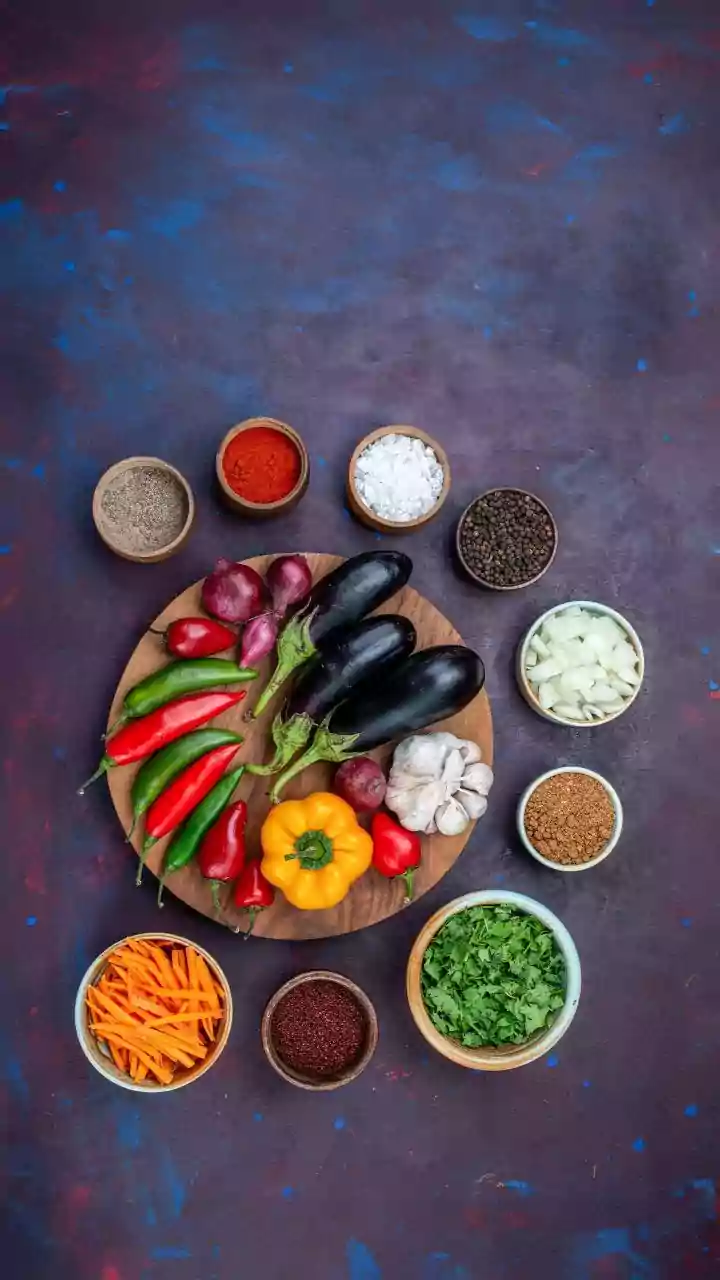
The key takeaway from this massive review is a shift in focus from counting protein grams to assessing overall 'diet quality'. So, what does that mean? Diet quality isn't about a single nutrient; it refers to the entire pattern of your food intake over time. A high-quality diet is typically rich in unrefined, minimally processed foods. Think whole grains, fruits, vegetables, legumes, and healthy sources of fat and protein. Conversely, a low-quality diet is heavy on processed foods, sugary drinks, and refined grains. The science increasingly shows that a high-quality dietary pattern is more important for long-term health and preventing weight gain than focusing on any single number, like calories or grams of protein.
It's Not Just How Much, But From Where
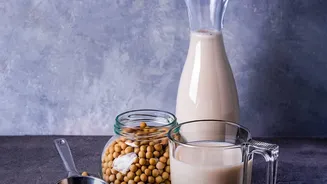
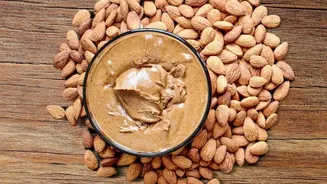
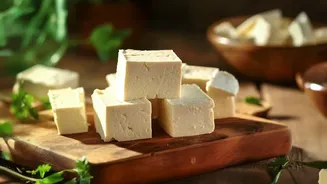
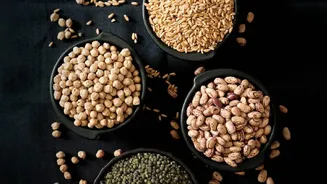
The source of your protein matters immensely. Research consistently shows that plant-based proteins, found in foods like dal, chickpeas, tofu, nuts, and seeds, are linked to better health outcomes and a lower risk of chronic diseases. Animal proteins, like meat and dairy, can also be part of a healthy diet, but the emphasis should be on lean choices like skinless chicken, fish, and low-fat dairy. Many processed high-protein snacks and meats can be loaded with sodium, unhealthy fats, and additives that detract from their health benefits. Choosing whole-food protein sources ensures you also get a host of other beneficial nutrients, such as fibre, vitamins, and minerals, which are crucial for a high-quality diet.
Putting It on Your Plate in India
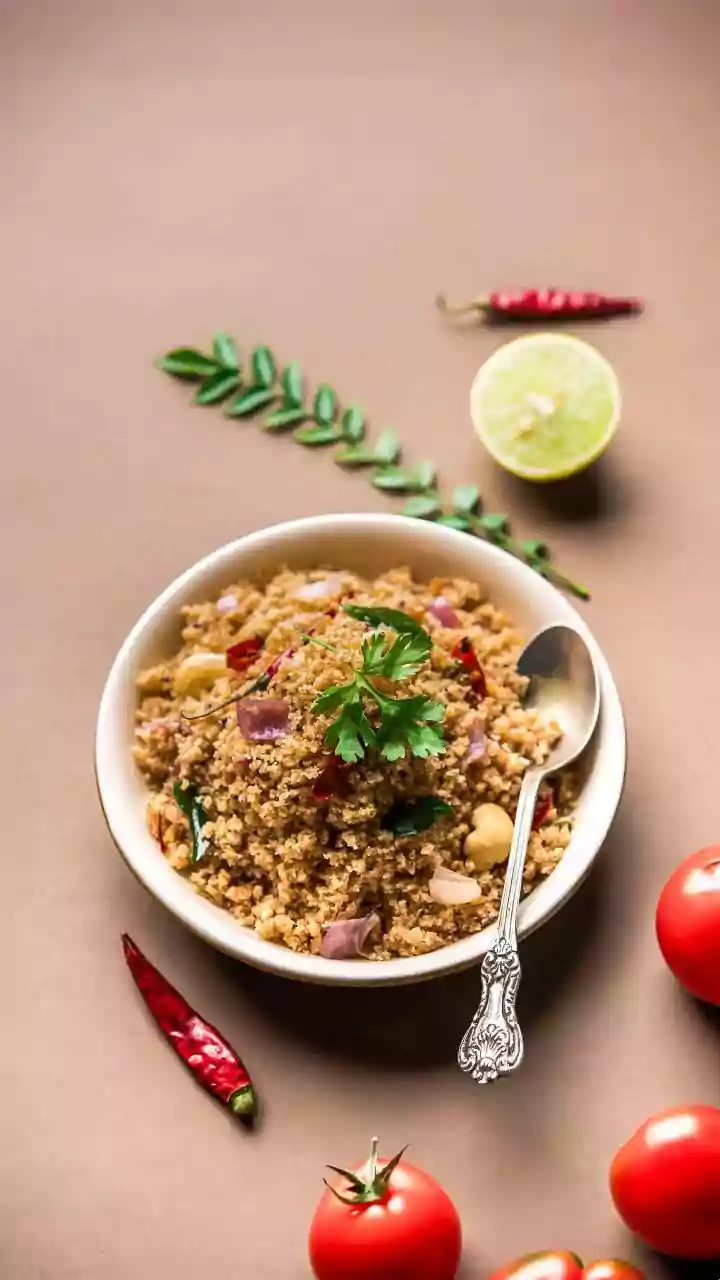
This modern scientific perspective aligns well with traditional Indian eating patterns. A classic thali, for instance, is a perfect example of diet quality in action. It naturally balances a protein source (like dal, sambar, or curd) with complex carbohydrates (roti or brown rice), fibre-rich vegetables (sabzi), and healthy fats. This combination ensures a balanced intake of macro and micronutrients. Instead of fixating on a protein shake, consider how you can improve the quality of your meals. Can you add a katori of dal or a handful of nuts to your diet? Can you swap white rice for whole grains or add an extra serving of vegetables? These small, consistent upgrades to your overall diet quality are likely more beneficial than simply adding more protein powder to your routine.