
More Than Just a Pretty Pot
The impulse to fill our homes with plants is an ancient one, rooted in what is known as 'biophilia'—the innate human need to connect with nature. In dense urban landscapes, where private gardens are a luxury, the kitchen has become the new frontier for
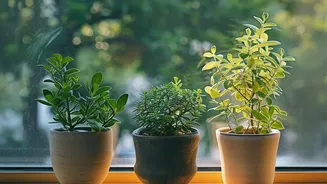
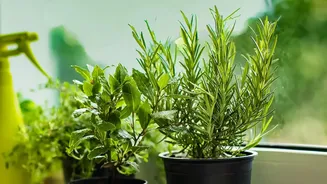
this connection. The trend reflects a broader movement towards creating homes that are sanctuaries. Designers call this biophilic design, and its principles are simple: incorporate natural elements like plants, light, and organic materials to create spaces that actively improve our well-being. Studies have shown that interacting with indoor plants can lower stress, improve mood, and make us feel calmer and happier. That pot of mint on your windowsill isn't just a plant; it's a small, daily dose of nature therapy.
The Edible Indoors
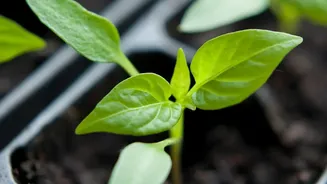
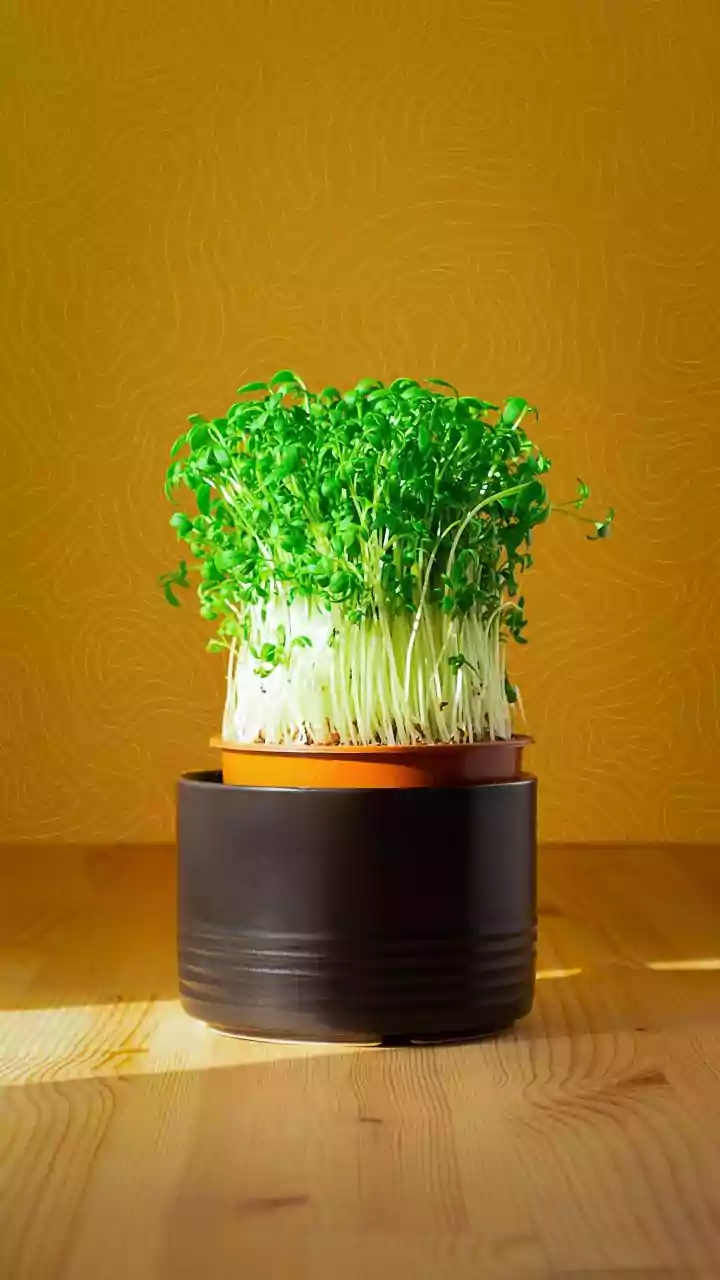
What makes the kitchen gardening trend particularly potent is its fusion of aesthetics and utility. This isn't just about leafy ferns; it's about growing food. The practice of cultivating herbs, microgreens, and even small vegetables like chillies and tomatoes indoors has exploded. This shift is closely tied to a growing consciousness around wellness and food sourcing. Having fresh, organic produce at your fingertips speaks to a desire for healthier living and a rejection of the long, opaque supply chains of industrial food systems. The satisfaction of snipping fresh basil for a sauce or mint for tea provides a tangible link between home and health, turning the act of cooking into a more holistic and rewarding experience. For many, it's a practical step towards sustainability and self-sufficiency, even on a small scale.
An Antidote to Digital Life
In a world dominated by screens and relentless connectivity, the simple, tactile act of caring for a plant offers a powerful counterbalance. The ritual of watering, pruning, and observing a plant’s growth requires a gentle, mindful focus that pulls us into the present moment. This nurturing process can provide a sense of purpose and routine, which research suggests is beneficial for mental health. For younger generations in particular, who often face high levels of stress and may be delaying major life commitments like home ownership or starting families, 'plant parenting' has become a meaningful way to care for a living thing without a huge commitment. The slow, quiet growth of a plant is a calming contrast to the fast-paced, often chaotic nature of modern life, offering a small but significant anchor.
Smart Design for Small Spaces
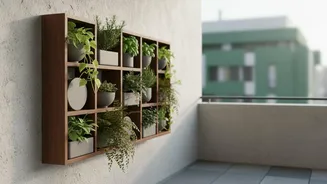
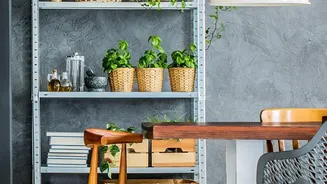
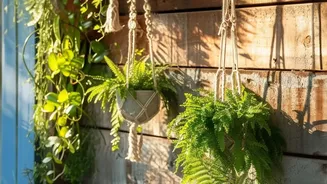
The trend's growth has been fuelled by innovative products that make indoor gardening accessible to everyone, regardless of space or experience. Vertical gardens, wall-mounted planters, and tiered ladder shelves are transforming unused wall space into lush green features, a popular solution in compact Indian apartments. Smart indoor gardens with built-in LED grow lights and self-watering systems have taken the guesswork out of plant care, promising a successful harvest even for beginners. This blend of technology and nature shows we are not just bringing plants indoors, but thoughtfully integrating them into our homes. The aesthetic has also evolved, with stylish pots and planters becoming decor statements in their own right, proving that function and beauty can coexist harmoniously in the modern kitchen.