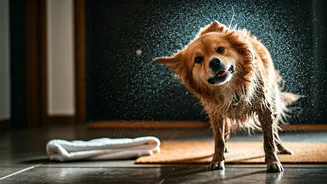







1. Create a 'De-Mudding' Station
Preparation is half the battle won. Before you even step out, designate a spot right by your entrance as a cleaning zone. This could be a balcony, a utility area, or just inside your front door on an old, absorbent mat or a stack of newspapers. Keep all
your supplies here in a waterproof basket: a few old, highly-absorbent towels, a spray bottle with plain water, a paw-cleaning tool (like a silicone paw washer), and a brush. Having everything in one place means you can tackle the mess immediately, preventing your excited dog from tracking mud all through the house. This simple setup turns a chaotic cleanup into a predictable, manageable ritual that both you and your pet can get used to.
2. Tackle the Paws First
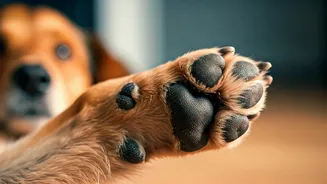
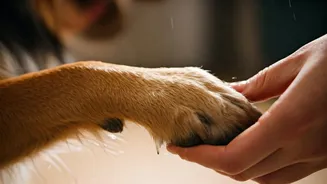
Paws are ground zero for mud, moisture, and potential trouble. They don't just carry dirt; they can harbour bacteria and fungi that thrive in damp conditions, leading to painful infections like pododermatitis. Start by using a towel to wipe off the biggest clumps of mud. For a deeper clean, use a silicone paw washer or a soft cloth dipped in lukewarm water. Gently clean between the paw pads and around the nails, as this is where moisture and debris get trapped. Pat the paws completely dry with a separate, clean towel. This step is non-negotiable, not just for cleanliness but for your dog's long-term paw health.
3. Master the Towel-Dry
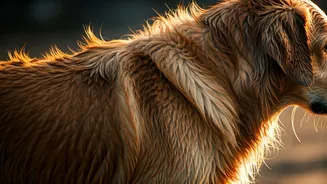
A damp dog is not a happy or healthy dog. Lingering moisture in their coat can lead to skin irritations, hot spots, and that persistent 'wet dog' smell caused by yeast and bacteria. Use a high-absorbency microfiber towel for the best results. Instead of rubbing vigorously, which can cause fur to mat and tangle, use a blotting and squeezing motion. Start with the back, move to the sides, and don't forget the belly, legs, and tail. For dogs with long or double coats, this step is especially crucial. A quick once-over isn't enough; you need to ensure the undercoat is not holding onto moisture. Investing in a couple of pet-specific towels will make the process much more efficient.
4. Brush Out Remaining Dirt
Once your dog is mostly dry, a thorough brushing is the final step to remove any lingering dirt, leaves, or burrs that the towel missed. Brushing also helps to aerate the coat, speeding up the final drying process and preventing mats from forming, which can pull on the skin and become very painful. Use a brush appropriate for your dog's coat type—a slicker brush for long-haired breeds or a rubber curry comb for short-haired ones. This also gives you a chance to check for any ticks or fleas that may have hitched a ride during your park adventure. A few minutes of brushing post-walk can save you hours of detangling later.
5. Know When a Bath is Necessary
A daily wipe-down is usually sufficient, but some rainy walks are messier than others. If your dog has rolled in a particularly large mud puddle or has gotten into something foul-smelling, a full bath is unavoidable. However, be mindful not to over-bathe your dog, as frequent washing with shampoo can strip their skin of natural oils, leading to dryness and irritation. When a bath is needed, use a gentle, vet-approved dog shampoo and lukewarm water. Make sure to rinse thoroughly to remove all soap residue and dry them completely, paying extra attention to ears and skin folds. For most monsoon walks, the 'de-mudding' station routine will be more than enough to keep them clean and comfortable.