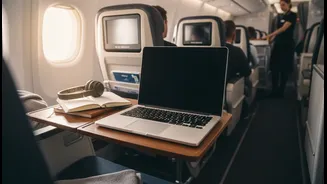









The Rise of the 'Bleisure' Trip
The worlds of business and leisure have collided in the form of 'bleisure' travel, a trend where professionals extend work trips for personal holidays. While it sounds like the perfect arrangement, it often creates a messy reality. Instead of two distinct
experiences, we get one blended, semi-stressful one. The work portion is diluted by thoughts of the coming vacation, and the leisure time is punctured by lingering work obligations. Technology makes it easy to stay connected, but this constant access has a downside. It tricks our brains into thinking we can do both simultaneously, when in reality, we end up doing neither well. The result is a trip that is neither truly productive nor genuinely restful.
The Hidden Costs of a Blended Itinerary
When you don’t mentally commit to either work or rest, you pay a price. Psychologically, the inability to disconnect from work is a primary driver of burnout. Your brain needs time to switch off and recover. Without a real break, stress levels remain high, focus diminishes, and creativity suffers. A trip that’s meant to be relaxing becomes a source of low-grade anxiety, as you check emails by the pool or take calls during family time. Professionally, this approach is just as damaging. Studies have shown that employees who take proper vacations are actually more productive and perform better upon their return. By failing to truly unplug, you deny yourself the very rest that would make you better at your job.
The Power of a Pre-Flight Decision
The solution is simple but requires discipline: decide the purpose of your trip before you even book the flight. Is this a 'Work Trip' or a 'Rest Trip'? This isn't just about semantics; it's about setting a powerful intention that will guide your actions, from how you pack to how you manage your time. Mentally preparing for your trip’s purpose helps establish clear boundaries. If it’s a work trip, you are there to achieve specific professional goals. If it’s a rest trip, your only goal is to disconnect and recharge. This binary choice eliminates the grey area where stress and inefficiency thrive. By making a conscious decision beforehand, you give yourself permission to fully commit to one mode, making the experience more effective and fulfilling.
Your 'Work Trip' Mindset and Checklist
A successful work trip is about maximising efficiency and minimising friction. Your goal is to be present, focused, and productive. Before you go, create a detailed to-do list with clear objectives for the trip. Plan your schedule tightly, but leave small pockets of free time for unexpected tasks or a brief mental break. Pack smart: bring only what you need for business, including casual attire for networking dinners. Use travel time, like flights and layovers, for low-energy tasks such as clearing emails or catching up on reading. To stay focused, try to maintain your home routine as much as possible, especially your sleep schedule. The aim is to hit the ground running, accomplish your goals, and return with a sense of achievement, not exhaustion.
Your 'Rest Trip' Manifesto and Rules
A rest trip is an active investment in your well-being, and it requires rules. The most important rule is to psychologically detach from work. Before you leave, set a clear and firm out-of-office message that manages expectations. Inform colleagues you will not be available. To enforce this, consider deleting work-related apps like Slack and email from your phone. If that feels too extreme, at least turn off all notifications. The goal is to interrupt the habit of constant connection. Don't bring your work laptop. Pack for comfort and enjoyment—books, hobby gear, or anything that helps you relax. A true vacation allows your mind to wander, which boosts creativity and lowers stress, making you happier and healthier. This isn't about being lazy; it's a strategic retreat to refuel your mind and body.