




What is the 'AI Kill Chain'?
In military terms, a 'kill chain' is the step-by-step process of an attack: from finding and identifying a target to engaging and assessing the damage. Historically, humans have been central to every link in this chain. Artificial intelligence, however,
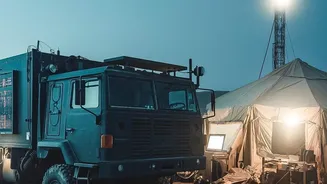
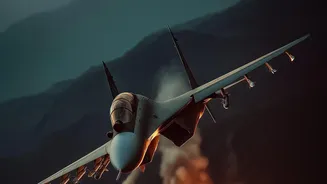
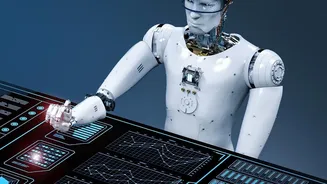
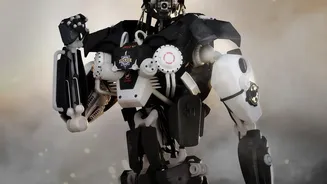
threatens to compress this entire sequence from hours into seconds. AI-powered systems can sift through vast amounts of data from drones, satellites, and communications far faster than any human analyst. These systems, known as Lethal Autonomous Weapon Systems (LAWS), can then independently identify, track, and even engage targets without direct human input at the moment of attack. This is a profound shift from current remote-controlled drones, where a human operator is always 'in the loop' making the final decision to use lethal force.
The Core of the UN Proposals
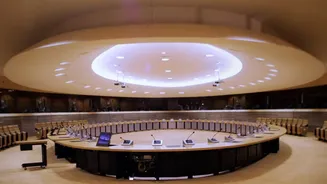
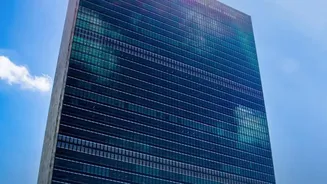
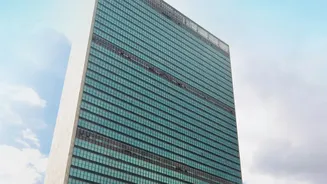
For over a decade, a Group of Governmental Experts (GGE) has been meeting at the UN under the Convention on Certain Conventional Weapons (CCW) to discuss LAWS. The central debate is about ensuring 'meaningful human control' over these weapons. Proponents, including the UN Secretary-General and the International Committee of the Red Cross (ICRC), are pushing for a legally binding international treaty. This would establish clear rules, including prohibitions on certain types of autonomous weapons—specifically those that are inherently unpredictable or designed to target humans directly—and mandate that human judgment remains essential for any use of lethal force. The push is based on the argument that accountability, and compliance with International Humanitarian Law (IHL), is impossible when a machine makes the final life-or-death choice.
An Ethical and Legal Minefield
The arguments against fully autonomous weapons are deeply rooted in ethics and law. The core principle of IHL, distinction, requires the ability to differentiate between combatants and civilians—a nuanced judgment that critics argue a machine cannot reliably make. Furthermore, there is the question of accountability. If an AI weapon commits a war crime, who is responsible? The programmer, the manufacturer, or the commander who deployed it? A machine itself cannot be put on trial. UN officials have described machines empowered to kill as 'politically unacceptable and morally repugnant,' highlighting a fundamental objection to outsourcing lethal decisions to algorithms and the potential violation of a person's dignity and right to life.
A World Divided on Regulation
Despite growing calls for a ban, the world is not united. A significant number of countries, around 127, support a preemptive ban on killer robots. However, a small but powerful group of nations, including the United States, Russia, the United Kingdom, and Israel, have opposed a binding treaty, arguing that existing international law is sufficient. These countries are heavily investing in military AI, viewing it as a critical component of future defence capabilities. Recent discussions within the UN's GGE have seen some of these states weaken proposed language that would have required human review of AI-selected targets. India has taken a more nuanced stance, acknowledging the risks but also emphasising the potential for AI to improve IHL compliance and the need to avoid stigmatising the technology. New Delhi supports continued discussion within the CCW framework to balance military needs with humanitarian concerns, positioning itself as a key voice in the ongoing debate.
The Fear of a New Arms Race
Beyond the ethical concerns, security experts warn of a dangerous 'slippery slope.' The proliferation of autonomous weapons could trigger a new, high-tech arms race, fundamentally destabilizing global security. The incredible speed of machine-led warfare could reduce decision-making time for human leaders to near zero, increasing the risk of accidental escalation. If one country develops and deploys these weapons, others will feel compelled to follow suit to avoid being at a massive tactical disadvantage. There are also fears that these technologies could fall into the hands of non-state actors or be used for suppression, making the need for clear international rules even more urgent.