






The Arrival of 'October Heat'
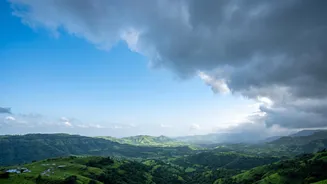
The most immediate change you will feel is in the air itself. The end of the monsoon doesn't mean an instant switch to cool, wintery weather. Instead, we enter a phase popularly known as 'October Heat'. As the monsoon trough weakens and cloud cover disappears,
clear skies allow for intense sunshine, causing daytime temperatures to rise. This, combined with the high amount of moisture left in the atmosphere and soil from the preceding rains, creates a uniquely uncomfortable hot and humid climate. This combination can feel more oppressive than the dry heat of summer because the high humidity prevents sweat from evaporating efficiently, making it harder for your body to cool down. This phenomenon is particularly noticeable across North India, Maharashtra, and Gujarat.
A New Set of Health Concerns
While the risk of water-borne diseases like cholera and jaundice may decrease with the rains, the post-monsoon period brings a new set of health advisories. The combination of humidity and stagnant water provides a perfect breeding ground for mosquitoes. Consequently, there is often a significant spike in vector-borne diseases such as dengue, malaria, and chikungunya. Dengue, in particular, is a major concern as the Aedes aegypti mosquito breeds in clean stagnant water found in coolers, flower pots, and other containers around homes. Additionally, the fluctuations in temperature between warm days and cooler nights can lead to a rise in viral fevers, colds, coughs, and other respiratory infections.
Easier Commutes and Post-Rainfall Repairs
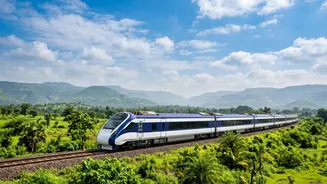
For daily commuters, the end of the rains means fewer waterlogged streets, reduced traffic snarls, and a generally smoother journey to and from work. Train and flight schedules, often disrupted by heavy rainfall, tend to return to normal. However, this is also the time when the damage inflicted by the monsoon becomes apparent. Potholes on roads are more visible and municipalities often undertake large-scale repair work, which can lead to temporary closures and diversions. It is also a critical time for homeowners to inspect their property for any dampness, leaks, or mould growth that developed during the wet season and address them before they become bigger problems.
A Shift in Wardrobe and Routines
It’s time to pack away the raincoats, gumboots, and umbrellas. As the humidity of October heat gives way to a more pleasant, dry climate towards November, lighter fabrics make a comeback. The oppressive heat means fans and air conditioners might still be in use during the day, but cooler nights signal the slow approach of winter. Outdoor activities, often put on hold during the monsoon, can be resumed. Parks, markets, and outdoor eateries become more accessible and enjoyable. This period also marks a change in diet for many, with a move away from the warm, fried snacks popular during the rain to lighter fare.
The Buzz of the Festival Season
The retreat of the monsoon coincides with the beginning of India's main festival season. The clearer, more pleasant weather is ideal for the outdoor celebrations, pandal-hopping, and shopping associated with major festivals like Navratri, Dussehra, and Diwali. The end of the rains removes the logistical challenges of organizing large public events and allows for the vibrant, open-air festivities that define this time of year across the country. This cultural shift brings a palpable sense of energy and celebration, marking a transition from the introspective mood of the monsoon to a more communal and festive spirit.