




Answering the Call of the Northeast
Arunachal Pradesh, the ‘Land of the Dawn-Lit Mountains’, remains one of India’s most enigmatic and untouched frontiers. For the adventurous soul, its allure is magnetic. The region is crisscrossed by powerful rivers like the Siang, Lohit, Dibang, and Subansiri,
which nurture life in secluded valleys. Dotted along their banks are picturesque villages, home to diverse indigenous communities, where traditions are woven into the fabric of daily life. The idea of exploring this landscape solo, particularly as a woman, can seem daunting. Yet, it represents a unique opportunity for self-discovery, connection with nature, and a deep dive into a culture far removed from the urban hustle. The journey begins not with a flight ticket, but with the decision to trade well-trodden paths for the promise of suspension bridges, misty mornings, and the unparalleled hospitality of the Arunachali people.
Your Digital Compass and Its Limits
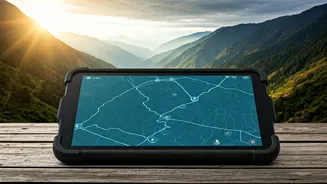
The phrase ‘digital maps’ might evoke an image of seamless, turn-by-turn navigation. In Arunachal, the reality is more nuanced and requires smart preparation. While Google Maps and other apps are invaluable tools for planning your macro-route between towns like Ziro, Daporijo, Pasighat, and Mechuka, they are not infallible. Mobile connectivity is notoriously spotty and often non-existent once you leave major hubs. The key is to embrace offline mapping. Before your trip, download detailed offline maps of the entire state or the specific districts you plan to visit. This turns your phone into a reliable GPS device that works without a signal. A robust power bank isn't a luxury; it's essential equipment. However, technology is only half the solution. Your digital map can show you a path, but it can’t tell you about a recent landslide or a bridge washed away in the monsoon. Your best guide will always be a combination of digital foresight and human connection.
Villages Whispering by the Water
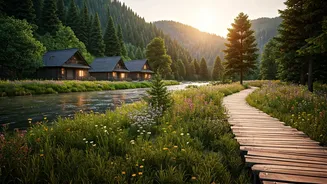
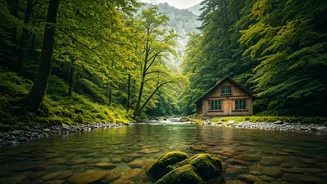
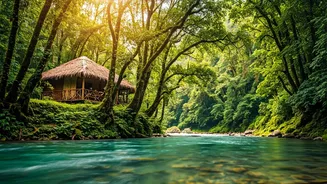
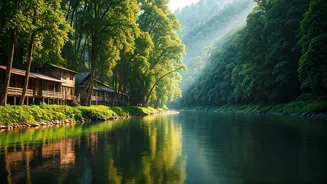
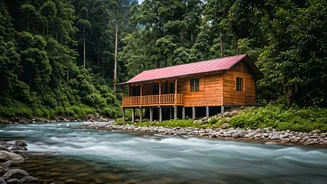
The true magic of an Arunachal trip unfolds in its riverside settlements. Along the Siang River, near the town of Pasighat, you’ll find villages of the Adi people, with their iconic bamboo and cane stilt houses (known as ‘chang ghars’) built to withstand the river's moods. Further afield, the journey to Mechuka in the Shi-Yomi district is an adventure in itself, revealing a stunning valley where the Yargyapchu River (the local name for the Siang) flows gently. Here, you can find the Memba tribe and walk across swaying suspension bridges that connect communities. In the Dibang Valley, the Idu Mishmi people reside in traditional homes, and the landscape feels primal and profoundly beautiful. Each village offers a unique glimpse into a resilient way of life. The best approach is to establish a base in a larger town and make day trips, or arrange a homestay for a more immersive experience. This is where you put the phone away and simply observe, listen, and learn.
Navigating Safety and Logistics Solo
The ‘solo female traveler’ label often comes with a host of safety concerns, but Arunachal Pradesh is widely regarded as one of the safer states in India for women. The local culture is generally respectful and helpful, and travelers are often met with curiosity and warmth. That said, standard safety precautions apply: inform someone of your itinerary, avoid traveling after dark in remote stretches, and trust your intuition. The most critical piece of logistics is the Inner Line Permit (ILP), a mandatory document for all domestic tourists entering the state. You can apply for it online or through designated offices in cities like Delhi, Kolkata, and Guwahati. It's a straightforward process but must be done in advance. Traveling solo allows for flexibility, but having your permits, accommodation for the first few nights, and a rough plan mapped out provides a crucial safety net before you venture into the wild.
Beyond the Map: The Human Element
Ultimately, a journey through Arunachal is defined by the moments that no map can predict. It’s the shared cup of ‘apong’ (local rice beer) with a homestay owner, the group of children who excitedly guide you to the best viewpoint, or the driver who becomes an impromptu storyteller, sharing folklore about the mountains and rivers you pass. Your digital map might get you to a village, but asking a local for directions will open a conversation. Technology is the tool that gives you the confidence to start the journey, but it’s the human connections that create the memories. Be prepared to smile, learn a few words in the local dialect if you can, and embrace the spontaneous detours. Sometimes the most beautiful destinations are the ones that were never marked on your screen.