



Understanding the Two Types of Iron
Iron is a vital mineral that our bodies use to create haemoglobin, the protein in red blood cells responsible for carrying oxygen. Without enough iron, we can feel tired, weak, and develop iron-deficiency anaemia, a widespread health concern in India.
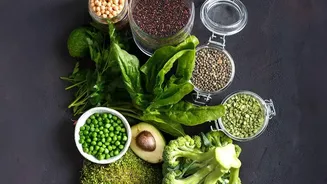
Dietary iron comes in two forms: heme and non-heme. Heme iron is found in animal products like meat, poultry, and fish. It is highly bioavailable, meaning our bodies can absorb it very easily. Non-heme iron, on the other hand, comes from plant-based sources. This includes leafy greens like spinach (palak), lentils (dal), chickpeas (chana), beans (rajma), millets, and fortified grains — all staples of the Indian diet. The challenge with non-heme iron is that it is harder for our bodies to absorb. Estimates show that while up to 35% of heme iron is absorbed, the absorption rate for non-heme iron can be as low as 2%.
The Power of Vitamin C
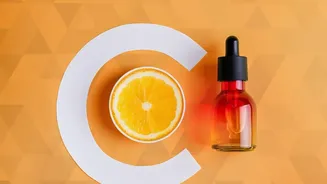
This is where Vitamin C, or ascorbic acid, becomes a nutritional hero. It is the most powerful known enhancer of non-heme iron absorption. The science is straightforward: non-heme iron from plants is in a form called ferric iron (Fe3+). Our intestines can more readily absorb iron in a different form, called ferrous iron (Fe2+). Vitamin C acts as a reducing agent, converting the ferric iron into the more absorbable ferrous form right in your gut. It also helps by forming a soluble complex with the iron, which keeps it from binding with other dietary inhibitors. Research has shown that adding Vitamin C to a meal can dramatically boost non-heme iron absorption. While the headline's claim of 'doubling' is a good rule of thumb, some studies suggest that as little as 25-50 mg of Vitamin C in a meal can increase absorption by two to seven times, depending on what else is in the meal.
Your Guide to Smart Food Pairing
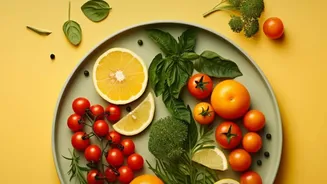
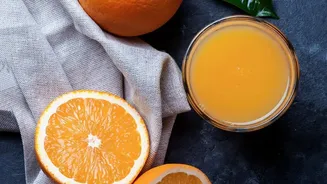
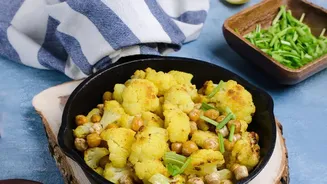
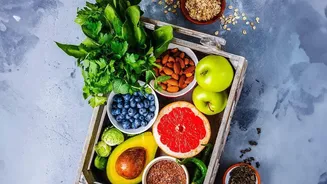
Making this science work for you is simple and delicious. The key is to combine your plant-based iron sources with a food rich in Vitamin C in the same meal. For an Indian kitchen, the possibilities are endless and often traditional. Squeeze lemon juice over your dal, spinach sabzi, or bean salad. The acidity not only brightens the flavour but unlocks the iron within. Incorporate tomatoes into your cooking; a simple tomato chutney or adding chopped tomatoes to a chickpea curry can significantly improve iron uptake. Pair a bowl of lentils or rajma with a side of sliced bell peppers (capsicum). Enjoy a small glass of fresh orange or amla juice with your breakfast of poha or a millet-based dish. Even a simple kachumber salad with tomatoes, onions, and cucumber alongside your main meal contributes valuable Vitamin C. The goal is to make these pairings a consistent habit.
Beyond Just Citrus
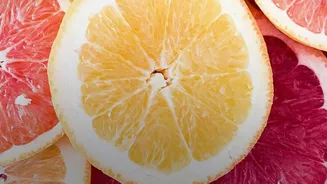
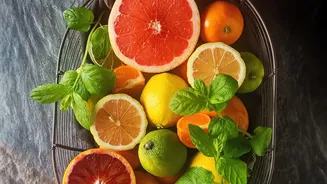
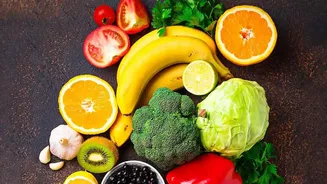
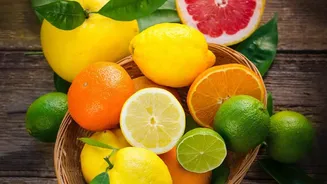
While citrus fruits like lemons, oranges, and limes are excellent and readily available sources of Vitamin C, many other fruits and vegetables are just as potent. Broaden your options to ensure you are consistently getting enough. Great sources include amla (Indian gooseberry), guava, bell peppers (especially red and yellow), broccoli, strawberries, kiwi, and papaya. By including a variety of these colourful foods in your diet, you not only boost iron absorption but also gain a wealth of other vitamins, minerals, and antioxidants essential for overall health. Remember, the more Vitamin C present in the meal, the greater the enhancement of iron absorption.
Watch Out for Iron Blockers
Just as some foods help, others can hinder iron absorption. It is wise to be aware of these 'iron inhibitors' and time your meals accordingly. The most common culprits are tannins found in tea and coffee, and phytates present in whole grains, nuts, and legumes. Calcium from dairy products can also compete with both heme and non-heme iron absorption. This does not mean you must avoid these foods entirely. Instead, try to consume them separately from your main iron-rich meals. For example, wait at least one to two hours after an iron-rich lunch or dinner before having your daily cup of chai or coffee. Soaking legumes and grains before cooking can also help reduce their phytate content, further improving nutrient availability.