
The New Real Estate Hotspots
Look at a map of new construction in Delhi NCR, and a clear pattern emerges. The growth isn't uniform; it’s clustered. A significant portion of new housing investment and project launches are happening in a few key zones. Within Delhi, redevelopment projects
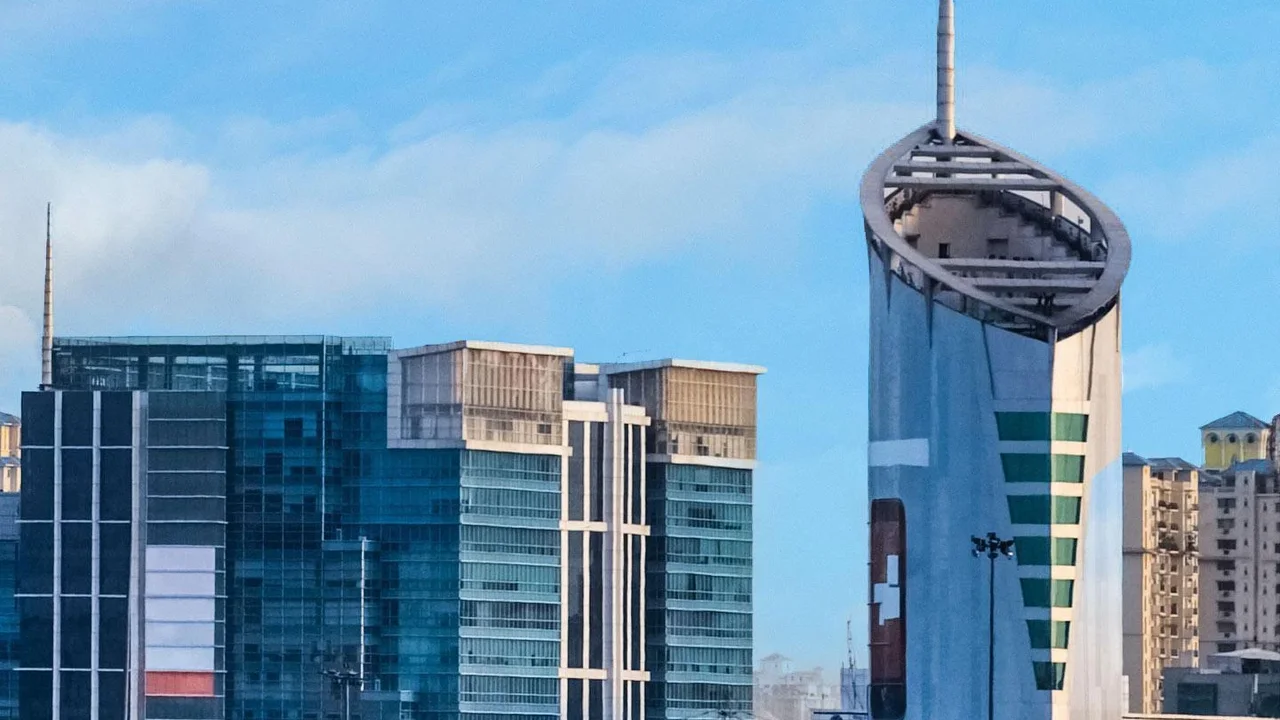
are turning older, low-rise areas like Moti Nagar, Kirti Nagar, and Patel Nagar into high-rise hubs. Meanwhile, peripheral areas like the Dwarka sectors and Rohini are seeing new communities built from the ground up. However, the most intense concentration is found just outside the city’s official border, particularly in Gurugram. Corridors along the newly developed Dwarka Expressway have become the definitive centre of gravity for new launches. Together with other premium zones in Noida, such as Sectors 150 and 146, these areas are attracting the lion's share of developer interest and investment capital.
Infrastructure and Policy: The Twin Engines of Growth
This concentration is not happening by accident. It is being fuelled by two powerful forces: massive infrastructure upgrades and deliberate policy shifts. Mega-projects like the Dwarka Expressway, the Delhi-Mumbai Expressway, and expanding metro networks have unlocked new land parcels and dramatically improved connectivity, making these once-distant areas attractive. Developers are leveraging this by building along these new transit arteries. Simultaneously, government policy is channelling development towards the urban fringe. The Delhi Development Authority's (DDA) Land Pooling Policy, which allows landowners in designated urban extension areas to pool their holdings for planned development, is a key driver. Recent changes in the Master Plan for Delhi 2047 aim to accelerate this by introducing Town Planning Schemes and easing rules, effectively creating new geographies for large-scale real estate development.
The Rise of the Premium Segment
Another defining feature of this trend is a decisive shift towards premium and luxury housing. The market is increasingly pivoting away from affordable, volume-driven projects to value-driven, high-end supply. In the first quarter of 2026, apartments priced above Rs 1 crore accounted for a staggering 71% of total sales nationally, a trend strongly reflected in NCR. This is driven by rising incomes, lifestyle changes, and a strong buyer preference for larger homes with better amenities. Developers, including major national players who have significantly increased their presence in NCR, are catering to this demand. The result is that most new projects, particularly in hotspots like Gurugram and parts of Noida, are targeting affluent, lifestyle-oriented homebuyers. While this meets a clear market demand, it leaves a significant gap in the supply of affordable and mid-segment housing.
A Widening Divide and Strained Services
The consequences of this lopsided growth are far-reaching. Firstly, it risks creating a more fragmented and unequal city. As new, modern, and expensive housing clusters in the periphery, it deepens the divide between these areas and the older, under-serviced parts of the city. While affordability has shown signs of stabilising as income growth catches up with property prices, the intense demand in hotspots continues to push up rates. Secondly, concentrating thousands of new residents in a few zones places immense pressure on local infrastructure. While these developments are often planned with amenities, the rapid influx can strain essential services like water supply, electricity grids, and local transport networks before the supporting public infrastructure is fully in place. This can lead to bottlenecks and a diminished quality of life, the very thing new homebuyers are seeking to improve.
The Future: A Question of Balance
The current trend represents a critical juncture for Delhi's urban future. While the creation of planned, modern housing is necessary to accommodate a growing population, the concentration of this development brings challenges. Core Delhi has largely faded from the new investment map, and many government-built houses in peripheral areas have historically remained unoccupied due to poor connectivity and a lack of local economic opportunities. The success of the new Master Plan and the Land Pooling Policy will depend not just on building new homes, but on creating truly integrated communities with jobs, services, and seamless connectivity to the rest of the city. Without a more balanced approach that ensures inclusive growth across different price points and geographic areas, Delhi risks becoming a city of isolated, self-contained islands rather than a cohesive, interconnected metropolis.