





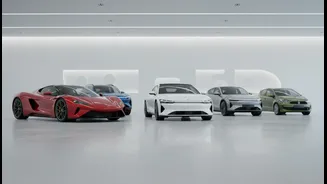


The Trickle-Down Tech Revolution
The most significant shift in the Indian auto market is the 'democratisation' of technology. Features that once defined premium cars are now appearing in mid-range variants of popular SUVs and hatchbacks. Automakers like Hyundai, Kia, Tata, and Mahindra
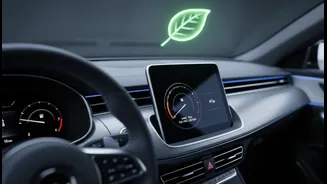
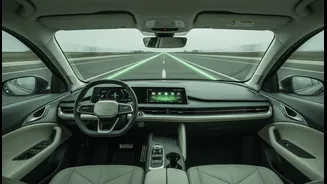
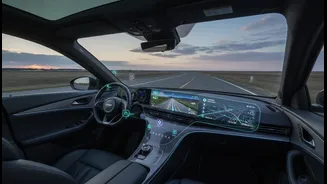
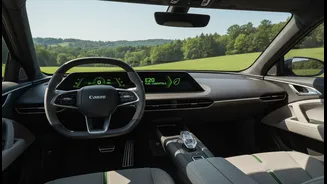
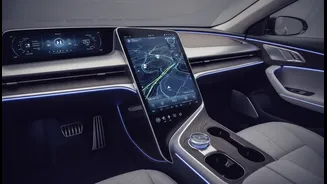
are locked in a fierce battle for market share, and cabin technology has become a key weapon. Large, tablet-style infotainment screens, connected car technology with smartphone integration, and premium sound systems are no longer exclusive. Even Advanced Driver-Assistance Systems (ADAS)—a suite of safety features including adaptive cruise control and automatic emergency braking—are now available in cars costing well under ₹20 lakh. Models like the Honda City, MG Astor, and Mahindra XUV 3XO now offer ADAS, bringing high-end safety to the mainstream.
Meet the New Buyer: Young, Tech-Savvy, and Aspirational
The driving force behind this change is the young Indian buyer. For this generation, a car is not just a mode of transport; it’s a connected gadget and a lifestyle statement. Having grown up with smartphones, they expect seamless digital integration in every aspect of their lives, including their vehicles. Automakers have recognised that for these customers, the user interface and feature list are as important as mileage or engine power. Features like remote lock/unlock, live vehicle tracking, and over-the-air (OTA) software updates, once unthinkable in this segment, are now major selling points. This tech-first mindset has forced manufacturers to innovate, packing more value and features into every vehicle to capture this influential demographic.
Making Premium Affordable: Smart Manufacturing and Variant Strategy
So how do carmakers afford to offer these features without inflating prices? The answer lies in platform sharing and economies of scale. By using the same fundamental architecture and components across multiple models, manufacturers can drastically reduce development and production costs. This allows them to absorb the cost of high-end electronics. Furthermore, they employ clever variant strategies. Instead of restricting premium features to the absolute top-end model, they create specific mid-range variants that bundle the most desirable tech features. This makes a panoramic sunroof or a large touchscreen accessible to a wider audience who may not need or want the most powerful engine or other expensive additions. Tata, for instance, has successfully brought connected car tech down to its entry-level models like the Punch and Tiago.
The E20 Factor and Flexible Financing
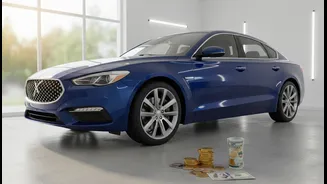
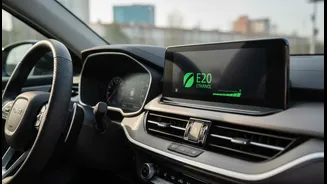
The government's mandate for E20-compliant engines (compatible with 20% ethanol-blended petrol) from 2023 onwards has also played a role. As manufacturers rolled out updated models to meet these new emission norms, they used the opportunity for a complete product refresh. These new launches often came with revamped interiors and longer feature lists to make them more attractive to buyers. On the financing front, the landscape has changed dramatically. Banks and NBFCs are offering longer loan tenures and more flexible EMI options, making it easier for young professionals to stretch their budgets. Increased digitisation in the lending process has simplified loan applications and approvals. This accessibility of credit allows buyers to opt for a higher, more feature-rich variant of their chosen car, effectively bringing premium technology within their financial reach.