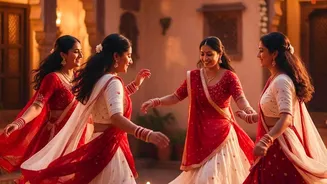







Reframe 'Exercise' as 'Play'
The first step is a mental shift. Instead of viewing physical activity as a chore to be squeezed in, integrate it into the fun. Festive seasons are a time for connection, and shared activities strengthen family bonds far more than a solo gym session.
When children see parents prioritising joyful movement, they absorb it as a natural part of a happy life, setting them up with healthy habits. Think of it as creating memories that also happen to get your heart rate up. A family dance-off to your favourite Bollywood tracks or a competitive game in the garden can be more effective and sustainable than a rigid workout schedule.
Revive Traditional Indian Games
Many traditional Indian games are inherently active and perfect for family gatherings. These games don't require special equipment and can be adapted for all ages. Consider a game of Kho-Kho in the local park, a sport with roots in Maharashtra that is a fantastic full-body workout. Or, clear the living room for a game of Kabaddi, a traditional sport that builds strength and stamina. Simpler games like 'Stapoo' (Hopscotch) or even a lively game of Antakshari, which can involve dancing and dramatic gestures, bring laughter and light-hearted movement into the home.
Turn Festive Prep into a Workout
The preparations for a festival are a workout in disguise. Turn pre-Diwali cleaning or setting up decorations into a family mission. Put on some music and tackle the tasks together with intention. Vigorous cleaning, carrying items, and climbing ladders to hang lights all count as physical activity. Even a shopping trip to the market can be an opportunity for movement; park further away or take a brisk walk through the bustling bazaar to soak in the festive atmosphere while getting your steps in. These activities are necessary, but framing them as a shared effort makes them more enjoyable and physically rewarding.
Embrace the 'Movement Snack'
Consistency during the holidays is not about hour-long workouts; it's about avoiding long stretches of inactivity. Introduce the concept of a 'movement snack'—short, 10-to-15-minute bursts of activity throughout the day. This could be a quick round of stretching in the morning, a few sets of squats while waiting for tea to brew, or a brisk walk around the block after a meal. Research shows that these small, consistent efforts can significantly impact overall health and help counterbalance festive indulgence. They are easier to fit into a chaotic schedule and keep your metabolism engaged.
Start a Tradition of Festive Walks
One of the simplest yet most effective ways to stay active is by walking. Start a new family tradition of a post-feast walk. After a big festive lunch, instead of immediately settling down for a nap, get everyone together for a leisurely stroll. This not only aids digestion but also provides a wonderful opportunity to chat and connect away from the distractions at home. During festivals like Diwali or Christmas, this can become a 'decoration walk', where the family explores the neighbourhood to admire the lights and festive displays, adding a sense of purpose and wonder to the activity.