

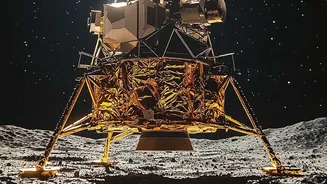
The New Moon Rush
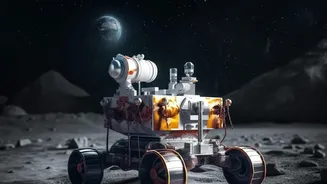
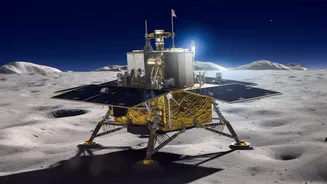
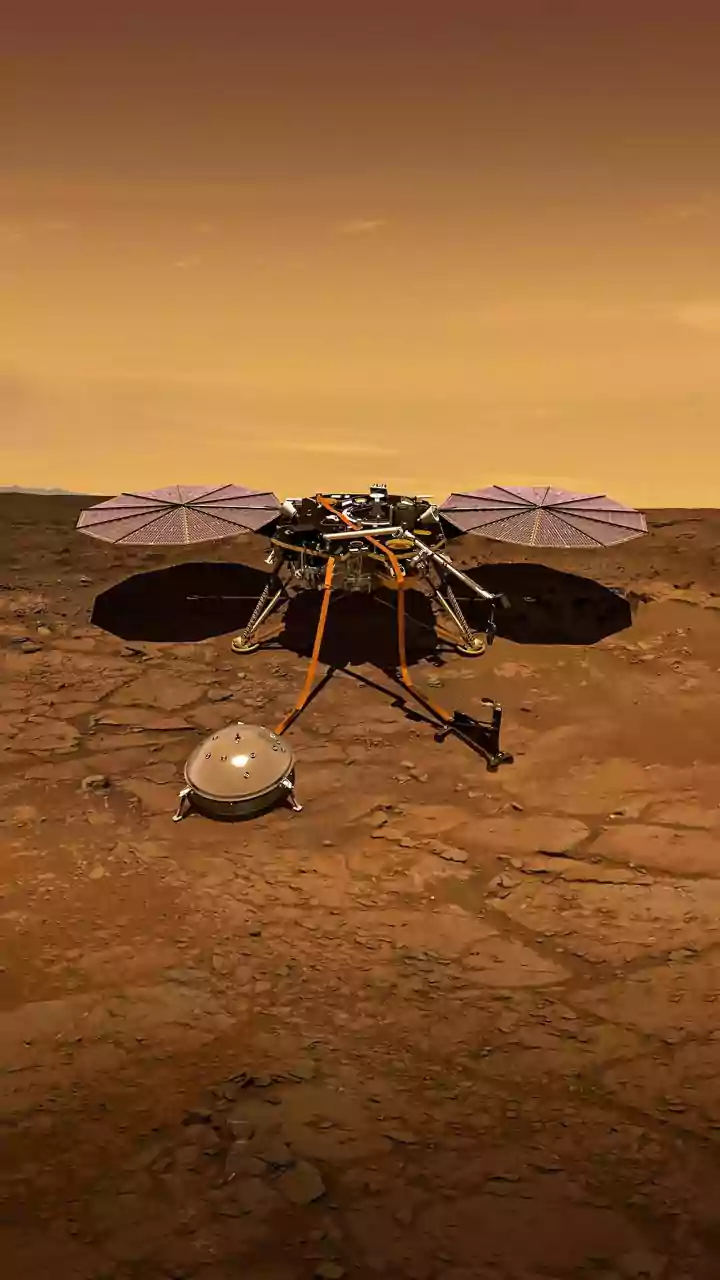
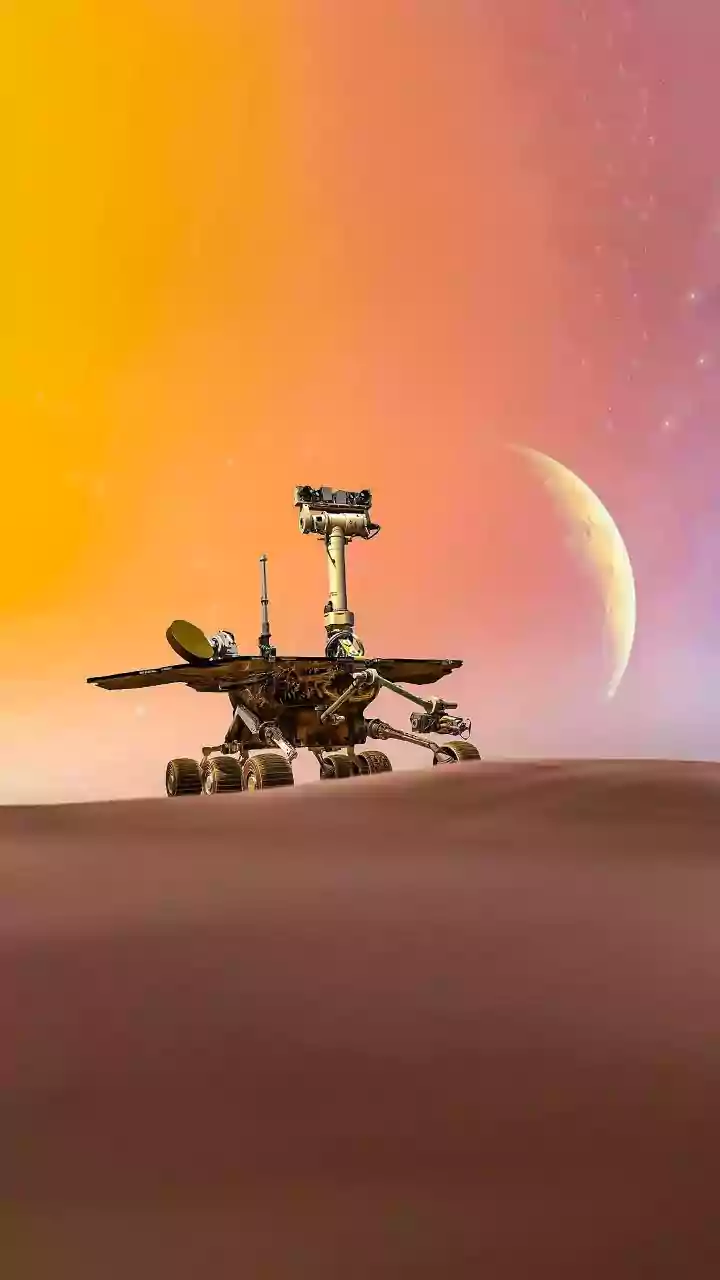
For the first time since the Apollo era ended, the Moon is a bustling destination. The Artemis program aims to establish a long-term human presence, while private companies are launching their own landers and rovers. This surge in activity, involving
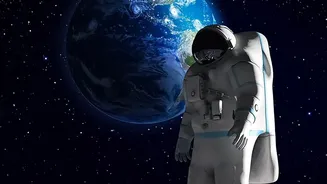
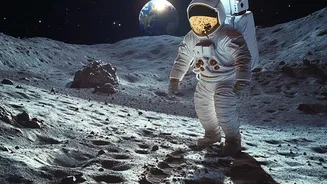
more missions and more hardware from more nations and corporations than ever before, represents a major shift. It's the dawn of a potential lunar economy, but it also increases the statistical probability of what scientists call "forward contamination"—the transfer of terrestrial life to another celestial body. Every launch, every landing, and every astronaut bootprint carries the risk of introducing Earth's most resilient residents: our microbes.
A Question of Survival
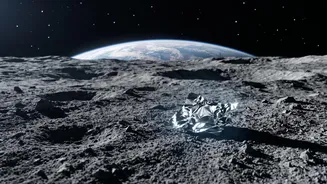
The lunar surface is one of the most hostile environments imaginable. It has no atmosphere, experiences extreme temperature swings from 120°C in sunlight to -173°C in darkness, and is bombarded by intense ultraviolet and cosmic radiation. For decades, these conditions were thought to be a perfect sterilization chamber. However, a recent NASA study published in August 2026 suggests a different reality. Researchers found that certain hardy microbes, the kind that inevitably travel with astronauts and their equipment, could potentially survive in specific lunar locations. The key lies in the shadows. The Moon's poles contain permanently shadowed regions (PSRs) inside craters that haven't seen sunlight in billions of years. These areas are shielded from radiation and maintain stable, ultra-cold temperatures. A recent NASA-led study published in Science Advances modeled these environments and found that some microbes could persist.
Not Thriving, But Surviving
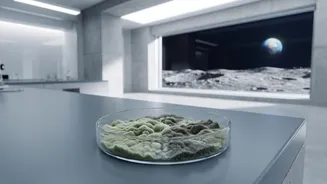
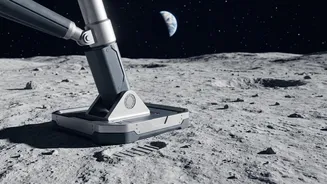
The NASA study makes a crucial distinction: microbes might survive, but they are unlikely to thrive, grow, or reproduce. The Moon lacks the key ingredients for active life, most notably liquid water. Instead, organisms would enter a dormant state called cryptobiosis, essentially hitting pause until conditions improve. The research modeled the resilience of five common human-associated microbes and found that fungi like Aspergillus niger (a type of black mold) were surprisingly tough, with some even able to withstand limited exposure to sunlight outside the deepest shadows. Even a simple bootprint or rover track could create a small, shadowed niche just protected enough for a microbe to survive. While they wouldn't be spreading, their mere presence—dead or alive—creates a significant problem.
The Risk to Science
The primary concern is scientific contamination. Scientists hope to study the pristine lunar environment, especially the ice in permanently shadowed regions, for clues about the formation of the solar system and even the origins of life on Earth. If these areas become contaminated with terrestrial microbes, it could become incredibly difficult for future researchers to distinguish between what is genuinely lunar and what was brought from Earth. As one NASA organic geochemist involved in the study noted, researchers must work hard to characterize the Moon's chemistry before our visits change what we find. This isn't just a lunar problem; it's a dress rehearsal for Mars, where the search for extraterrestrial life could be irrevocably compromised by microbial stowaways from Earth.
A Challenge for a New Space Age
For decades, planetary protection policies, guided by the international Committee on Space Research (COSPAR), have treated most of the Moon with minimal concern for forward contamination. However, the focus on the resource-rich and scientifically valuable polar regions has changed the equation. These areas now require missions to document their organic inventory. The challenge is enforcing these guidelines in an era of rapid commercialization and international competition. While robotic missions can be sterilized, human explorers cannot. We carry millions of microbes on every patch of skin. This means that tracking what we bring is just as important as trying to clean it up, ensuring that the next generation of lunar scientists knows exactly what they're looking at.