




Humanity's Return to the Moon
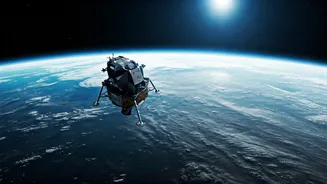
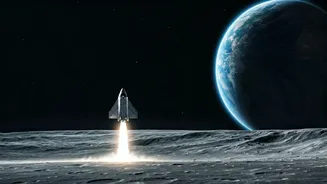
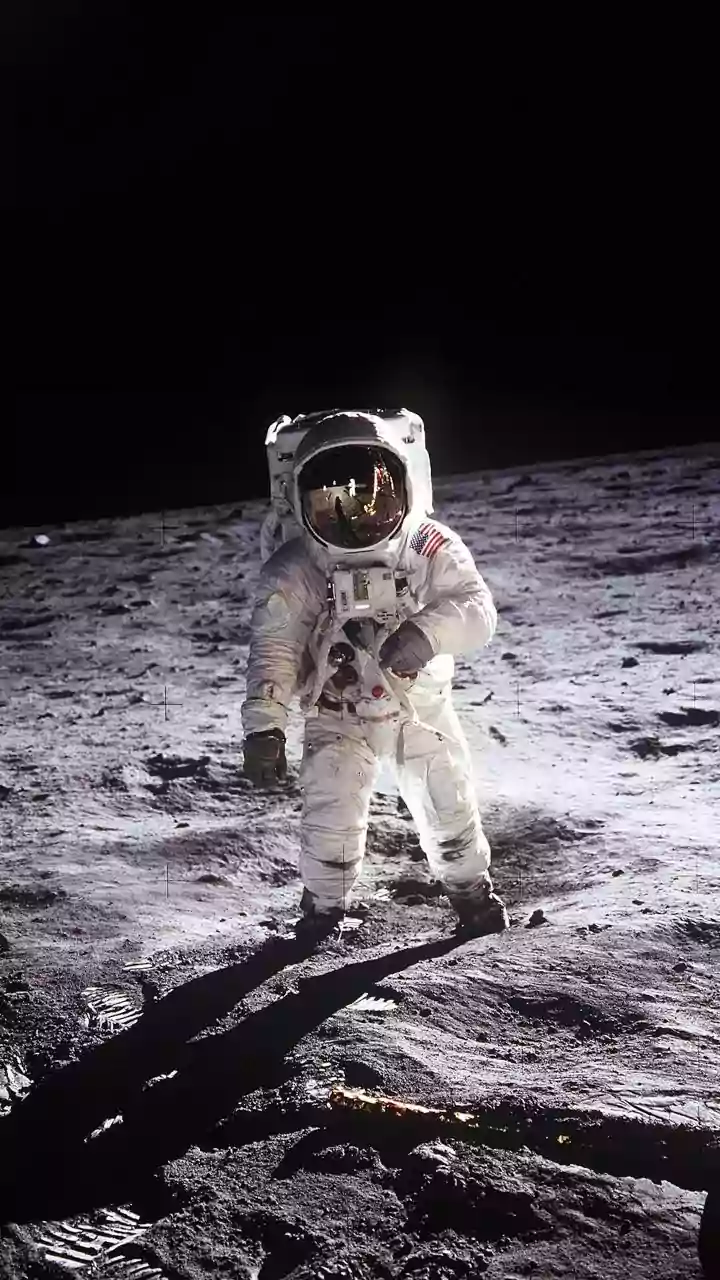
The centerpiece of 2026 is undoubtedly NASA's Artemis II mission, which will send four astronauts on a flight around the Moon for the first time in over 50 years. [18, 19] This 10-day journey, launching as early as April, will test the Orion spacecraft's
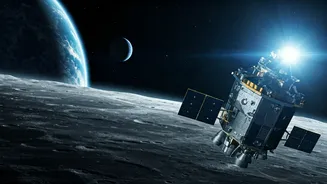
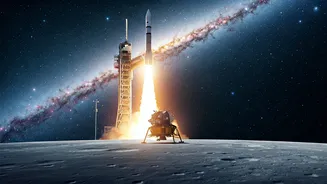
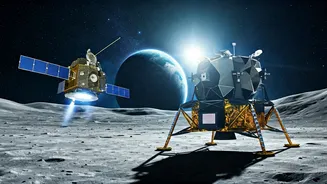
deep-space capabilities with a crew on board, paving the way for future lunar landings. [18, 21, 22] While the Artemis crew won't land, their mission marks a profound step in humanity's return to deep space. [19] But NASA isn't the only one with lunar ambitions. China is also targeting the Moon's south pole with its robotic Chang'e 7 mission, which includes a lander, rover, and an innovative 'hopper' designed to explore permanently shadowed craters for signs of water ice. [2, 3, 18] The private sector is also a major player, with companies like Blue Origin, Intuitive Machines, and Firefly Aerospace planning to send robotic landers to the Moon, some of which will land on the far side—a feat only China has accomplished so far. [2, 11]
A Flotilla Headed for Mars
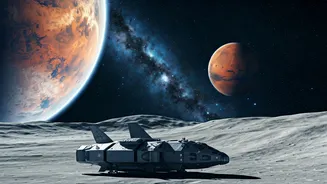
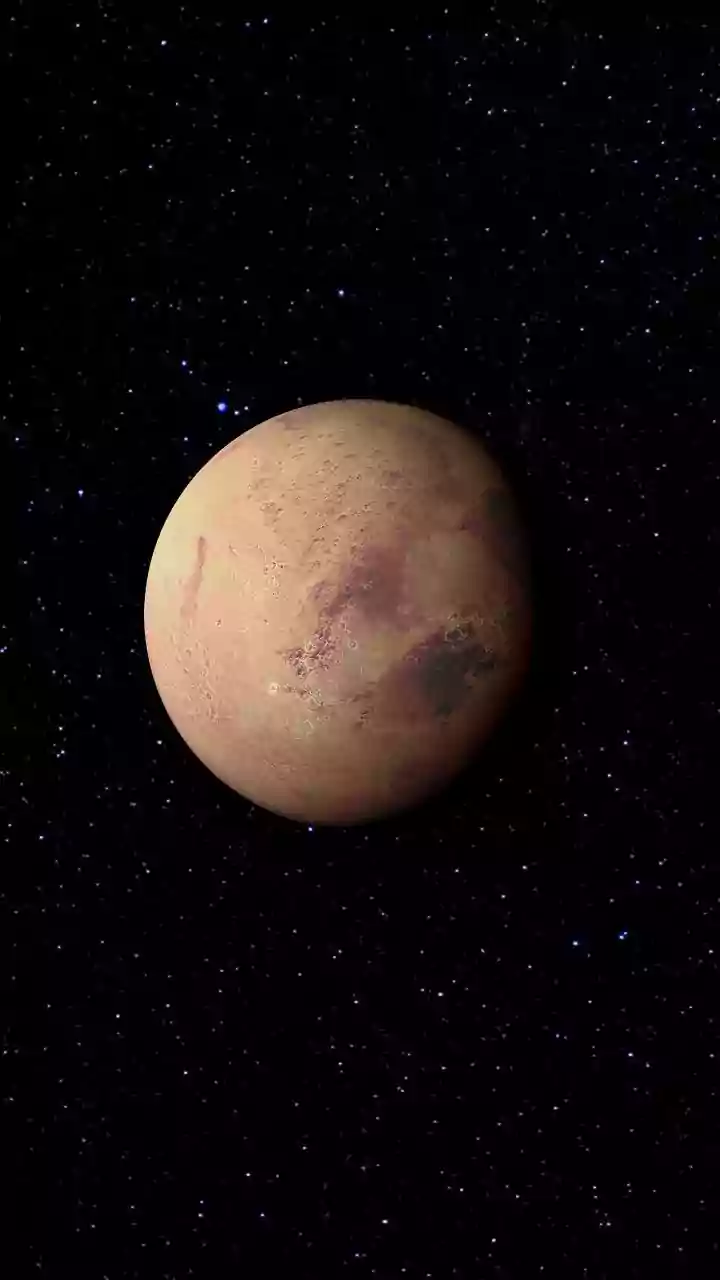
While the Moon is getting a lot of attention, the Red Planet isn't being ignored. Japan's ambitious Martian Moons eXploration (MMX) mission is slated to launch in late 2026. [3, 8] It aims to orbit both of Mars's moons, Phobos and Deimos, before landing on Phobos to collect a sample for return to Earth. [3, 18] This would be the first time material is brought back from the Martian system, potentially answering longstanding questions about how the moons were formed. [3, 6, 18] Meanwhile, NASA’s twin ESCAPADE spacecraft will perform an Earth gravity assist in November 2026 to send them on their way to Mars. [6, 8] The mission will study how the solar wind strips away the Martian atmosphere, helping scientists understand how the planet lost its water and became the desert world it is today. [20] Although SpaceX announced a delay in its Mars ambitions to focus on lunar missions for NASA, the groundwork for future exploration continues. [6, 13]
To Asteroids and the Outer Solar System
The year's ambitions stretch far beyond the Moon and Mars. In November 2026, after a long journey, the joint European-Japanese BepiColombo mission is expected to finally enter orbit around Mercury, the solar system's most overlooked rocky planet. [2, 3] The mission consists of two orbiters that will work together to map and study the planet closest to the Sun. [3] Asteroids are also a key focus. The ESA’s Hera mission is scheduled to arrive at the Didymos asteroid system to survey the results of NASA's DART impact from 2022, a crucial step in learning how to defend Earth from potential asteroid threats. [2, 3, 8] Furthermore, China's Tianwen-2 mission will be reaching its target asteroid to begin close-up observation and prepare for a sample return. [2, 4, 5]
A New Era in Orbit and Beyond
Closer to home, 2026 marks a turning point for commercial activity in low-Earth orbit. With the International Space Station (ISS) aging, a new generation of private space stations is set to take its place. [17] California-based startup Vast plans to launch Haven-1, potentially the world's first commercial space station, as early as May 2026. [2, 17, 19] New, powerful telescopes are also coming online. NASA’s Nancy Grace Roman Space Telescope, launching in late 2026, will have a field of view 100 times larger than Hubble's, enabling it to map billions of galaxies and discover thousands of exoplanets. [18] China is also launching its Xuntian space telescope, which will co-orbit with its Tiangong space station and survey vast swathes of the sky. [2, 18] These instruments will reshape our understanding of the cosmos on the grandest scales.